
Table of Contents
Introduction
If you are just embarking on your fitness journey, it may be daunting—even more so when faced with decisions on where and how to begin. Many people find themselves at this crossroads with little direction in terms of what to do.
There is good news, however. Calisthenics workouts are just the thing for people at this impasse. Calisthenics workouts are completed with one’s body weight instead of using weights or any other heavy machinery.
Unlike what most gyms offer, calisthenics workouts involve natural movement patterns such as pushing, pulling, squatting, and jumping.
For this reason, calisthenics workouts is perfect for functional fitness, where exercises done will have direct impacts on your personal daily mobility and strength gains. Combining those exercises with basic bodybuilding workouts will give you even better results.
A vegan living is one where you may ask yourself how you can get protein so you can recover muscles. Relax, because this article will be useful for learning protein found in a vegan living. You will know by finishing this article how you can train using calisthenics, gym work, and a vegan diet routine successfully.
So, let’s dive right in and see how a calisthenics workouts routine for newbies can change your life.
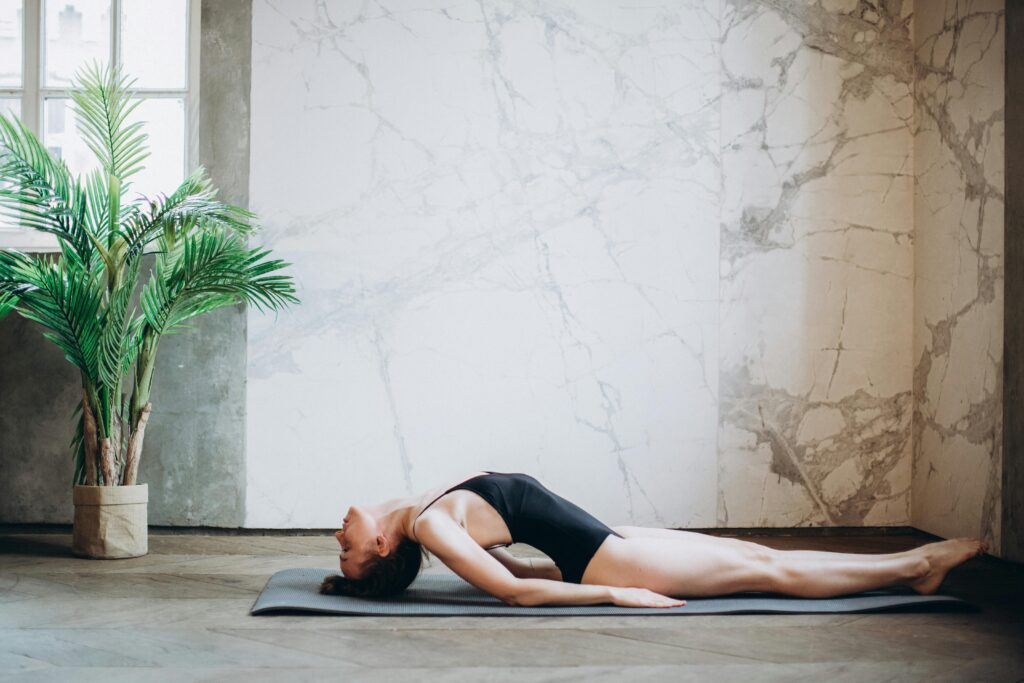
Calisthenics workouts Routines For beginners
Calisthenics is a weight-training method that involves using the physical weight of the body as resistance. You can think of push-ups, squats, planks, and pull-ups, and all these can be done anywhere, without the need for any costly gym membership or heavy machinery. For beginners, calisthenics workouts is an effective and safe method of strength and confidence-building.
A History of Calisthenics
The origin of calisthenics is Greek and is composed of kallos, which means beauty, and sthenos, which means strength. This exercise technique dates back and was originally practiced by soldiers and athletes as training for building agility. Nowadays, it is practiced as one of the effective exercise techniques because it promotes lean muscle growth.
Why Calisthenics workouts Is Perfect for Beginners
No Equipment Needed: You don’t need any equipment to start this exercise; just choose any place, like your
Low Injury Risk – Body weight resistance is very low on joints.
Progressive Difficulty: You can readily adapt exercises according to your ability.
Functional Fitness: It is functional because the strength developed in this system can be utilized
This calisthenics workouts routine for beginners offers the ultimate benefits for those stepping into the world of body exercise, as it offers the best of both worlds: strength training and mobility exercises that
Common Myths About Calisthenics
“You cannot develop muscle with calisthenics.”
Not true! With progressive overload, such as by adding reps, sets, or variations, tremendous muscle mass can be built.
“It’s too easy for serious athletes.”
Not true—advanced calisthenics workouts involves exercises such as planches and muscle ups, which demand immense control.
‘You need a gym for results.’
You and your body are the gym. Just do everything with proper technique.
Minimal Equipment To Get Started
Calisthenics may need almost no equipment, but there are a number of things that can help improve the experience:
- Pull up bar
- Resistance bands
- Yoga mat
- Parallel bars (dip station)
“With these needs met, a beginner calisthenics workouts routine becomes more varied and complex.”
With these necessities, “your calisthenics
Benefits of Calisthenics workouts Routine
calisthenics is an exercise system that is rich in health and wellness advantages hence ideal for individuals who are interested in health and wellness.
- Gain Muscle Power Naturally
You rely on your personal body weight for strength. For example, push-ups will tone your chest, shoulders, and arms, while squats will tone your leg and buttocks. With consistent effort, your core strength and position will significantly improve.
- Improve Flexibility And Mobility
Unlike weightlifting, calisthenics workouts training promotes full range movement. Lunges, plank exercises, and yoga-style presses are effective in increasing the flexibility of muscles by lengthening them.
- Increase Endurance and Heart Health
Calisthenics with high repetitions such as burpees or mountain climbers also increase heart rate, allowing for improved cardio even without doing long-distance running.
- Improve Coordination & Balance
Since you are always working to keep your body stable, the activities involved in calisthenics workouts improve your sense of balance and coordination, both essential elements of being physically fit.
- Accessible and Cost-
There’s no need for gym memberships or any expensive equipment. Anyone and everyone can train whenever and wherever they like.
Calisthenics promotes the values of patience, focus, and consistency. Every little bit of progress—performing one more push-up, holding a plank position a little
By keeping the focus on the calisthenic exercise for beginners, you will not only witness the change in the body, but you will also experience the transformation in your mind.
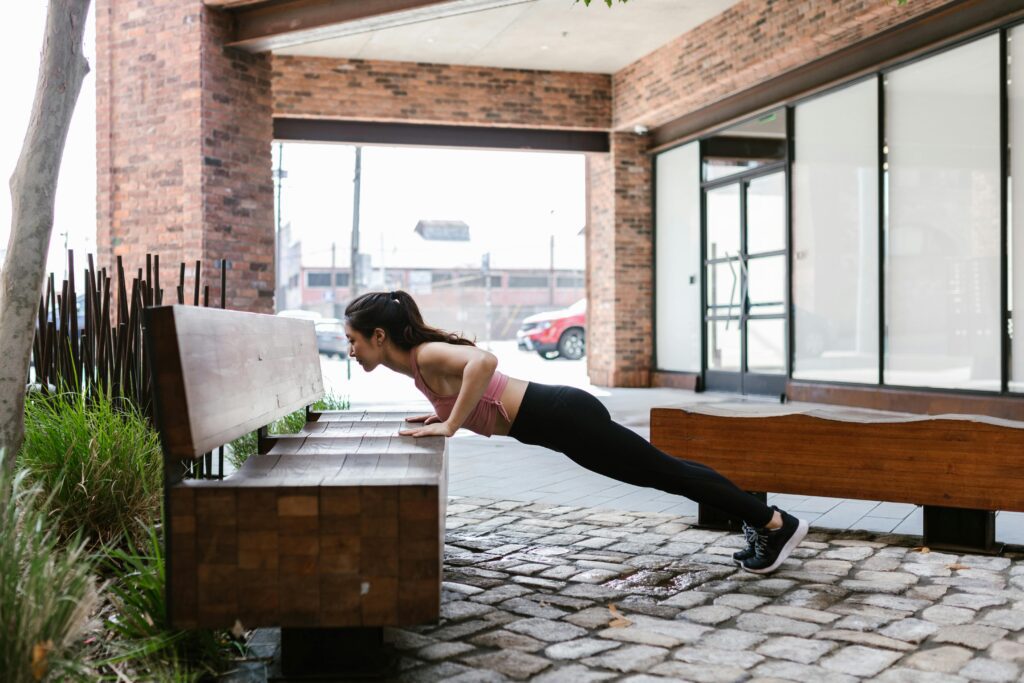
10 Calisthenics workouts Routines That Work Well
Let’s examine a list of ten easy yet effective body-building exercises you can learn to boost your endurance, power, and flexibility. These basic exercises represent a foundation of any beginner calisthenics workouts routine.
- Jumping Jacks – Essential to
Begin with 2 sets, 30 seconds each. This exercise gets your heart rate up, warms up your muscles, and gets you ready for more intense activity.
Pro Tip: Keep your pace smooth and soft on your landing.
- Push-Ups (Upper Body Strength
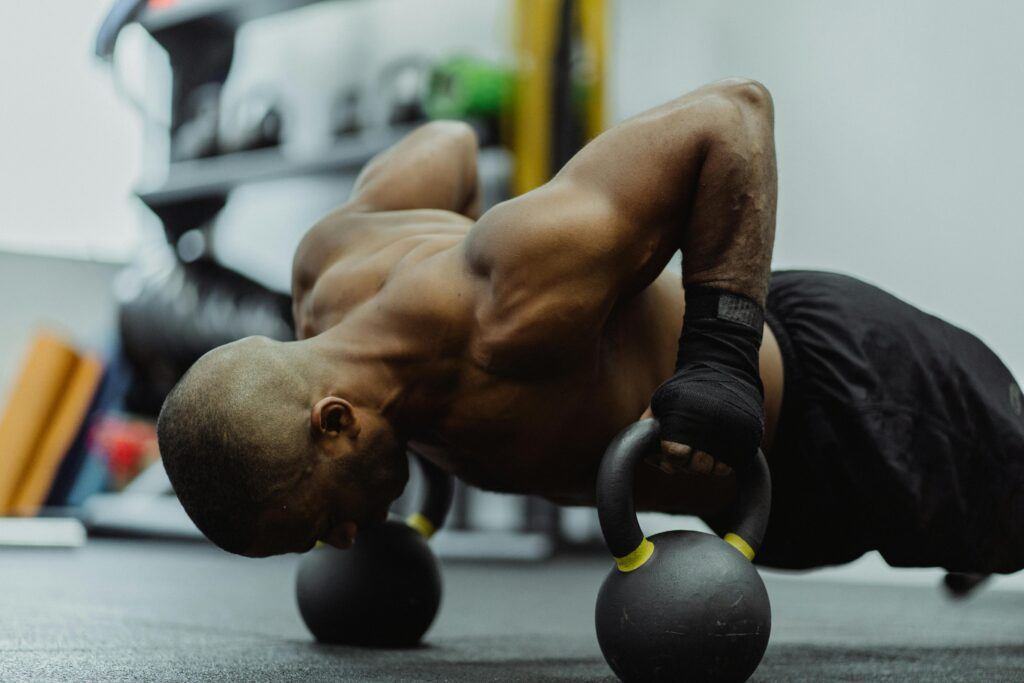
Push-ups exercise your chest, shoulders, and triceps. If you find normal push-ups too intimidating, you can begin with knee push-ups.
Beginner Progression:
- Week 1: Knee push-ups
- Week 2: Regular Push-ups
- Week 3: Decline push-ups
Form Tip:
- Keep your back straight and engage your core muscles.
- Do not strain your muscles.
- Use a
- Bodyweight Squats (Lower Body Power)
Squats target legs, glutes, and lower back muscles.
Begin with 3 sets with 15 repetitions. Emphasize the depth of the exercises and your posture while performing the exercises.
Variation: Do sumo squats to target your inner thighs.
- Planks (Core Strength
- Planks are great exercises for developing core strength and endurance.
- Hold for 30-60 seconds, with your back in a neutral position.
- Pro Tip: Don’t hyperextend your back. Concentrate on engaging your abdominals and your buttocks.
- Lunges (Balance & Coordination
- Lunges work the legs, hips, and balance.
- Begin by doing 2 sets of 10 lunges for each leg.
- Variation: Reverse Lunges for more glute contraction.
- Dips (Triceps and Chest Builder)
Dips are also one of the best exercises when it comes to working your triceps, shoulders, and chest. These can be done using dip rings, chair dips, or even dipping from your bed if you don’t have dip rings or a chair.
How to Do It:
- Sit on the edge of a chair with your hands lying alongside your hips.
- Slide forward until your body is supported by your arms.
- Lower yourself slowly until your elbows are bent at a 90-degree angle.
- Move back up to the original position.
For beginners, the trick is to keep the feet grounded, making the motion simpler. When more power is acquired, the legs can be extended completely for greater resistance.
Pro Tip: To ensure effective muscle activation, keep a slow pace while avoiding shoulder strain.
Adding dips in your calisthenics workouts for beginners helps develop strength in arms and chests.
- Pull-Ups or Assisted Pull-Ups (Back and B
Pull-ups might sound intimidating the first time you decide to do them, but they are one of the most effective compound exercises for gaining strength in your upper body because they work multiple muscle groups simultaneously, including your back, biceps, and shoulder
How to Start:
If you can’t do a full pull-up, you could start using a resistance band or an assisted pull-up machine. Alternatively, you could do ‘negative pull-ups,’ where you jump up and control the way you descend.
Form Tip:
Keep your core engaged, your shoulders rolled back and down (away from your ears), and your swinging kept to a minimum.
Assisted pull-ups can definitely be included in calisthenics workouts for beginners and are an effective method for developing the strength to complete pull-ups without any assistance.
- Mountain Climbers (Cardio & Core Power)
Mountain climbers are a full-body exercise that raises the heartbeat and burns fat while improving endurance and agility.
How to Do It:
- Start in a high plank position.
- Bring one knee up to your chest, then rapidly alternate legs.
- Now, continue moving in a running motion.
Pro Tip: Keep your core muscles contracted in order to support your lower back. Hold for 30 to 60 seconds.
To build the cardiovascular system and strong abdominal muscles, mountain climbers should be included in your calisthenics workouts routine for beginners.
- Leg Raises (Core and Lower Abs)
Leg raises are great exercises for building strength in lower abs, an area most newbies tend to skip.
How to Do It:
- Lie on your back with your hands underneath your hips.
- Now, raise your legs slowly until they are at a 90-degree angle.
- Lower them back down without touching the floor.
Tips: Starting Tips: You can lower the difficulty of the exercise by slightly bending your knees when performing the straight leg raise
Pro Tip: Concentrate on movement control versus speed to maximize the exercise for each repetition.
This action fits well together with other exercises you do in calisthenics workouts to build core strength.
- Burpees (Full-body finisher]
Burpees rank among the exercises that require both strength and endurance. This is because Burpees work all the muscle groups. Thus, Burpees can act as an effective finishing exercise.
How to Do It:
- Begin by standing up tall.
- Drop into a squat position and put your hands on the floor.
- Jump your feet back into a plank position.
- Perform one push-up and immediately jump your feet back up towards your hands and explosively jump up.
Pro Tip: Pace yourself, burpees are tough, but also super effective.
Burpees don’t just provide you with endurance, but they’re also known to burn calories and can be used as the final exercise to include in your calisthenics workouts for beginners program.
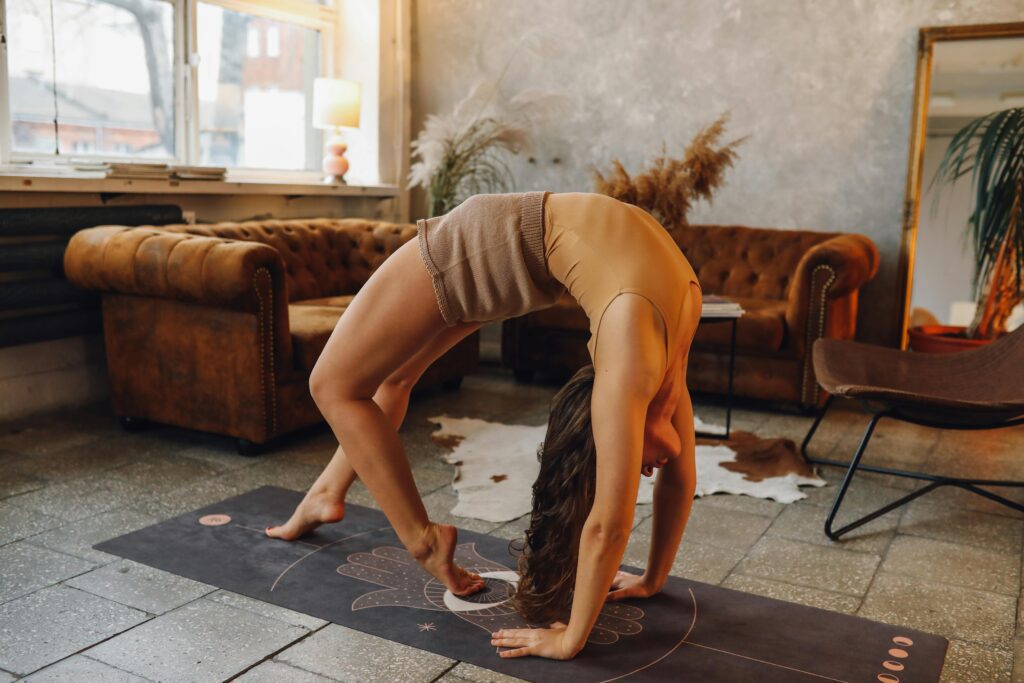
Complementary Gym Exercises for Beginners
- Neck Bridge
Having laid a foundation based on calisthenics, you are capable of gradually working out in the gym with customized exercises based on specific muscle groups. It is most effective to work out in both ways.
- Bench Press with Dumbbells (Chest and
This exercise is a classic bodybuilding exercise for developing the upper body muscles.?Start by lying on a flat bench and holding dumbbells over your chest.?Now lower the dumbbells slowly to a position when your elbows are at right angles to your body.?Now raise the dumbbells to the starting position.?
It replicates the push-up exercise from the Calisthenics workouts for Beginners physical exercise routine, but with added resistance.
Tip: To effectively target the chest muscles, move slowly.
- Lat Pulldown (Back and Biceps
If performing pull-ups is still not feasible, doing lat pulldowns on a lat pulldown machine will assist in building strength in those muscles.
Maintain a broad grip, and then pull the bar downwards towards your chest, bringing your shoulder blades together.
Pro Tip: Don’t rack the bar quickly. Controlled movement gives you more muscle activation.
- Seated Rows (Posture and Back Strength)
Seated Rows work both the back and arms, promoting better posture.
Maintain an erect posture, bring the handles towards your abdomen, and try to contract the back muscles.
This exercise can be combined effectively with your calisthenics workouts routine for your back, such as pull-ups and planks.
- Leg Press Exercise (Lower Body Strength)
This machine also assists in strengthening the legs and the buttocks.
Begin with light weights in order to master good form.
Form Tip: Your feet should be shoulder-width apart, and make sure not to lock your knees as you crest the movement.
- Treadmill Intervals (Cardio and Fat Burning)
Running or walking intervals on the treadmill increases endurance. Intermittently do one minute of jogging and one minute of walking activity for 15-20 minutes.
Such cardio exercises also aid your calisthenics workouts routine for beginners by enhancing your cardiovascular health.
Top Vegan Sources of Protein for Muscle Recovery
Protein is very essential in muscle repair and buildup, most probably if you are undertaking regular exercises like calisthenics workouts and gym workouts. People usually think that it is very difficult for a vegan to obtain sufficient protein in their food—but it is not.
How about some good sources of protein that a vegan can consume to build strength?
- Lentils & Chickpes
These are power foods that are rich in protein, fiber, and minerals.
- Protein: ≈ 18g per cooked cup.
- Ideal for soups, curries, and salads.
Lentils and chickpeas ensure that there’s energy level stability, which is important to power through your calisthenics workouts if you’re a beginner.
- Tofu & Tempeh
Tofu and tempeh have high protein and calcium content yet come from soybean and have a higher protein density due to the fermentation process.
- Protein Content: 15-20g/serving
- Perfect for stir-fry, sandwiches, or grills.
These proteins are complete proteins, meaning that they contain all of the nine essential amino acids that a body requires.
- Quinoa
Quinoa is one of the only grains that is a complete protein source.
Protein: 8 grams per cup.
In fact, it is rich in magnesium, iron, and fiber, considered essential elements for muscle buildup and energy generation.
- Chia, flax, or hemp seeds
Seeds are tiny powerhouses of omega-3 fatty acids and vegetable protein.
Mix them into smoothies, oatmeal, or vegan yogurt.
Protein Per Serving: 5-10 grams.
“They’re particularly good at aiding in recovery after exercise and maintaining joint health,” Isis explains
- Vegan Protein Powders
Vegetable protein powder made from peas, rice, or hemp is very useful for busy schedules. Just mix it with other substances like beverages for recovery.
Pro Tip: Try to get powders with at least 20g of protein per serving and as few additives as possible.
Taken with a nutritious well-rounded vegan diet, these foods will help make sure that every nutritional requirement is covered that is necessary while performing a calisthenics workouts routine.
Creating a Balanced Fitness Program
Lastly, you have learned the basics of calisthenics workouts for beginners, other exercise routines in the gym, and vegan proteins for fueling your process. It’s time to integrate all the above into an overall routine to keep you moving forward with results.
A structured program is required to get long-term effects. It prevents overtraining, allows for proper recovery, and also allows your routines to exercise each major muscle group evenly.
Example of Weekly Schedule
Here is a basic yet productive plan for a beginner that involves calisthenics, gym training, and rest days for a period of seven days:
Day 1 – Calisthenics
Full body workout
Perform the following 10 calisthenics workouts mentioned earlier. Practice them slowly and correctly.
- Jumping Jacks – 2 sets (warm-up phase
- Push-Ups – 3 sets of 10
- Squats – 3 sets of 15
- Planks – 2 rounds of 30 seconds
- Lunges – 2 sets for each leg
- Dips – 3 sets of 8
- Mountain Climbers – 2 rounds of 45 seconds
- Leg Raises: 2 sets of 10
- Pull-Ups (Assisted) – 2 sets of 5
- Burpees – 2 sets of 8
End with Light Stretching.
Day 2 – Gym (Upper Body)
In today’s exercise routine
- Dumbbell Bench Press – 3 sets of 10
- Lat Pulldown – 3 sets of 10
- Seated Rows: 3 sets of 12
- Shoulder Press – 2 sets of 10
- Indoor conditions
10 minutes of treadmill intervals
Day 3 Rest or Light Yoga
Active Recovery assists in rebuilding muscles. You can do yoga, mobility exercise, or a walk.
Day 4 – Calisthenics (Core and Lower Body)
- Squats – 3 sets of 20
- Lunges – 3 sets of 10
- Planks – 3 sets, each for 45 seconds
- Leg Raises – 2 sets of 12
- Mountain Climbers – 2 rounds of 1 minute
Day 5 – Gym Lower Body (Plus some Cardio
- Leg Press 3 sets to 12
- Deadlifts (light weight) 2 sets of 10
- Step-Ups – 3 sets of 10 per leg
- Treadmill Intervals – 20 minutes
Day 6 – Mix of Calisthenics and Cardio
- Combine brief bouts of exercises for endurance.
- Jacking Jumping – 1 minute
- Burpees – 30 seconds
- Push-Ups – 1 minute
- Planks 45 seconds
- Repeat the circuit 3–4 times.
Day 7 – Rest or Light Stretching
- Your body needs time to recover. Proper rest improves performance and prevents injuries.
- Rest, Recovery, and Sleep
The most common mistake made by beginners is neglect of recovery. Your muscles grow and repair when you are resting, not during the workout itself. So shoot for:
7–9 hours of sleep every night
1–2 rest days per week
Proper hydration – 2-3 litres of water daily
A source of good protein, such as tofu or lentils, after a workout helps vegans repair muscle tissue and restores energy.
Consistency over perfection
Comparing yourself in the gym or on social media may be easy, but remember: fitness is a personal journey. Keep being consistent and track your progress while celebrating small milestones. Whether you can do 10 perfect push-ups now, or hold a plank for a little longer, every win counts.
The key to succeeding with a calisthenics workouts for beginners is to show up, even when motivation is at an all-time low. Discipline and routine will carry you through.
Common mistakes beginners should avoid
This also means that even very eager and enthusiastic beginners can make mistakes that cut the process of progress short, and sometimes even lead to injuries. Let’s go over a few common pitfalls and how to avoid them.
- Neglecting Warm-ups and Cool-downs
A warm-up prepares your muscles and joints for exercise by preventing strain. Spend at least 5–10 minutes doing some light cardio or dynamic stretches before your workout.
Afterwards, cool-down is necessary through static stretches or foam rolling to aid in recovery and flexibility.
- Bad Form
Poor form while exercising can lead to getting injuries and limiting progress. For every exercise, technique should always come before the number of reps.
If possible, record yourself or work with a trainer who can help you correct your movements, especially on complex exercises like dips and pull-ups.
- Overtraining
It is a common belief among beginners that the more workouts are done, the faster the results will be; this is vice versa, actually. Muscles don’t have enough time to rebuild themselves without rest, which may lead to fatigue and burnout.
Your beginner calisthenics workouts should be challenging-but not exhausting-you beyond recovery.
- Not paying attention to nutrition
Exercise will not work itself out if nutrition does not complement it. Vegan athletes should keep in mind a number of things, such as their protein intake, healthy fats, and complex carbohydrates.
Include lentils, tofu, nuts, and whole grains in your daily intake.
- Unrealistic Expectations
Change does not occur overnight. Try not to build up your hopes for immediate change, nor should you compare yourself to others. Consistency and gradual improvement are the things you want to focus on.
- Neglecting mobility and flexibility.
Flexibility training is mainly essential to maintain joint health through things like yoga or stretching. It also prevents stiffness and improves performance both in the gym and with calisthenics workouts.
Commonly Asked Questions
- How many days a week should I do a calisthenics workouts for beginners?
Start with 3–4 days a week. Focus on full-body workouts and go progressively heavier as you get stronger.
- Am I able to build muscles with the help of just calisthenics?
Absolutely. So long as you’re using progressive overload-increasing reps, increasing sets, increasing difficulty-you can build lean, functional muscle without any weights.
- What’s the best vegan protein powder for recovery?
Pea, rice, and hemp are all good protein powder bases to look for with minimal added ingredients. Brands offering 20g of protein or more in one serving are good for post-workout nutrition.
- Can I mix calisthenics with going to the gym?
Yes! Both together strike a perfect balance between strength and functional mobility. Go to the gym for specific muscles, and for your body control and endurance, go for calisthenics workouts.
- How long will it take to see results?
But with consistent training and proper nutrition recovery, noticeable improvements can appear within 6–8 weeks. No one’s journey is the same; therefore, embrace progress, not perfection.
Conclusion
It might be overwhelming to embark on a fitness journey, but incredible results can be achieved in due time when one has the right plan and mindset in place.
A calisthenics workouts for beginners is one of the most effective ways to build strength, improve endurance, and enhance health without fancy equipment or highly costly gym memberships.
With that, combined with simple gym exercises and a vegan diet full of plant-based protein sources, your body will be in its best shape ever.
You will be filled with more energy, your posture will be better, your balance will improve, and there will be a better connection between your mind and body.
Remember: Take it slow and master the basics. Prioritize form and consistency. Nourish your body with healthy vegan foods. Celebrate the small wins along the way. Every squat, push-up, and plank gets you one step closer.
Whether training at home or hitting the gym, this beginner calisthenics workouts can change not just your physique but your very lifestyle. This is a commitment in the journey, with much patience required, and to enjoy the process while doing so-your future, stronger self will be thankful.