
Table of Contents
Introduction
Life as a student these days is riddled with challenges. From academic stresses such as exams and assignments to social pressures and personal commitments, students feel burdened at times.
Such prolonged stress has an impact on mental health, concentration, and wellbeing. The good news is that there is an easy yet highly effective solution: Mindfulness Exercises.
Mindfulness Activities are brief exercises that prompt people to remain in the present moment. They assist students in lowering stress, raising concentration, and increasing emotional equilibrium. The good news is that they can be accomplished in 5 minutes, and thus they are convenient for busy students who find little time for self-care.
By integrating Mindfulness Activities into the daily routine, students can enjoy quieter minds, better sleep, improved grades, and stronger emotional resilience. This blog will examine a variety of useful 5-minute mindfulness exercises, tips for keeping up consistency, as well as everyday examples of how students have improved using simple techniques.

1. What Are Mindfulness Activities?
Mindfulness Exercises are activities that assist one in paying attention to the current moment, being aware of thoughts, emotions, and physical sensations without judgment. Unlike other meditation that may take hours, mindfulness is practicable in short sessions, hence ideal for students.
Some of the most common Mindfulness Exercises include:
- Deep breathing exercises
- Body scanning
- Mindful walking
- Journaling
- Gratitude exercises
These activities instruct pupils in observing their feelings and thoughts, which leads to a decrease in impulsivity and enables them to react serenely to adverse situations. With time, regularly practicing Mindfulness Activities improves emotional intelligence, focus, and mental acuity.
2. The Science Behind Mindfulness Activities
The advantages of Mindfulness exercise are backed by psychological and neuroscientific research. When regular practice is carried out, these activities:
Lower cortisol levels: Cortisol is the stress hormone, and mindfulness decreases it, lowering tension and anxiety.
Boost dopamine: Mindfulness activity can increase mood and motivation.
Boost brain function: Parts of the brain that are in charge of attention, memory, and emotion control become activated.
Research has established that students who engage in Mindfulness exercise daily report improved concentration, better grades, and greater resistance to stress. As little as 5 minutes a day can also result in measurable improvements in mood and mental functioning.
3. Advantages of Mindfulness Activities for Students
Mindfulness Activities are quite beneficial, both physically and mentally.
- Mental Health Advantages
- Decreases anxiety and stress levels
- Improves emotional management
- Assists students to overcome negative thoughts
- Academic Advantages
- Improves focus and concentration
- Boosts memory recall
- Facilitates improved exam performance
- Social Benefits
- Fosters empathy and comprehension
- Enhances interpersonal relationships
- Includes better communication skills
Incorporating Mindfulness Activities in daily routines assures that students not only excel academically but also experience emotional stability and social harmony.

4. 5-Minute Mindfulness Activities to Begin Your Day
Beginning the day with Mindfulness Activities infuses a positive start and energizes the mind.
- Deep Breathing Exercise
- Sit comfortably, close your eyes, and breathe in deeply for 4 seconds
- Breathe in for 2 seconds, then out for 6 seconds
- Repeat for 5 minutes, solely focusing on your breath
This easy Mindfulness Activity calms morning stress and quiets the mind before the day ahead
Gratitude Practice
At night, take a few minutes to write down three things you are grateful for
Think about each item for a few seconds, considering why it’s important
This Mindfulness Activity breeds optimism and emotional strength
Mindful Stretching
Do gentle stretches while observing each movement and sensation
Stretch arms, legs, neck, and back gradually
Beginning the day with this Mindfulness Activity enhances physical awareness as well as mental alertness
5. Mindfulness Activities During Study Breaks
Students tend to study for extended periods of time, which can cause mental exhaustion. Brief mindfulness breaks can rejuvenate the mind.
Mindful Walking
- Walk slowly and observe each step and environment
- Observe sounds, sights, and sensations
- This Mindfulness Activity refuels the mind and helps eliminate stress
Mindful Coffee or Tea Break
- Drink slowly and carefully, paying attention to taste, temperature, and smell
- Stay away from distractions such as phones or laptops
- Students become present and refreshed by practicing this Mindfulness Activity
Listening to Nature Sounds
- Play natural noises such as birds singing or ocean waves
- Listen only to the sound for 5 minutes
This Mindfulness Activity helps eliminate mental clutter and enhances concentration

6. Mindfulness Activities Before Sleep
Wind-down from the day using Mindfulness Activities to ensure quality sleep.
Body Scan Meditation
Get into bed and concentrate on each area of your body, beginning at the head and moving to the toes
Let go of tension as you concentrate on each area
Body Scan Meditation relaxes the body and mind for sleep
Guided Meditation
Play a 5-minute guided meditation recording
Listen to the instructions and imagine yourself in peaceful, relaxing situations
Guided meditation as a Mindfulness Exercise minimizes stress and induces sound sleep
Journaling
Record thoughts or reflections for the day
Record positive experiences, concerns, or lessons learned
Journaling as a Mindfulness Exercise facilitates emotional catharsis and mental clearness

7. Stress Reduction Techniques Through Mindfulness Activities
Mindfulness Activities are very effective in reducing stress.
Deep Breathing Techniques
- Focused breathing stimulates the parasympathetic nervous system
- Aids in lowering heart rate and anxiety reduction
- Practice of this Mindfulness Activity can quiet the mind during stressful times
Visualization
- Visualize a relaxing place or situation
- Concentrate entirely on the mental image, employing all senses
- Visualization as a Mindfulness Activity increases relaxation and stress relief
- Mindful Awareness of Thoughts
- Watch thoughts non-judgmentally
- Let bad thoughts just pass by naturally
This Mindfulness Activity encourages emotional stability and mental toughness
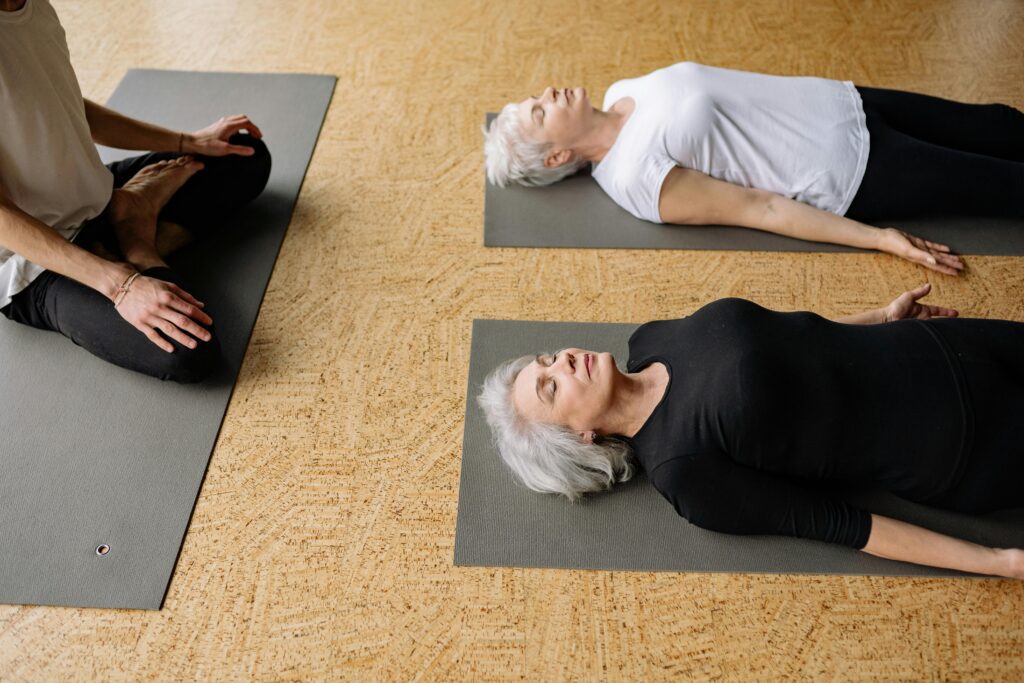
Mindful Movement
- Stretching or gentle yoga with attention to movement and breath
- Blends exercise with mindfulness for improved stress coping
Continued practice of this Mindfulness Activity enhances body and mind
8. Advanced Mindfulness Activities
After students feel confident with simple exercises, they can try advanced Mindfulness Activities:
Mindful Eating
- Eat slowly with attention to taste, texture, and smell
- Don’t let distractions get in the way of meals
- This Mindfulness Activity enhances digestion and mental awareness
Mindful Listening
- Listen carefully to music, podcasts, or lectures
- Listen completely to the sound without permitting the mind to wander
- Doing this Mindfulness Activity enhances concentration and recall
Mindful Technology Breaks
- Use phones or laptops with purpose
- Prevent multitasking and distraction
This Mindfulness Activity minimizes digital tension and enhances mental focus

9. Common Faults to Steer Clear of in Mindfulness Activities
To benefit most from Mindfulness Activities, students need to avoid:
- Rushing through exercises
- Multitasking during mindfulness practice
- Comparing themselves with others
- Overlooking to take things present
Rectifying these errors guarantees that Mindfulness Activities yield utmost benefits for mental welfare and stress alleviation.
10. Apps and Tools to Facilitate Mindfulness Activities
A number of apps can support Mindfulness Activities practice:
- Meditation apps with guided exercises for 5 minutes
- Reminder apps for mindfulness daily sessions
- Journaling apps to monitor progress and analyze emotions
Utilizing these tools allows students to incorporate Mindfulness Activities into their hectic schedules more easily.

11. Real-Life Examples and Student Testimonials
Numerous students have found Mindfulness Activities to be helpful:
- A student utilized deep breathing techniques prior to exams and experienced decreased anxiety and greater concentration
- A second student enhanced sleep quality through nightly body scan meditation
- Journaling as a Mindfulness Activity assisted a student in working through emotions and staying in an optimistic state
These instances show the actual effect of Mindfulness Activities on student mental health.
12. Strategies for Sustaining a Daily Mindfulness Practice
Consistency is crucial to long-term gains of Mindfulness Activities:
- Use reminders to practice every day
- Begin with 5 minutes and, over time, add more minutes
- Interleave mindfulness into daily tasks or study breaks
- Practice sharing with friends or family members as a motivational factor
By applying these tips, students can make Mindfulness Activities a routine and efficient part of their daily lives.
Conclusion
Mindfulness Activities are easy but potent weapons that can greatly enhance students’ mental health. By carrying out 5-minute practices during the course of the day—morning routines, study breaks, and before bedtime—students can lower their stress levels, enhance concentration, and stay emotionally balanced.
Small beginnings and regular practice are essential. With only a few minutes every day, Mindfulness Activities can make a difference in student life, rendering it quieter, healthier, and more productive.
Get going today, and make these Mindfulness Activities a part of your routine to enjoy lower stress levels, improved sleep, and enhanced academic performance.

Q&A: Mindfulness Activities for Students
Q1: What are Mindfulness Activities?
A: Mindfulness Activities are brief exercises that assist you in concentrating on the here and now. They decrease stress and enhance concentration.
Q2: Why should students do Mindfulness Activities?
A: Students encounter stress every day. Mindfulness Activities assist in controlling anxiety, enhance concentration, and enhance mental health.
Q3: How long should I spend on each Mindfulness Activity session?
A: Even 5 minutes of Mindfulness Activities every day can yield tangible results.
Q4: Can Academic Performance be improved through Mindfulness Activities?
A: Yes, Mindfulness Activities practiced increase focus, memory retention, and decision-making ability.
Q5: Are Mindfulness Activities difficult to perform?
A: Absolutely not. They are easy, quick, and need no equipment.
Q6: Can I practice Mindfulness Activities anywhere?
A: Yes, Mindfulness Activities can be practiced at home, in class breaks, or even when you are outside.
Q7: How do Mindfulness Activities help reduce stress?
A: Mindfulness Activities calm the mind, lower cortisol levels, and help students manage anxious thoughts.
Q8: What is a good Mindfulness Activity to start the day?
A: Deep breathing, gratitude journaling, or gentle stretching are excellent 5-minute Mindfulness Activities for mornings.
Q9: Can Mindfulness Activities improve sleep?
A: Yes, activities like body scans, guided meditation, and mindful journaling help students relax before bed.
Q10: Do Mindfulness Activities require meditation experience?
A: No, beginners can easily begin. Mindfulness Activities are kept simple and easy to pursue.

Q11: How frequently should students practice Mindful Practices?
A: Practice daily, even for 5 minutes, to notice steady improvement.
Q12: Can Mindfulness Activities be integrated with study breaks?
A: Yes. Mindfulness practices such as mindful walking or tea sipping can recharge the mind between studies.
Q13: Are apps for Mindfulness practices available?
A: Yes, most apps have guided Mindfulness practices for beginners as well as experts.
Q14: How do Mindfulness Activities assist in emotional balance?
A: They make students learn to watch thoughts without judgment, minimizing emotional reactivity.
Q15: Do Mindfulness Activities enhance concentration while writing exams?
A: Yes, repeating short Mindfulness Activities prior to studying or exams enhances concentration and calmness.
Q16: Is restlessness normal during Mindfulness practices?
A: Yes, beginners tend to be restless. With practice, Mindfulness practices are easier and more relaxing.
Q17: Can Mindfulness practices assist in dealing with social stress?
A: Yes, they foster empathy, patience, and improved communication skills.
Q18: Do Mindfulness practices need quiet environments?
A: Quiet is helpful, but Mindfulness Activities can also be done in loud places by tuning inward.
Q19: Are Mindfulness practices for every student?
A: Yes, Mindfulness practices are flexible for any age or time schedule.
Q20: What are ways to measure progress in Mindfulness Activities?
A: Record changes in concentration, mood, and tension in a journal or through an app.
Q21: Can Mindfulness practices be used in place of therapy?
A: No, but they supplement therapy by lowering stress and enhancing mental clarity.
Q22: What are the best Mindfulness practices for use during study breaks?
A: Short exercises like mindful walking, listening to nature sounds, or mindful eating work well.
Q23: Can Mindfulness practices eliminate procrastination?
A: Yes, through enhanced focus and awareness, Mindfulness practices keep students on task.
Q24: How do I remain consistent with Mindfulness practices?
A: Place reminders, begin small, and incrementally make Mindfulness practices a routine.
Q25: Are Awareness Exercises
stressful if I get them wrong?
A: No, there’s no doing it wrong. The objective is to watch your thoughts and feelings kindly.
Q26: Can Mindful Habits assist when studying in groups?
A: Yes, a 5-minute break for Mindfulness Activities can rejuvenate the mind and enhance collaboration.
Q27: Do Mindful Habits enhance self-awareness?
A: Definitely. They make students aware of thoughts, feelings, and habits in their behavior.
Q28: Can Mindful Habits alleviate exam stress?
A: Yes, regular practice of deep breathing or visualization as Mindfulness Activities reduces nervousness before exams.
Q29: How do Mindful Habits affect mental wellbeing?
A: They decrease stress, enhance concentration, and encourage a positive, balanced attitude.
Q30: Are Mindfulness habits scientifically verified?
A: Yes, studies indicate frequent practice decreases stress hormones, improves brain function, and enhances mental well-being.
Q31: Can I do Mindfulness habits with my friends?
A: Yes, practice in groups can boost motivation and help establish mindfulness routines together.
Q32: Do Mindfulness habits need special equipment?
A: No, they need only your attention and commitment to the here and now.
Q33: Are Mindfulness habits useful for anger control?
A: Yes, they instill students with the practice of stopping, noticing feelings, and reacting coolly.
Q34: How do Mindfulness habits influence concentration in online classes?
A: Short Mindfulness habits revitalize the mind, sharpen attention, and suppress distractions in virtual classes.
Q35: Can I use more than one Mindfulness habits in a single session?
A: Yes, for instance, begin with deep breathing, followed by a body scan or gratitude journaling for a complete 5–10 minute regimen.
Q36: How quickly will I notice results from Mindfulness habits ?
A: A few students identify enhancements in concentration and stress levels in one week of regular practice.
Q37: Can Mindfulness habits assist in addressing digital overload?
A: Yes, brief pauses with Mindfulness habits decrease screen fatigue and mental disorganization.
Q38: Is Mindfulness habits just for stressed students?
A: No, non-stressed students also gain from increased concentration, emotional stability, and wellbeing.
Q39: Can Mindfulness habits enhance creativity?
A: Yes, by relaxing the mind, they make room for new thoughts and problem-solving.
Q40: How do I select the most appropriate Mindfulness habits for me?
A: Try out various exercises such as breathing, journaling, walking, or guided meditation until you realize what suits you the most.
Q41: Can Mindfulness habits help with self-confidence?
A: Yes, by increasing self-awareness and emotional regulation, Mindfulness habits boost confidence over time.
Q42: Do Mindfulness habits require a fixed time?
A: No, even 5-minute sessions at any convenient time are effective.
Q43: Can Mindfulness habits be stressful if I’m impatient?
A: It’s normal at first. With regular practice, impatience decreases and mindfulness becomes relaxing.
Q44: Are Mindfulness habits beneficial for group projects?
A: Yes, they keep students calm, centered, and cooperative when working on group tasks.
Q45: How do I know Mindfulness habits are having an effect?
A: Observe increased attention, calmness, emotional equilibrium, and lower stress levels over time.
Q46: Can Mindfulness habits be done with exercise?
A: Yes, mindful walking, yoga, or stretching are good exercises to mix physical activity with mindfulness.
Q47: Do Mindfulness habits assist with time management?
A: Yes, by increasing concentration and perception, they assist students in prioritizing tasks.
Q48: Are Mindfulness habits appropriate for exams week?
A: Definitely. Brief, 5-minute Mindfulness habits can soothe anxiety and enhance focus.
Q49: Can Mindfulness habits assist with peer pressure?
A: Yes, they increase self-perception and emotional regulation, so students are less responsive to peer pressure.
Q50: What is the simplest Mindfulness habits to begin with?
A: 5 minutes of deep breathing is the easiest and most effective Mindfulness habits for novices.