
Table of Contents
Introduction
Stress management has become one of the most pressing needs of modern life. It is either deadlines at work, academic pressure, household chores, or financial problems; stress touches almost all of us. While some stress can also stimulate us to work better, too much stress damages both physical and mental health.
Discovering ways to cope with stress effectively is not only useful but obligatory to live a healthy and balanced life.
In fact, chronic stress is associated with illnesses such as anxiety, depression, heart disease, and even compromised immunity.
The best part is that stress doesn’t need to dominate our lives. Anyone can handle pressure in a positive manner with the right techniques for reducing stress [Stress Reduction] . This blog shall try to understand what exactly is stress, how it influences mental health, and how best to minimize it.
By the time you finish, you will have useful strategies that you can apply immediately to enhance your emotional health and quality of life.

Understanding Stress and Its Impact
Stress is the body’s automatic response to a demand or challenge. If you encounter a stressful situation, your brain sends a message to release hormones such as adrenaline and cortisol.
These hormones make your body ready to react—your heart rate increases, muscles tense, and senses become sharper. This “fight or flight” reaction is helpful in a crisis, but when it occurs too frequently, it becomes detrimental.
Short-Term vs. Long-Term Stress
Short-term stress is good for getting a deadline done or studying for an exam.
Long-term stress, though, keeps you hyped up all the time. This sucks energy out of you, harms your health, and makes you less effective in thinking things through.
Effects on Physical Health
Long-term stress can lead to headaches, sleep disorders, high blood pressure, digestive troubles, and constant colds. In the long run, it raises the risk of heart disease, diabetes, and obesity.
Effects on Mental Health
Psychologically, stress is a cause of anxiety, irritability, depression, and burnout. It slows down attention, memory, and decision-making capacities.
Individuals under chronic stress also lose their ability to stay motivated and emotionally balanced.
Emotional Wellness and Stress
Emotional well-being is having the strength to endure life’s challenges. Stress management [Stress Reduction] or else emotional well-being deteriorates, and one remains constantly negative and frustrated.
Hence, stress reduction skills are not merely “good to have” but are required for good mental health.
Why Stress Management [Stress Reduction] Is Important
Others find stress an inevitable part of life, but neglecting it has severe repercussions. Stress management [Stress Reduction] is important for:
Improved Mental Wellbeing: A relaxed mind enables you to think clearly, remain optimistic, and steer clear of depression or anxiety.
Enhanced Physical Health: Less stress translates to lower blood pressure, a stronger immune system, and improved sleep.
Increased Productivity: Stress-less individuals concentrate more, make better choices, and work/study better.
Better Relationships: Stress management avoids irritability and maintains healthy personal relationships.
In short, taking steps to reduce stress improves not only your health but also your happiness and success in life.
Proven Stress Reduction Techniques
Now let’s dive into the most effectiveStress Reduction techniques. These methods are backed by research and can be adapted to fit anyone’s lifestyle.
Mindfulness and Meditation
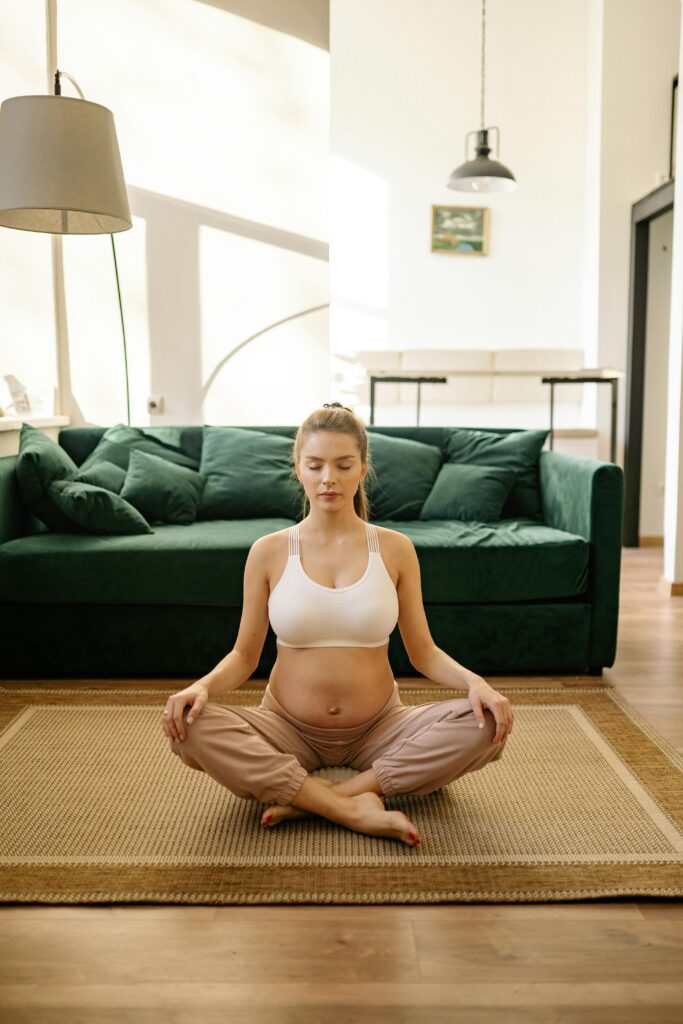
Mindfulness is all about being present in the current moment without judgment. Rather than concerning yourself with past or future, you concentrate on your surroundings, body, and breath. One of the most superior mindfulness exercises is meditation.

Types of Meditation:
Breathing meditation: Concentrates on slow, deep breathing.
Guided meditation: Involves listening to soothing instructions.
Body scan: Focuses attention on varying areas of the body.
Benefits: Meditation has fewer anxiety symptoms, enhances focus, and enhances emotional health. Research indicates 10 minutes per day can have a significant impact on mental health.
Exercise and Physical Activity
Physical exercise is perhaps the strongest stress reduction method. When we exercise, our body releases endorphins—”feel-good” hormones that elevate mood and decrease pain.
Aerobic activities such as walking, running, and cycling lower stress hormones.
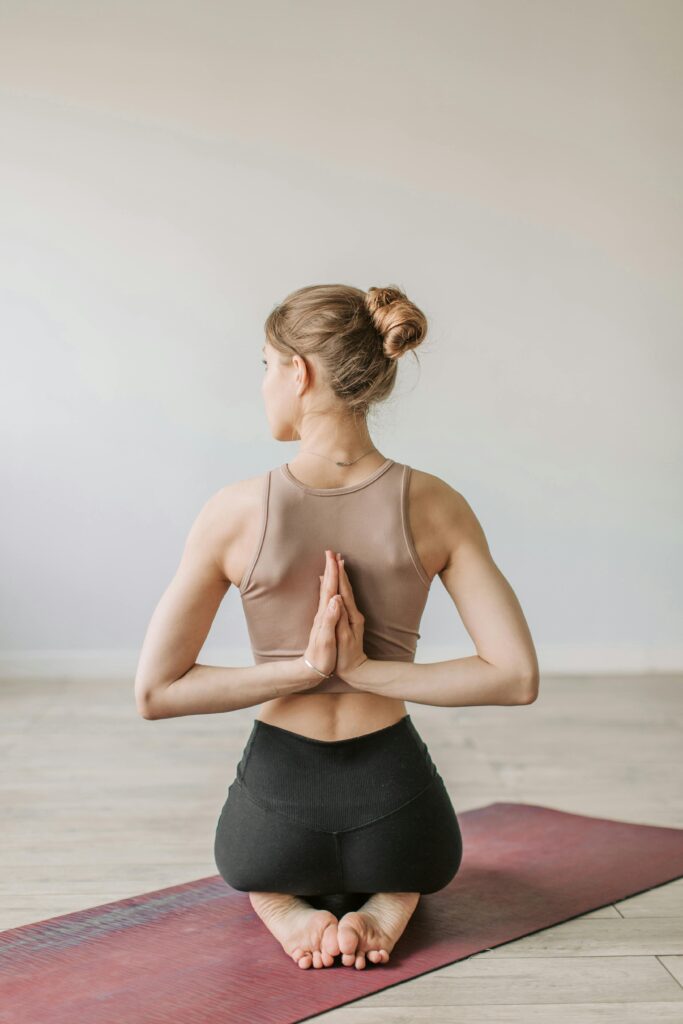
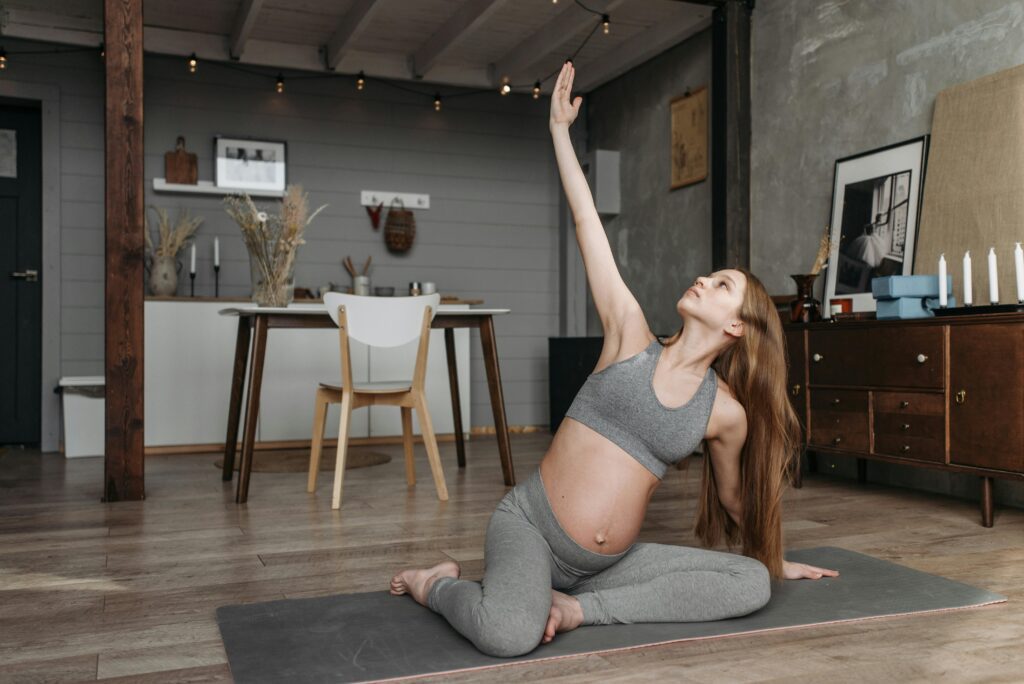
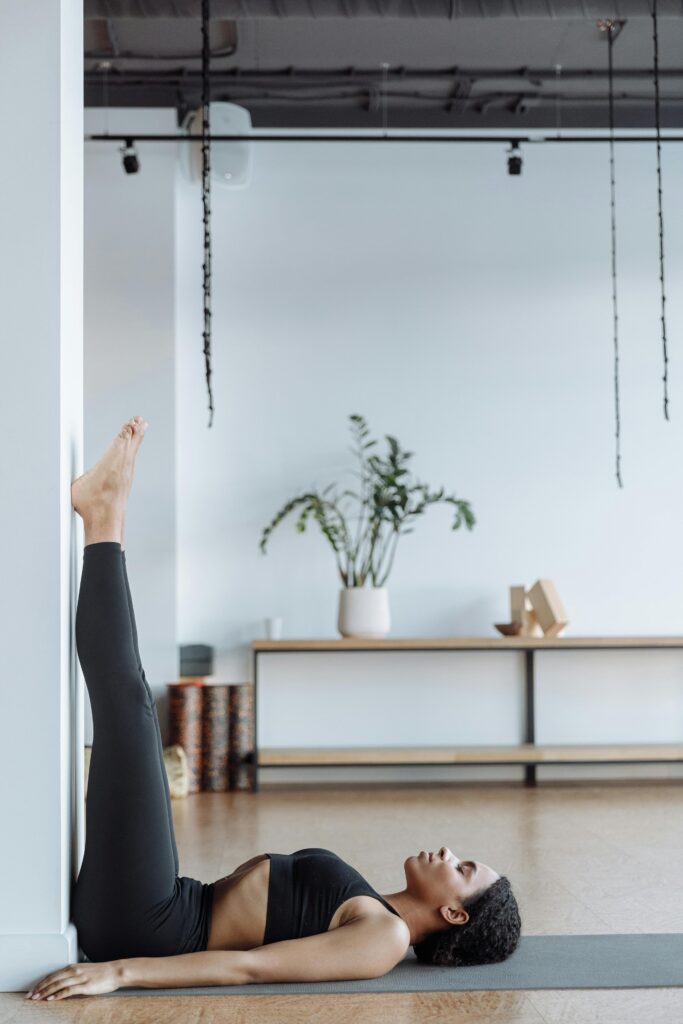
Yoga and stretching relax the body and calm the mind.
Strength training boosts confidence and resilience.
Exercising doesn’t just benefit physical health; it’s a proven way to protect mental health and emotional balance.
Deep Breathing and Relaxation Exercises
When you’re stressed, your breathing becomes shallow. Deep breathing helps calm the nervous system.
Box breathing: Inhale for 4 seconds, hold for 4, exhale for 4, hold for 4.
Diaphragmatic breathing: Take a deep breath from the belly, not from the chest.
These practices instruct the brain to relax, reducing heart rate and anxiety levels immediately.
Healthy Lifestyle Habits
Your daily routines significantly impact stress management [Stress Reduction].
Balanced diet: Whole grains, fruits, and vegetables stabilize mood.
Sleep hygiene: Bedtime consistency every night enhances mental well-being.
Limiting stimulants: Too much caffeine or alcohol increases stress instead of reducing it.
Taking care of your body is one of the simplest yet most effective coping strategies.
Time Management and Setting Boundaries
Poor time management often leads to stress. Learning to manage tasks effectively is key.
Prioritize important tasks and break them into smaller steps.
Use planners or apps to stay organized.
Learn to say “no” when you’re overwhelmed.
By establishing boundaries, you safeguard your mental health and avoid burnout.
Social Connection and Support
As human beings, we are social, and we need connection to achieve mental wellness.
Call a friend or family member when feeling stuck.
Engage in support groups or clubs with a common interest.
Don’t shy away from therapy when necessary.
Having listeners around alleviates loneliness and increases resilience.
Hobbies and Creative Outlets
Creativity comes naturally and is a stress-reducing factor [helps in stress reduction]. Painting, dancing, journaling, or gardening gives you a platform to express emotions positively.
Writing assists in the release of bottled-up emotions.
Music and dancing relieve tension.
Gardening and crafts induce relaxation.
Hobbies not only alleviate stress but also enhance emotional health.
Professional Assistance When Needed
At times, stress takes over and might result in severe mental illness such as anxiety or depression. In these instances, professional assistance is required.
Counseling and therapy offer coping skills.
Medication might be dispensed for extreme cases.
Stigma removal: Asking for help is not a sign of weakness—it is a sign of strength.
Knowing when you need help is a sign of self-knowledge and strength.
Everyday Coping Strategies
Stress reduction does not necessarily mean drastic changes. Small coping skills can simplify daily life:
Take breaks in work for short intervals.
Hydrate and snack on healthy foods.
Take a 10-minute walk when feeling overwhelmed.
Practice gratitude journaling to highlight positives.
Incorporating building resilience training into your routine makes you more resilient to future stress. Taking small steps over time becomes lifelong habits that safeguard mental well-being.
Creating a Personalized Stress Reduction Plan
We all respond to stress differently, which means a single technique may not suit everyone. Having a personal plan guarantees long-term success.
Determine your primary stress triggers.
Select Stress Reduction methods that suit your lifestyle (meditation, exercise, or hobbies).
Combine short-term coping with long-term habits.
Check in with yourself regularly and make changes accordingly.
By prioritizing stress management [Stress Reduction], you create a lifestyle that promotes mental well-being and emotional health.
How I Learned to Manage Stress and Improve My Mental Wellbeing
I never knew the amount of stress that was ruling my life until it began to impact my sleep, mood, and relationships. I used to think that it was normal to be “tired and busy” for many years. But gradually, I found myself snapping at loved ones, my chest remaining tight all the time, and my mind wouldn’t quit racing. That’s when I knew that things had to change.
What I learned by trial and error is that stress never actually goes away. Life continually presents us with new challenges. But how we deal with stress can entirely change the way we feel. I tried various stress-reducing strategies over time. Some didn’t work, some did, but a few ended up becoming habits in my daily life—and quite frankly, they changed my life.
Let me not only explain the methods, but also how I benefited from them personally.
1. The Power of Mindfulness and Breathing I first attempted mindfulness meditation.
I’m being honest—my initial reaction was to feel uncomfortable. Sitting still with my eyes shut, simply paying attention to my breath, was more difficult than it seems.
My mind wandered frequently, and I felt like I was doing it wrong. But after one week of regular practice—only 10 minutes each morning—I was feeling more at peace. When tense situations arose, such as arguments at home or stress at college, I didn’t respond immediately.
I paused, breathed, and spoke instead of going off the top. Breathing exercises became my secret weapon. Whenever I felt my heart racing, I practiced box breathing: inhale 4 seconds, hold 4, exhale 4, hold 4. Within minutes, I felt my body relax.
2. Exercise: My Stress Outlet
I previously stayed away from exercise, making excuses about not having time. Yet, I saw that I spent hours browsing my phone when I was tired.
One night, I decided to take a basic 15-minute walk. To my surprise, I returned with a clearer mind and lighter disposition.
Slowly, walks became brief runs and occasional yoga. I realized that the days I exercised, I slept more soundly and woke up with more energy. It wasn’t about being fit or losing weight—it was about unloading all that pent-up tension in my body.
Now, whenever I feel stressed, I lace up my shoes and step out. It’s my way of rebooting my mind.
3. Journaling: Clearing the Mind onto Paper
The other method that seemed pure magic to me was journaling. When I couldn’t keep my mind from overthinking on nights, I pulled out a notebook and dumped everything onto paper—worry, frustration, even the little things I found humorous.
Initially, it was ridiculous, but gradually I saw that journaling was similar to chatting with a best friend who never criticized me. It made me see patterns—such as how certain things always gave me stress. I also began a gratitude list, recording three things I was grateful for daily.
It broke my concentration from issues to positives.
4. Nature Therapy
Whenever life became too much, I found solace in nature. A walk in the park, sitting at a tree, or listening to birds created a sense of grounding. There is just something about fresh air and plants that instantly calms anxiety.
I read once that nature decreases cortisol levels—the stress hormone—and I think it really works because I always feel lighter after spending some time out in nature.
5. Cutting Back on Screen Time This was tough.
My phone was my getaway, yet it was fueling my stress. Endless notifications, news alerts, and social media comparisons were sucking the life out of me. So, I began small—no phone 30 minutes prior to bedtime.
Before long, I instituted “screen-free hours” in the evening. Filling that time with reading or listening to soothing music helped me sleep better and provided mental breathing room.
6. Talking It Out
There was a point where I had all my stress bottled up. I didn’t want to “bother” anyone with my issues. But the more that I remained quiet, the worse it became.
One day, I confided in an intimate friend. Talking about what I was experiencing was a tremendous burden lifted. She did not solve my issues, but she heard me—and that was all I needed.
Now I know that calling on friends, loved ones, or even licensed counselors isn’t a sign of weakness. It’s one of the strongest stress-reducing methods [ best decision of my life for stress reduction].
7. Creating a Routine
I used to exist without a set routine—eating whenever, sleeping in, running mornings. That disorder contributed to my stress.
So, I established a straightforward day schedule:
- Wake up and meditate for 10 minutes.
- Take a walk or stretch.
- Employ a to-do list for work and studying.
- Evening for hobbies or family.
- Write in a journal at bedtime.
This habit provided me with stability. Even when stressful situations occurred, I felt grounded because I had these tiny, wholesome habits to return to.
8. Hobbies That Heal
I fell in love with drawing and music all over again when I was experiencing a stressful period. Whenever my head grew heavy, I’d listen to soothing music and draw. Time would slow, and my mind would cease racing.
Hobbies are not “free time activities.” They’re therapy. They allow us to remember that life is not merely a matter of surviving duties—it’s about taking pleasure in little things as well.
Conclusion
Stress is inevitable, yet to endure it is not. With proper stress reduction strategies—such as mindfulness, exercise, healthy habits, social support, and creative expression—you can safeguard your mental health and preserve emotional well-being.
The path to improved mental health does not need dramatic intervention. Even modest measures such as deep breathing, writing in a journal, or taking daily walks can reduce stress. Consistency and awareness are the only prerequisites.
Keep in mind: tackling stress is not about removing every obstacle from life, but being taught how to deal with them with strength. Begin today, and gift yourself with balance, serenity, and a healthier mind.
Frequently Asked Questions (FAQs) on Techniques for Reducing Stress
Q1: What are techniques for reducing stress [Stress Reduction]?
Techniques for reducing stress are activities or practices that reduce tension and induce relaxation. They encompass mindfulness practice, meditation, exercise, deep breathing, journaling, and enjoyable activities that improve mental health.
Q2: What is the impact of stress on mental health?
Chronic stress can result in anxiety, depression, irritability, and burnout. It impacts sleep, concentration, and emotional well-being, making it more difficult to cope with daily demands. Stress erodes resilience and overall mental well-being without coping mechanisms.
Q3: What exercise is most effective in lessening stress?
Aerobic physical activities such as walking, cycling, and jogging release endorphins that enhance mood. Yoga and stretching are also beneficial for soothing the mind and enhancing emotional well-being.
Q4: Can mindfulness actually lower stress?
Yes. Mindfulness meditation conditions the mind to remain in the present moment. It decreases negative thinking, reduces stress hormones, and promotes mental wellness. Even 10 minutes a day can leave you feeling the difference.
Q5: How do I quickly relieve stress at work?
Take a 5-minute time-out and breathe deeply.
Drink water and move your body.
Write down tasks to remain organized.
Step outside to get fresh air.
These immediate coping mechanisms assist in keeping emotional equilibrium during hectic periods.
Q6: Is journaling a good stress management Stress Reduction] technique?
Yes. Writing down thoughts and emotions assists in working through feelings, decreases rumination, and enhances clarity. Gratitude journaling is particularly effective for enhancing positivity and emotional health.
Q7: How do I know if I need professional assistance with stress?
If stress persists and begins to get in the way of daily life—interfering with sleep, triggering panic attacks, or making anxiety extreme—it’s time to visit a therapist, counselor, or physician. Professional assistance brings effective coping skills and aids long-term emotional well-being.
Q8: How does sleep affect stress levels?
Poor sleep makes irritability worse, harms focus, and increases stress hormones. Maintaining good sleep hygiene—such as having a bedtime routine and not looking at screens before bedtime—lowers stress and helps with mental well-being.
Q9: Can hobbies actually decrease stress?
Yes. Hobbies such as painting, music, gardening, or reading bring relaxation and creative expression. They boost mood, ease tension, and are great for emotional well-being.
Q10: What is the easiest daily habit to reduce stress that I can start today?
Begin the day with deep breathing for 5 minutes. It’s easy, no tools needed, and immediately relaxes the mind. Gradually integrate it with exercise, mindfulness, or journaling for overall mental health.