
Table of Contents
Introduction
Anxiety is now one of the most prevalent mental health issues of the times. Nearly everyone goes through anxiety at some time or another, yet for others, it becomes an issue that encroaches on everyday life, relationships, and emotional health. The good news is that you can manage anxiety. By knowing what provokes anxiety and applying productive means of mastering it, you can have a more peaceful and well-balanced life.
In this blog, you’ll discover seven effective and useful tips for overcoming stress. From minor lifestyle adjustments and Pilates sessions to getting professional help from a psychiatrist, these tips are created to enhance your mind as well as body. No matter whether you suffer from minimal anxiety or have a chronic anxiety disorder, these tips can make you feel stronger and take control of your daily life.
1. Understanding Anxiety
Unless you can defeat anxiety, you have to know what anxiety truly is. Stress is an automatic human reaction to stress, danger, or uncertainty. It’s your body’s signal that something is up and you have to prepare yourself to meet a challenge. But when anxiety is frequent or severe, it becomes an abnormal reaction rather than an actual disorder influencing your peace of mind.
There are varying forms of anxiety disorders, namely:
- Generalized Anxiety Disorder (GAD): Persistent worry about everyday things for no particular reason.
- Social Anxiety Disorder: Fear of being judged or embarrassed by others in social settings.
- Panic Disorder: Acute attacks of sudden and extreme fear or discomfort.
- Phobias: Extreme fear of particular objects, such as heights or insects.
The stress symptoms differ from one person to another. Some feel restlessness, sweating, and rapid heartbeat, while others become tense, irritable, or worried excessively. It can also lead to the inability to sleep or to concentrate.
Knowing these symptoms allows you to catch anxiety early. When you know how anxiety manifests in your life, you can intervene in time. Remember, you are not anxiety. It’s just a message that something in your life is out of balance and needs balance, and that’s the first step toward healing.
2. How Pilates Can Help Reduce Anxiety
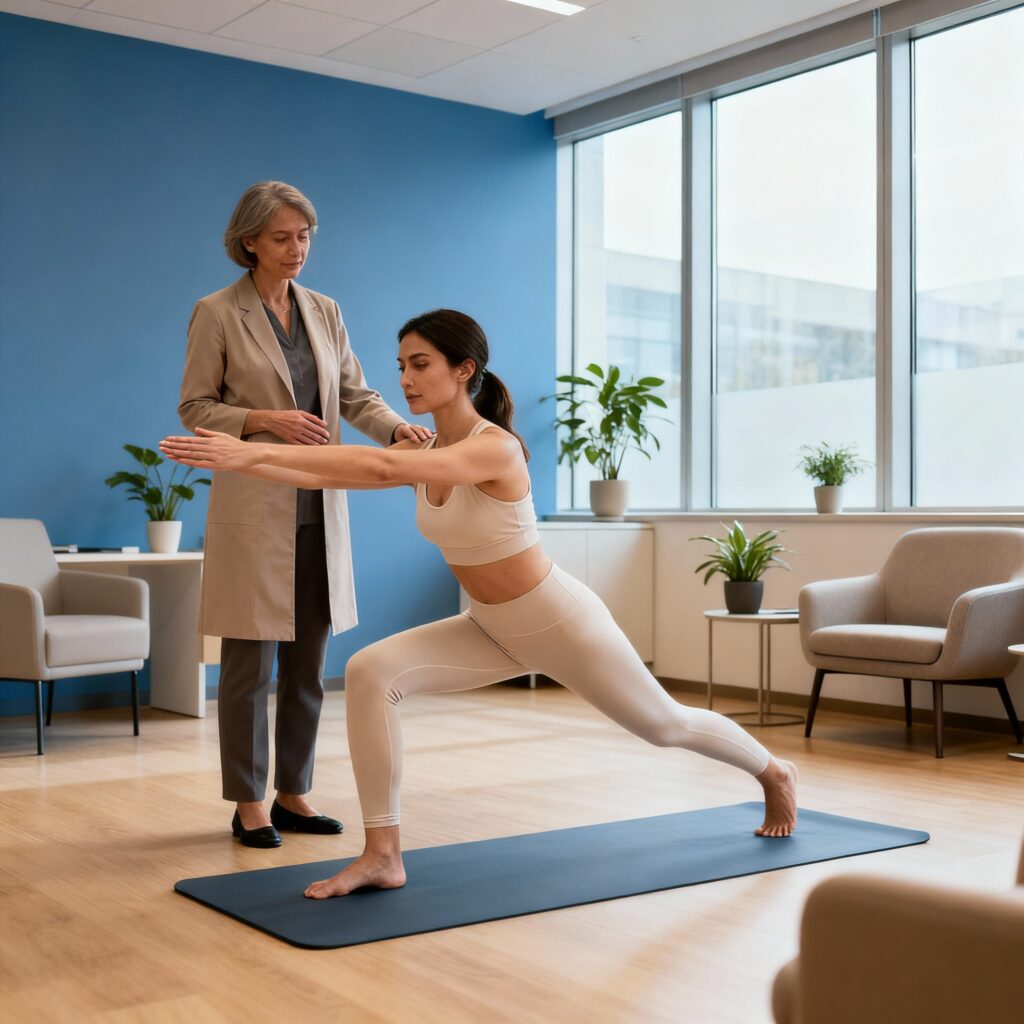
One of the most effective ways to manage nervousness is through physical movement, and Pilates is a great option. Pilates focuses on controlled breathing, posture, and body awareness — all of which directly help calm anxiety. Unlike high-intensity workouts that may raise your stress levels, Pilates centers the body and mind together, helping you release tension gently.
When you practice Pilates on a regular basis, you tune into how your body feels. Being attuned in this way makes you more likely to notice nervousness warning signs early, such as shallow breathing or tension in your muscles. Deep breathing in Pilates engages the parasympathetic nervous system, which lowers stress and anxiety naturally.
Some of the ways Pilates assists with anxiety include:
- Better breathing: Fosters deep and conscious breathing, decreasing the bodily manifestations of anxiety.
- Improved posture: Bad posture may exacerbate anxiety; Pilates emphasizes alignment and relaxation.
- More attention: Focusing on movements directs focus away from worrisome thoughts.
- Mind-body connection: Encourages self-awareness and emotional equilibrium.
If you’re new to Pilates, start with beginner classes. Search online for “Pilates classes near me” or join virtual sessions from home. A 30–45 minute daily routine can work wonders for nervousness management. Over time, Pilates helps your body feel lighter and your mind calmer, making it easier to handle anxiety in daily situations.
3. The Role of Psychiatry in Managing Anxiety
Though lifestyle modification and physical exercises are helpful, at times anxiety must be addressed by a professional. That’s when psychiatry takes center stage. A psychiatrist is a medical specialist who diagnoses and treats mental illnesses, such as anxiety.
If your stress persists or is severe — say, it disrupts sleep, focus, or relationships — a psychiatrist can sort out the cause and create an action plan. Psychiatry therapy for anxiety commonly involves:
- Cognitive Behavioral Therapy (CBT): Assists you in recognizing negative thought patterns that fuel anxiety and replacing them with more positive outlooks.
- Medication: In certain instances, anti-anxiety or antidepressant medication is prescribed to stabilize brain chemicals.
- Lifestyle counseling: Psychiatrists usually advise you on sleep habits, diet, and exercise regimens to facilitate recovery.
Being seen by a psychiatrist does not make you weak or broken. It means that you are actively taking matters into your own hands regarding your mental state. Many find that with psychiatric care, coupled with physical exercise such as Pilates, results in an overall solution for controlling nervousness effectively.
Keep in mind, nervousness is not a failure on your part — it’s an illness that can be treated with the right assistance and dedication.
4. Lifestyle Changes to Overcome Anxiety
Overcoming nervousness may start with the most basic changes in your daily life. Our routine, sleep, and surroundings play an important role in how anxiety arises or fades away. Adopting routine lifestyle changes can significantly contribute to your emotional state.
Here are some real-world lifestyle changes that help alleviate nervousness :
- Prioritize Sleep: Insomnia raises stress levels. Sleep for 7–8 hours each night.
- Eat Balanced Meals: Don’t have excessive caffeine, sugar, and processed food. Opt for foods high in magnesium and omega-3s that balance mood.
- Exercise Regularly: In addition to Pilates, go for walking, cycling, or yoga. Exercise releases endorphins that calm anxiety.
- Limit Digital Overload: Excess exposure to screens and social media can amplify anxiety. Provide yourself with tech-free breaks throughout the day.
- Stay Connected: Share your feelings with a family member or friend. Social connection decreases anxiety and gives comfort.
Small, regular adjustments have lasting impacts. Even 20 minutes of exposure to fresh air, a nutritious breakfast, or conscious breathing can reduce anxiety.
5. Practical Daily Exercises for Anxiety Relief
To deal with anxiety, your mind and body require daily attention. Adding some brief exercises to your daily routine can avoid anxiety accumulation. Some easy exercises that work immediately to decrease stress are mentioned below:
- Deep Breathing: Sit properly, close your eyes, and breathe slowly. Breathe in for four seconds, hold the breath for two seconds, and breathe out for six seconds. Do this for 10 times. It relaxes your nervous system and decreases anxiety right away.
- Shoulder Rolls: Break up tension that has accumulated in your shoulders from anxiety. Roll them back and forth for 30 seconds.
- Leg Raises: Lie on your back, slowly lift your legs, and lower them slowly. This targets your core and enhances concentration.
- Pelvic Curl (Pilates exercise): Lie down, bend knees, and lift your hips softly while inhaling deeply. This ensures stability and eases anxiety.
- Mindful Walking: Take a short walk and focus on your surroundings — the sound of your steps, the breeze, or the smell of nature. This helps ground your thoughts and ease anxiety.
These exercises don’t require equipment and can be done anywhere. The key is consistency. Practicing a few minutes every day builds a habit that helps manage stress naturally.
6. Cognitive Techniques to Manage Anxiety
Although exercise is beneficial, stress also must be controlled by mental and emotional perception. Mind techniques discipline your mind to better deal with stressful thoughts.
Some guaranteed ways to manage nervousness follow:
- Thought Journaling: Note down your worrisome thoughts and what makes you think that way. Reading them on paper makes you realize and deal with nervousness more effectively.
- Positive Affirmations: Replace negative thoughts with positive ones such as “I can do this” or “I am safe at the moment.” This reprograms your mind against nervousness .
- Visualization: Shut your eyes and visualize a serene setting. Imagine all details — colors, noises, and smells. Visualization eases nervousness by diverting your attention.
- Grounding Technique (5-4-3-2-1): Identify 5 things you see, 4 things you feel, 3 things you hear, 2 things you smell, and 1 thing you taste. It brings you in the present.
- Cognitive Reframing: When stress speaks “I can’t do this,” flip it into “This is hard, but I’ve done hard things before.
With time, these little mental exercises reprogram your brain to react calmly rather than fearfully. Overnight, stress may never vanish, but with daily practice, it will lose its grip on your life.
7. When to Get Help for stress Immediately
There is no shame in seeking help when stress becomes too much. Some signs are that you should immediately seek professional assistance:
- stress is hindering your work, study, or relationships.
- You have recurring panic attacks or physical tension such as chest pain or breathlessness.
- You are constantly feeling hopeless, fidgety, or numb.
If these behaviors ring a bell, don’t wait. Consult a psychiatrist, counselor, or therapist. They can guide you in creating your own strategy to control your stress efficiently. Mental health care is not an afterthought – it’s a step towards recovery.
There are helplines and online therapy sessions if you ever need help right away. Adding psychiatric treatment to daily Pilates and mindfulness can make a solid foundation for fighting stress.
Frequently Asked Questions (Q&A) Regarding Anxiety
Q1. What is stress, exactly?
stress is a normal emotional reaction to stress, fear, or uncertainty. Stress keeps you on your toes in tough situations. But once stress persists or begins to interfere with daily life, it can be an stress disorder. Individuals with stress typically experience restlessness, rapid pulse, muscle tightness, and difficulty focusing. Simply put, anxiety is your body’s way of saying, “Hey, something is not right.” — but when it refuses to turn off, it requires attention and management.
Q2. What are the most prevalent symptoms of stress?
- stress symptoms differ from individual to individual. Some common symptoms are:
- Racing thoughts and persistent worry
- Sweating, shaking, or thumping heart
- Restlessness or inability to sleep or concentrate
- Irritability or tension in the muscles
- Perception of impending harm or panic
Identifying these symptoms at an early stage can enable you to control stress before it gets out of hand. Even moderate stress need not be neglected, for it may intensify with the passage of time if not treated.
Q3. Why does stress arise in the first place?
stress can be due to a variety of reasons, mental as well as physical. A few common ones are genetics, imbalance of brain chemistry, traumatic events, or chronic stress at work, relationships, or studies. Lack of sleep, too much caffeine, or too little exercise can also lead to stress. Usually, it is not one single reason — stress is mostly caused by a combination of biological, psychological, and environmental factors.
Q4. Does exercise such as Pilates actually alleviate stress ?
Yes, definitely. Pilates is one of the best exercises for easing stress. Pilates is all about breathing, posture, and being present in the moment — all of which calm the nervous system. When you regularly practice Pilates, your body secretes endorphins, which naturally lower stress levels. The deep breathing exercises employed in Pilates enhance oxygen supply to the brain, making you feel calmer and more centered. Most individuals who take Pilates classes indicate that stress symptoms start to subside within weeks.
Q5. How frequently should I perform Pilates to alleviate stress?
Adequate management of stress requires performing Pilates a minimum of three to five times every week. Every session lasts 30 to 45 minutes. But even 15 minutes a day can be beneficial if you remain consistent. The intention isn’t physical exercise but creating a habit that keeps your mind focused and not anxious. Pilates, over time, is not just a workout but a means of letting go of tension and keeping your emotions level.
Q6. What is the role of psychiatry in treating stress?
Psychiatry plays a vital role when stress becomes severe or long-term. A psychiatrist can diagnose the type of stress disorder you’re experiencing and suggest treatment options like therapy or medication.
Many people benefit from Cognitive Behavioral Therapy (CBT), which helps reframe negative thought patterns that fuel anxiety. Others may need short-term medication to regulate brain chemicals. Psychiatry doesn’t just focus on symptoms — it aims to find and treat the root cause of stress.
Q7. Is medication for stress safe to take?
Medication from a trained psychiatrist is safe if used properly. SSRIs or anti-depressants are common anti-stress medications that maintain the level of serotonin in the brain. Medication alone is not the full solution. It functions well when accompanied by therapy, exercise, and good habits.
You never start or discontinue stress medication on your own; you must first consult your physician. Proper advice will help you manage stress safely and successfully.
Q8. Can anxiety go away on its own?
Mild stress may dissipate if you eliminate stressors or modify your lifestyle. However, chronic stress hardly ever disappears on its own. stress becomes stronger if left alone because the mind conditions itself to remain in a state of perpetuation of fear.
The most effective way to rid oneself of stress is with a combination of methods — including exercise, relaxation exercises, therapy, and medicinal assistance when appropriate. Activating change is what causes stress to disappear in the long run.
Q9. Can you decrease anxiety naturally without taking medication?
Yes, there are a number of natural methods to manage anxiety:
- Breathing exercises: Deep breathing immediately calms your nervous system.
- Meditation: Helps you concentrate and keep a check on anxious thoughts.
- Balanced diet: Eating foods high in vitamins, minerals, and omega-3s nourishes the brain.
- Sleep: 7–8 hours of sleep prevents mood swings.
- Physical exercise: Daily workouts such as Pilates, yoga, or walking release stress.
These techniques can certainly decrease the stress level, although they might not completely dispel it.
Q10. Why can breathing help to lower stress?
Breathing exercises directly influence your body’s stress response. When you’re anxious, your breathing becomes shallow, signaling your body to stay alert. Deep breathing reverses that by activating the parasympathetic nervous system — your body’s natural relaxation mode.
Techniques like “4-7-8 breathing” (inhale for 4 seconds, hold for 7, exhale for 8) can reduce stress almost instantly. Practicing controlled breathing daily helps regulate emotions and brings a sense of calm.
Q11. What is the difference between stress and stress?
Though they both feel the same, stress is typically an immediate reaction to something outside of us such as deadlines or tests. When things pass, so does the stress. Stress , though, persists even when no reason is present. It tends to derive from internal concern or fear.
Stress can create anxiety if not dealt with correctly, but anxiety lasts longer and might need more serious care or counseling.
Q12. When do I need to see a psychiatrist for anxiety?
You need to see a psychiatrist when stress begins interfering with your daily life — e.g., if you are unable to sleep, focus, or socialize because you worry continually.
If you have panic attacks, physical complaints such as tightness in your chest, or persistent feelings of hopelessness, you should see a psychiatrist. The sooner you seek help, the less likely stress is to get worse and the better you will feel overall.
Q13. Do lifestyle changes actually help with anxiety?
Indeed, lifestyle changes can significantly alleviate stress. Your routines affect your emotional well-being. Sleeping well, having nutritious meals, limiting caffeine intake, and taking breaks from screens all contribute to mental well-being.
Exercising regularly such as Pilates makes your brain release serotonin, a stabilizing hormone for mood. These small changes can have strong long-term impacts against stress.
Q14. Can anxiety be completely cured?
There is no magic pill for curing anxiety, but it can be successfully treated and decreased to a level where it no longer dominates your existence. With regular therapy, self-care, exercise, and in some cases medication, numerous individuals drive stress symptoms nearly away.
The trick is to be persistent and patient. Recovery does not happen overnight, but every little bit adds up to long-term peace.
Q15. Can anxiety return after being treated?
Yes, anxiety can return if stress levels rise again or healthy habits slip away. However, once you’ve learned techniques to manage anxiety — like breathing, meditation, and mindfulness — you’ll be better equipped to handle future triggers.
Think of anxiety management as ongoing maintenance for your mental health, similar to exercising to keep your body fit.
Q16. What can I do to help a friend or relative who has anxiety?
Empathy and patience are needed to help someone who has stress. Listen to them, reassure them, and suggest professional help if appropriate. Do not say “just relax” or “stop thinking too much,” as this makes them feel like they are being misunderstood.
Instead, invite them to accompany you for a walk, Pilates, or mindfulness practice. Sometimes, simply being present for them mitigates their stress.
Q17. Can anxiety influence physical health?
Yes, chronic stress can influence your physical health. Long-term stress raises cortisol levels, and that can lead to fatigue, headaches, digestive issues, or high blood pressure. Stress may even impair the immune system in the long run. That’s why stress should be treated early not only for mental well-being but also for physical health. A healthy mind always helps a healthy body.
Q18. What is the optimal long-term strategy for coping with stress?
The optimal strategy for coping with stress long-term is a holistic one:
Regular exercise such as Pilates
Regular sleep routine
Mindfulness and meditation
Balanced diet
Accessing psychiatric advice when needed
Using these methods together allows both your mind and body to remain in equilibrium. Coping with stress is a process — it’s about discovering what works for you and doing it consistently.
Q19. What is something to keep in mind when working with stress?
Keep in mind that stress does not make you who you are. It is an affliction, not a personality trait. There are many people who have stress and still lead fulfilling, productive lives. The point is to confront it with openness and determination. Through Pilates, therapy, or small daily acts, each effort you take gets you one step closer to peace.
Q20. Last thoughts on beating stress?
Conquering stress is a process that requires time, patience, and practice. You may not be cured overnight, but with each step — each deep, calm breath, each Pilates class, each therapy session — something adds up. The idea isn’t to be completely rid of anxiety but to be able to manage it so you live openly and boldly. Remember, there is always help and healing
Conclusion
stress can be an unwanted guest that just won’t depart, but the ability to control it lies within you. By learning about stress, doing Pilates, embracing a balanced lifestyle, and getting psychiatric consultation when necessary, you can take genuine strides towards peace of mind.
Each individual’s path with stress is different. Some succeed with daily Pilates, others with therapy or meditation. Most importantly is being consistent — making small decisions every day that lower stress
little by little.
You are worthy of being calm, confident, and in control. Keep in mind that stress is not who you are. With the right mindset, movement, and medical care, you are capable of transcending it and living a life that is full of balance and strength.
noicceee