
Table of Contents
Introduction
Mental illness is a significant issue these days since daily stress, lifestyle, and emotional pressure are taking a toll on individuals more than ever before.
Most individuals are suffering in silence from symptoms of depression and anxiety, but they do not speak up since they fear judgment, shame, or misunderstanding. Mental illness is more than the absence of sickness. It is about balance in emotions, peace of mind, and being able to live life clearly and confidently.
Many people mistake normal sorrow with depression. Sorrow is transient and tends to disappear when things improve. Depression is profound and persistent. It impacts mood, thoughts, energy, and even relationships. When depression symptoms begin interrupting the usual routine, it is a indicator that one needs mental health care.
Nowadays, increasing numbers of individuals are experiencing anxiety and depression symptoms, sometimes unknowingly.
Social comparison, excessive thinking, loneliness, pressures of school, relationship tension, bad news, financial concerns, and lifestyle problems all fuel mental pressure. Most people neglect the initial warning signals because they believe it will “go away by itself,” but that hold-up tends to exacerbate symptoms.
In this blog, you will discover what anxiety and depression really are, how to recognize the signs of depression, and simple strategies to overcome them. The idea is to help you better understand your mind and take small but significant steps towards healing.
By the time you finish reading this guide, you will have a good understanding of recognizing symptoms of depression early and how to deal with them in a positive, healthy, and mild manner. Before we dive into solutions, we need to first learn about the origin of anxiety and depression.

2. Understanding Anxiety and Depression
2.1 What is Anxiety?
Anxiety is a normal emotional reaction to stress or uncertainty. It is a nervousness, fear, or worry that appears when the brain perceives danger. A little bit of anxiety is regular and sometimes useful, because it keeps us on our toes. But if anxiety turns perpetual and impossible to control, it hampers mental peace and makes day-to-day matters appear unsafe or impossible.
2.2 What is Depression?
Depression is a mood disorder in which an individual feels prolonged sadness, hopelessness, and loss of interest in activities that were previously enjoyable.
Unlike fleeting sadness, depression alters the way a person behaves, feels, and thinks. It also creates physical and emotional symptoms of depression that may persist for weeks or months if left untreated.
2.3 How Anxiety and Depression Are Related
Anxiety and depression usually coexist. If a person is always anxious and excessively concerned, it takes away their energy and emotional strength over time. This chronic stress results in depression symptoms like loss of motivation, lethargy, and negative self-perception.
In some individuals, depression emerges first, followed by the emergence of anxiety as a response to being trapped or out of control. Both share a connection through overthinking, emotional tension, and low mood.
2.4 Widespread Myths Surrounding Anxiety and Depression
Most people don’t take mental health seriously due to myths and misconceptions such as:
“It’s just overthinking, not an issue.”
“Strong individuals don’t get depression.”
“You simply ‘snap out of it’ if you make the effort.”
“Depression equates to laziness.”
These myths compel individuals to conceal depression symptoms rather than looking for assistance.
2.5 Why People Ignore Early Depression Signs
The majority of people ignore early depression signs because:
They believe it is temporary fatigue or mood swings
They do not want others to judge them
They are afraid of being seen as weak
They believe asking for help is an admission of failure
But if these signs are ignored, the condition develops silently. Awareness at the right time makes recovery simpler and faster.

3. Common Depression Symptoms (Core Section)
Knowing depression symptoms enables you to recognize them early and act accordingly. They manifest in various aspects of life: emotional, physical, behavioral, and cognitive.
3.1 Emotional Depression Symptoms
These include mood changes and emotional responses:
Most of the day feeling sad
Hopelessness or emptiness without a specific reason
Unexplained crying fits
Severe feelings of guilt or worthlessness
Loss of interest in pleasant activities
These emotional symptoms of depression cause an individual to feel isolated from themselves and others.
3.2 Physical Symptoms of Depression
Depression does not only influence the mind. It also influences the body:
Persistent exhaustion or lethargy
Headache or body ache
Sleep pattern changes (too much or too little)
Low energy even after rest
Appetite changes (overeating or loss of appetite)
These physical symptoms of depression tend to confuse individuals since they think depression is only a “mental” condition, but it also directly influences the body.
3.3 Behavior Symptoms of Depression
They influence everyday habits and lifestyle:
- Social withdrawal or staying away from friends
- Loss of interest in activities
- Procrastination
- Sleeping in bed for longer periods
- Avoiding conversation
Behavior symptoms of depression tend to develop over a period and make it hard to keep up with everyday routines.
3.4 Cognitive Symptoms of Depression
They impact the pattern of thinking as well as decision-making:
- Inability to concentrate
- Forgetfulness
- Overthinking bad things
- Self-blame
- Feeling in your head
Cognitive symptoms of depression impact productivity, ability to learn, and self-confidence.
3.5 Mild vs Severe Depression Symptoms
Mild symptoms may show up as fatigue, low mood, or irritability. Severe symptoms are feeling numb, losing the desire to perform simple tasks, or withdrawing for extensive periods.
Severe depression symptoms can also induce destructive thoughts. Identifying the difference guides decision-making when to seek assistance.
3.6 When to Seek Help
You should look for assistance if:
- The symptoms of depression have been present for longer than 2 weeks
- They affect work, studies, or relationships
- You do not find enjoyment in activities anymore
- Your appetite and sleep have significantly changed
You recover easily and faster with professional advice early on.
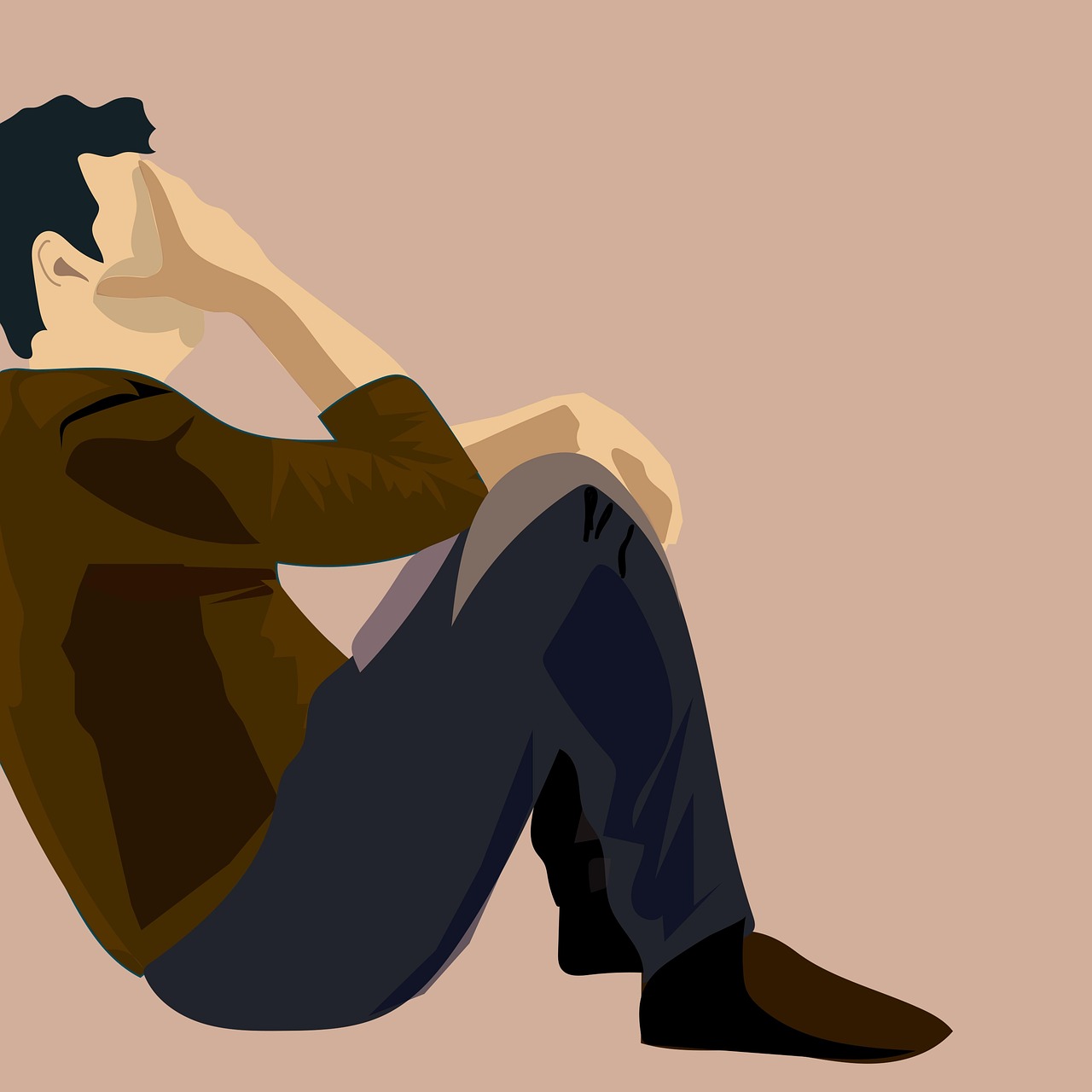
4 – 7 Strong Methods for Beating Anxiety & Depression Symptoms
You now know what anxiety and depression are. Let’s proceed to solutions. Here are the 7 strong methods that are easy, implementable, and can be done by anyone.
You don’t need dramatic changes in lifestyle right away. Small positive steps also keep decreasing depression symptoms over time.
METHOD 1: Mindfulness & Breathing Exercises
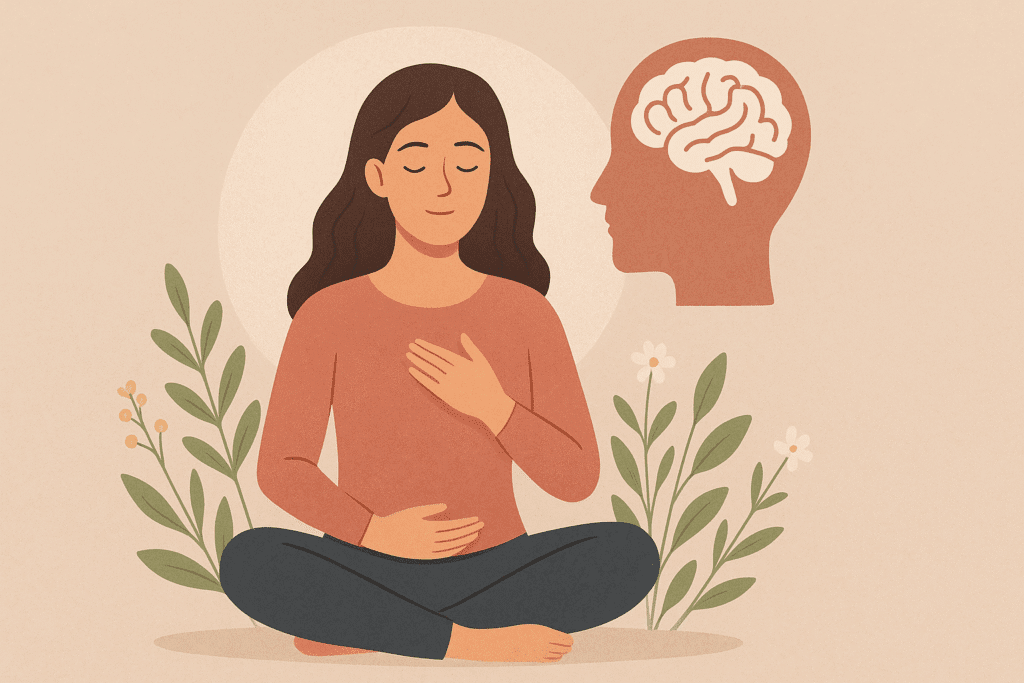
Mindfulness is being present in the here and now without being judgmental towards yourself. Anxious or depressed people typically dwell either in the past (regret, sorrow) or the future (anxiety, fear). Mindfulness brings your mind back to the “now.”
Breathing relaxes the nervous system, lowers stress hormones, and brings clear thinking.
A straightforward practice:
- Sit comfortably
- Breathe in slowly for 4 seconds
- Hold for 2 seconds
- Breathe out slowly for 6 seconds
- Repeat 10 times
Performing this every day, even for 5 minutes, decreases emotional tension and naturally controls depression symptoms.
WAY 2: Physical Exercise & Easy Workouts
Exercise enhances mood by releasing “good-feeling” brain chemicals such as serotonin and endorphins. Exercise is not just for physical fitness; it is also a therapy for the mind.
When one is bogged down with depression symptoms, they feel low energy and motivation. Exercise gradually begins to bring back that energy.
You don’t need to go to a gym. Begin with:
- A 10-minute walk outdoors
- Light stretching
- Yoga or simple home exercises
When the body gets moving, the mind starts to heal.
WAY 3: Balanced Diet & Healthy Food Choices
What you eat influences your energy and mood right away. Processed foods, too much sugar, or irregular eating can exacerbate depression symptoms by affecting hormones and digestion.
Food to promote mental wellness:
Bananas, nuts, seeds (increase serotonin)
Leafy greens (nourish brain function)
Whole grains (stabilize energy)
Water and herbal teas for hydration
Healthy nutrition provides the brain with what it requires to decrease depression symptoms and anxiety.
WAY 4: Journaling & Emotional Release
Most people hold back their emotions because they don’t want to be a burden to others. But unresolved thoughts stack up and become emotional weight. Journaling releases what the mind is carrying.
You can write:
- How you feel today
- What upset you
- What you want to change
- What you’re thankful for
Writing provides emotional clarity and lessens inward pressure. Journaling prevents depression symptoms from accruing silently over the long term.
WAY 5: Creating a Supportive Support System
Humans recover through connection. If you talk to someone you trust — a friend, brother, counselor, or relative — it feels comforting and puts things into perspective. When you express the way you feel, the burden becomes lighter.
Individuals experiencing depression symptoms tend to withdraw from others as they feel alienated. But connecting with even a single supportive individual decreases loneliness and emotional tension.
WAY 6: Restricting Social Media & Negative Triggers
Exposure to constant comparison, negativity, or criticism on social media can escalate anxiety and depression symptoms. What you read online affects you offline.
To guard your mind:
- Unfollow negative or triggering users
- Cut down scrolling time
- Replace online time with offline hobbies
- Social media detox facilitates mental breathing room and promotes positive thinking.
WAY 7: Professional Treatment Options
Lifestyle changes alone are not always sufficient, particularly when symptoms of depression are overwhelming or persistent. Therapy offers guided assistance in such situations.
Typical treatment options are:
- Talk Therapy (to articulate emotions and recover from past hurts)
- Cognitive Behavioral Therapy (CBT) for shifting negative thought processes
- Medication as needed (only by a psychiatrist)
There is nothing “weak” about seeking assistance. As we go to a doctor for bodily sickness, therapy is counseling for emotional health. Professional assistance makes a solid foundation for recovery.

5. Lifestyle Changes That Promote Healing
Mental well-being can be influenced by even the tiniest daily routines. These lifestyle changes function in tandem with the above-mentioned 7 and accelerate the healing from symptoms of depression.
5.1 Sleep Hygiene
Poor sleep is one of the most powerful causes of depression symptoms. Try:
- Sleeping at a set time
- Avoiding screens 30 minutes prior to sleeping
- Having a relaxing bedtime routine
- Good sleep supports emotional balance.
5.2 Spending Time in Nature
Sunlight boosts serotonin, which has a direct impact on mood. A short morning walk or some time in a garden can lift mental heaviness and aid healing.
5.3 Practicing Gratitude
Writing 3 things you are thankful for every day reconditions the brain for positivity. This is an effective way to combat negative thinking associated with depression symptoms.
5.4 Creative Hobbies
Painting, music, dance, reading, or creative crafts allow one to express emotions without words. Creative activities reduce stress and provide the mind with a soothing respite from repetitive thought.
5.5 Saying No to Toxic Situations
Occasionally, symptoms of depression are not the result of the person, but of their surroundings — a bad relationship, nasty words, unrealistic demands, or coercion. Boundary setting safeguards emotional energy.
6. Early Diagnosis vs Delayed Response
Most individuals only become serious about mental health when the condition is at a critical point. Yet, early awareness can avoid long-term misery.
6.1 Why Individuals Postpone Seeking Assistance
Individuals postpone assistance because they feel:
“It will improve on its own.”
“Other people have greater issues, I need to remain silent.”
“I don’t wish to disturb anyone.”
“I have to remain strong.”
But delays enable depression symptoms to deepen.
6.2 Long-Term Consequence of Not Treating Symptoms
Depression symptoms left untreated can cause:z
6.3 Advantage of Early Awareness
If you act early:
- Recovery is quicker
- Symptoms remain mild
- Emotional stability is regained earlier
- Life becomes manageable once again
6.4 Emotional Strength
Resilience refers to the ability to recover from emotional difficulties. Developing small daily routines such as exercise, mindfulness, and journaling bolsters emotional resilience and decreases symptoms of depression in the long term.
7. Small Steps in Your Daily Life You Can Do Today
Creating overnight changes might seem daunting. The secret to coping with anxiety and depression symptoms is taking small, regular steps. Here are easy steps you can do immediately today:
7.1 5-Minute Morning Routine
Begin each day with 5 minutes of peace. Sit still, breathe deeply, and make an intention to have a positive day. Even a minute or two of conscious breathing or stretching decreases morning dread and gets the mind ready to cope better with depression symptoms.
7.2 Thought Replacement Exercise
Negative thinking exacerbates depression symptoms. Every time you catch a negative thought, replace it with a positive or neutral affirmation. Example:
Negative: “I can’t do anything right.”
Positive Alternative: “I am doing the best I can.”
Positive: “I am doing my best, and that is enough.”
This habit slowly reconditions the brain to concentrate on solutions instead of agonizing over problems.
7.3 One Positive Action Every Day
Small positive behaviors will lift mood:
- Smile at somebody
- Call a friend or relative
- Praise yourself
- Take a short walk
These activities build positivity and decrease depression symptom intensity.
7.4 Tips for Building Habits
Consistency is more crucial than intensity. Try:
- Adding one healthy habit at a time
- Celebrating small victories
- Having a basic checklist
- Paying yourself a break
These practices strengthen emotional resilience and prevent further symptoms of depression over time.
8. When To Consult a Professional
It is very important to know when to seek professional help. There are warning signs that mean professional help should be sought out right away.
8.1 Warning Signs
Get professional help if you experience:
- Persistent sadness or irritability
- Inability to perform daily activities
- Suicidal or self-harm thoughts
- Extreme sleep and appetite disturbances
These are severe depression symptoms that must be treated by a professional.
8.2 Red Flags You Can’t Afford to Ignore
- Hopelessness that lasts
- Emotional numbness
- Intense loss of interest in all things
- Thoughts that life is not worth living
- Ignoring them can make the condition worse.
8.3 Visiting a Therapist for the First Time
If you’re anxious about going to therapy:
- Keep in mind it’s a judgment-free, safe environment
- Therapists are trained professionals to help you navigate depression symptoms
- Your initial session is just to express and get to know your emotions
- Even merely talking can ease emotional pressure.
8.4 Encouraging Others to Seek Help
If you observe a loved one with symptoms of depression, encourage them to:
- Talk freely about their feelings
- Begin small activities such as journaling or conscious breathing
- See a therapist if the symptoms continue
Your support will go a long way towards their recovery.
9. Frequently Asked Questions (FAQ)
9.1 Are depression symptoms temporary or permanent?
Depression symptoms are normally transient when they are treated early. Most individuals recover fully with effort over time, dietary change, and professional advice.
9.2 Can exercise actually alleviate depression symptoms?
Yes. Exercise releases endorphins and serotonin, which enhance mood and alleviate anxiety. Short daily walks also help control depression symptoms.
9.3 Is everyone on medication?
Not all people require medication. Mild symptoms of depression can be helped through lifestyle adjustment, mindfulness, and support networks. Severe or long-lasting symptoms can benefit from medication as well as therapy.
9.4 What should I do if I see symptoms of depression in me?
Begin by accepting your emotions. Then:
Monitor your symptoms
Speak with a friend or a supportive family member
Seek therapy if the symptoms linger
Implement small positive routines
9.5 Can anxiety develop into depression?
Yes. Chronic anxiety adds to emotional tension, which can develop into depression symptoms if not addressed. Early intervention stops escalation.
10. Conclusion
Anxiety and depression symptoms are common mental health issues, but they can be managed with awareness, patience, and active steps.
By recognizing the signs early and applying the 7 effective strategies described in this guide, you can systematically regain emotional equilibrium and mental acuity.
Remember: small steps matter. Mindfulness, exercise, nutrition, journaling, support systems, digital detox, and professional help work best when combined consistently.
Recovery is a journey, not a race. Celebrate small victories, stay patient, and keep focusing on positive changes.
Stepping forward — identifying symptoms of depression and responding to them — is the strongest decision you can make for yourself. Mental health is an ongoing priority, and each decision you make today makes tomorrow brighter.
Hi just wanted to give you a brief heads up and let
you know a few of the pictures aren’t loading properly.
I’m not sure why but I think its a linking issue. I’ve tried it in two different web browsers and both show the same outcome.