
Table of Contents
Introduction: Finding Calm in Motion
You know how overwhelming anxiety attacks can feel if you have ever had them. Your chest tightens, your breathing shallows, and your mind races like a storm you cannot escape from. But what if the body could be your tool for peace and not be your enemy?
Calisthenics or bodyweight training helps you channel anxiety into controlled movement, releasing tension to build lasting mental and physical strength.
Unlike heavy gym sessions or cardio bursts, calisthenics encourages fluid, mindful motion. You do not need any special equipment or a membership. Just your body, space to move, and a few minutes of focus. Every move helps in building physical strength along with stabilizing the mind and grounds you when anxiety attacks try to take over.
In this blog, discover how calisthenics can help you stop anxiety attacks fast and improve your balance, breathing, and body control. You’ll also find nine moves to keep your nervous system calm and your body strong from the inside out.
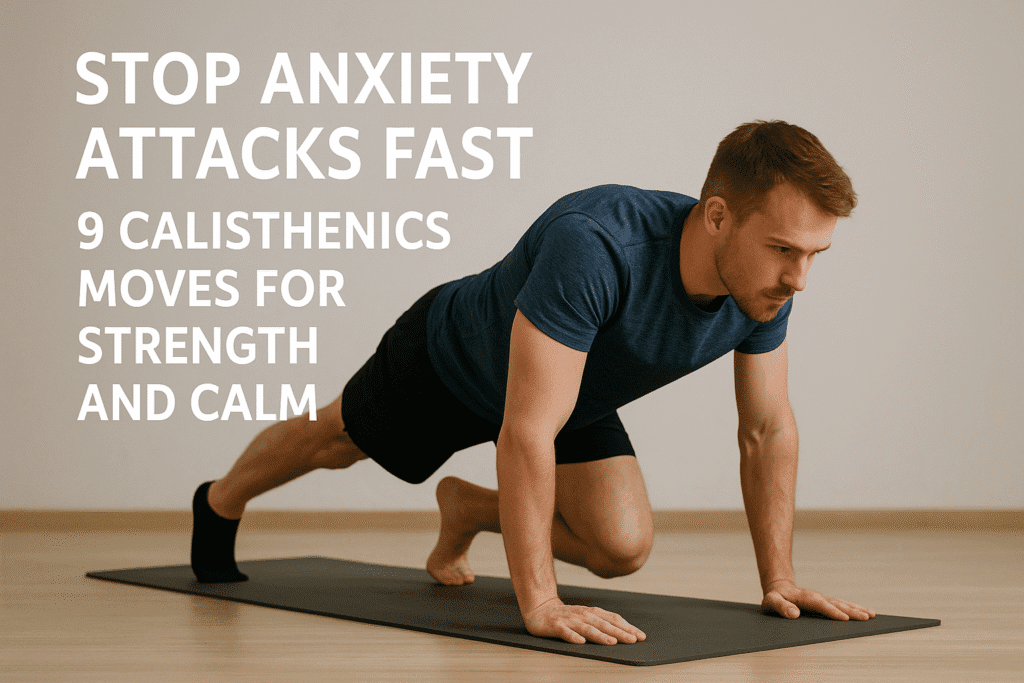
1. Understanding Anxiety Attacks: What’s Going On Inside You
Anxiety attacks often strike without warning, but they are rooted in deeper physical and emotional causes. Confront any stress or fear, and your brain quickly secretes adrenaline and cortisol-the hormones that prepare you to either fight, run away, or freeze.
This survival response is handy in life-and-death danger but debilitating if turned on too frequently.
Common signs of an anxiety attack include:
- Fast or irregular heartbeat
- Trembling or shaking
- Shortness of breath
- Chest pressure or dizziness
- Feeling detached or out of control
These symptoms might be frightening, but they’re not signs of weakness; they’re your body’s way of trying to protect you. During anxiety attacks, the problem is that your body stays in “alert mode” even after the threat has disappeared. That’s where calisthenics come in.
Through its slow and intentional movements, calisthenics works at normalizing your breathing, releasing pent-up tension, and rewiring your body’s response to stress. This is not about “fighting” anxiety attacks; rather, it is about training your body to deal with them calmly and, at the same time, strongly.
2. How Calisthenics Helps with Anxiety Attacks
Calisthenics combines movement, focus, and breath-three elements that have been proven to reduce anxiety. Here’s how it works on several levels:
A. Controls breathing
This, in turn, when you move rhythmically, your breathing naturally deepens. Deep and controlled breathing signals your brain that you are safe to help you stop anxiety attacks before they peak.
B. Builds Confidence and Control
Calisthenics teaches you to control your own body weight. Every push-up, every squat, or every hold is a small victory rebuilding confidence. This sense of physical control translates into emotional stability, especially when one has to face anxiety attacks.
C. Releases Physical Tension
Anxiety often conceals itself in your shoulders, neck, and back. Bodyweight training stretches and strengthens those areas, releasing the stiffness that feeds anxiety.
D. Increases Endorphins
Calisthenics releases endorphins, the natural chemicals that elevate your mood. They improve your overall sense of well-being and help balance stress hormones.
3. The Mind-Body Connection: Training Calm Through Movement
Anxiety attacks tend to be instances when the mind and body seem disconnected: your thoughts spiral, and your body reacts in panic. Calisthenics reconnects the two through mindful movement.
With each repetition, the opportunity arises to concentrate on how your body feels-the stretch in your muscles, the rhythm of your breath, the stability of your core.
As time goes by, this awareness fortifies the “communication” from your brain to your body. You begin to realize the early signs of anxiety attacks and start responding calmly instead of going into a panic.
Mindful calisthenics also condition your nervous system to deal with stress more effectively. As your body learns steadiness through challenging poses or holds, your brain starts to apply the same steadiness during stressful moments outside of your workout.

4. Preparing for Your Calisthenics Session
It’s great that you want to get into an exercise routine, but before you start one, especially if you’ve been having frequent anxiety attacks, you must set the right foundation.
Warm-up Tips:
- Begin with 5–10 minutes of light movement, such as walking or shoulder rolls.
- Practice deep belly breathing: inhaling through your nose, exhaling through your mouth.
- Focus your attention on one simple intention: “I’m moving to find calm.”
Environment:
Find yourself a quiet, open space. Natural light or neutral backgrounds help your mind connect exercise with safety. Keep distractions away, and try not to compare your progress to others; this is about your personal journey through managing anxiety attacks and building strength.
5. Calisthenics Moves to Stop Anxiety Attacks and Build Strength
Following are nine consciously selected exercises that work your body and soothe your mind. Remember to move with awareness, focusing on your breath.
Move 1: Deep Squats – Grounding the Mind
Why it helps: Squats connect you to the ground, giving a physical sense of stability-a powerful counter to the “floating” or dizzy feeling during anxiety attacks.
How to do it:
- Stand with your feet shoulder-width apart.
- Keep your back straight and your core engaged.
- Inhale deeply as you lower the body, exhale as you rise.
- Repeat for 15–20 slow reps.
Tip: Pay attention to the action of your feet pushing into the ground. Visualize any anxiety leaving through your legs as you stand.
Move 2: Wall Push-ups – Building Control Through Breath
Why it helps: Wall push-ups are an easy yet effective way for beginners. The movement regulates your breathing and helps in controlling your racing thoughts.
How to do it:
- Facing a wall, stand with your hands at chest level.
- Take one step back, keeping your body upright.
- Inhale and lower your chest toward the wall.
- Exhale while you push back to starting position.
Mental Cue: With every push away from the wall, you are pushing anxiety out of your mind.
6. Calisthenics Recovery: What to Do After an Anxiety Attack
Once the anxiety attack has passed, your body is often very drained. You can recover quicker from this if you follow a light routine of calisthenics afterward.
A. Soft Motion Instead of Stillness
Try not to just collapse onto the bed straight away. Move your body slowly — walk around your room, stretch your arms, or do a few deep squats. This tells your nervous system that your body is still working and in control.
B. Focused Breathing
Sit or lie down comfortably. Inhale through the nose for four seconds, hold for two, exhale for six. Repeat five times. It works through controlled breathing to restore the oxygen balance in the body and prevent the next anxiety wave.
C. Hydration and Reflection
Anxiety attacks can cause sweating and dehydration. Drink a glass of water, then reflect on what triggered the episode. Awareness helps you identify patterns and regain emotional control over time.
D. Gratitude Cooldown
Conclude every session with a short list of gratitude, even the most minor things you are thankful for. Gratitude actually switches the parasympathetic nervous system on, which reduces stress and supports mental healing.
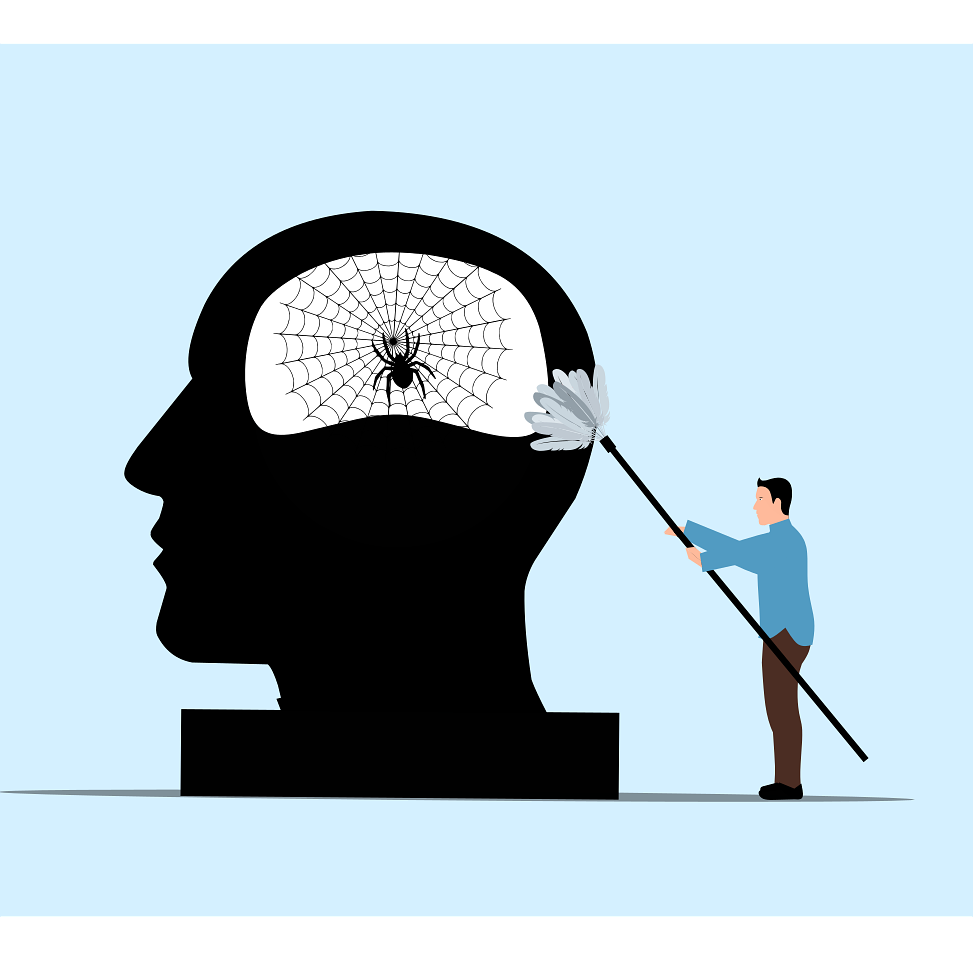
7. How Calisthenics Rewires the Brain During Anxiety Attacks
Your brain is not static; it changes with every experience through a process called neuroplasticity. Calisthenics uses this to your advantage.
Consciously moving sends messages back to your brain that signal your body is safe and powerful. Those messages disrupt the panic loop feeding anxiety attacks. Your brain will learn, over time, that movement equates to calmness, not chaos.
The Science Behind It:
Exercise increases serotonin and dopamine, which stabilize mood.
Rhythmic movement increases GABA, the neurotransmitter which reduces anxiety.
It does this by teaching your amygdala-the brain’s fear center-to respond less hotly to a particular stressor.
Every time you do calisthenics more consciously, you are literally training your brain to be grounded under pressure.
8. Beginner vs Advanced Calisthenics for Anxiety Management
Everybody’s anxiety level and fitness capacity differ. Calisthenics is adaptable for both the complete beginner and accomplished user.
For Beginners:
- Begin with low-impact moves: wall push-ups, shoulder rolls, and deep squats.
- Emphasize slow breathing, rather than speed or repetitions.
- Practice 3 times a week for 20–25 minutes.
Goal: Build routine and trust in your body’s strength.
For Intermediate/Advanced:
- Add plank variations, burpees, and pull-ups to really test your focus.
- Incorporate balance-based exercises, such as single-leg squats.
- Increase your sessions to 4–5 times a week.
Goal: Employ intensity for training discipline and mental stamina, both of which are important defenses against anxiety attacks.
9. Nutrition and Lifestyle Recommendations to Help with Calisthenics Training
Even the best workout routine won’t work if the body and mind aren’t nourished properly.
A. Eat Balanced Meals
- Focus on foods that support mental clarity and energy:
- Complex carbs: oats, brown rice that stabilize blood sugar.
- Lean proteins, such as eggs, lentils, tofu, for muscle repair.
- Omega-3 fats (nuts, fish) reduce the symptoms of anxiety.
B. Hydrate
Dehydration may mimic or worsen the symptoms of anxiety attacks, such as rapid heartbeat or dizziness. Keep a bottle of water nearby during workouts.
C. Prioritize Sleep
Your brain needs rest in order to process emotional stresses. Not getting enough sleep heightens the body’s response to stress, and anxiety attacks can become more frequent. Get 7 to 8 hours of sleep at night.
D. Limit Caffeine
Caffeine can cause jitters much like anxiety does. If you find your heart is racing or you cannot sit still, cut down on consumption and switch to herbal teas.
10. Turning Anxiety into Strength: Real-Life Inspiration
Calisthenics brought stability to many people who were struggling with anxiety attacks. It’s not about building just muscles; rather, it’s about building resilience.
Story Example:
One college student once described how she’d freeze during presentations, her body trembling, and her breath short. When she started doing calisthenics-even just 10 minutes a day-she noticed that her breathing became deeper and steadier.
Over time, her anxiety attacks reduced, replaced by a quiet confidence she hadn’t felt in years.
Your body can become your greatest support system, if you train with care and patience. Every repetition is a lesson to your mind to trust your body again.
11. Calisthenics and Mindfulness: The Power of Present Movement
The real value of calisthenics lies in being able to practice it mindfully. Instead of a workout, it should be thought of as meditation in motion.
When you’re focusing solely on the rhythm of breathing and the sensation of your muscles, there is no possibility for wandering into anxious thoughts. Your mind is present. And presence is the opposite of panic.
Try this small mindfulness exercise during your next session:
As you inhale, silently say: “I am safe.”
As you exhale, say, “I am calm.”
Repeat this through your workout. Such affirmations help you anchor your thoughts while moving through anxiety.
12. Long-Term Benefits of Calisthenics for Anxiety Control
Consistent practice of calisthenics brings about lasting improvement in physical and mental well-being.
Physical Benefits:
Improved muscle tone and stamina
Better posture and circulation
Stronger heart and lungs
Mental Benefits:
Fewer anxiety attacks with reduced cortisol levels
Better concentration and sleep quality
Stronger sense of self-control
With time, anxiety attacks start to become less intense and less frequent. The goal isn’t perfection, it’s progress.

13. Things to Avoid When Utilizing Calisthenics for Anxiety Attacks
While calisthenics are safe, a few common mistakes can slow down your progress:
- Doing too much too soon: Overtraining increases stress hormones.
- Neglecting rest days: Rest is what keeps the nervous system in balance.
- Holding your breath: Shallow breathing triggers anxiety; always exhale fully.
- Comparing yourself to others: It’s about your growth, not the performance of others.
- Skipping warm-ups and cool-downs: They prevent injury and regulate your emotional state.
- Be patient and kind to yourself; recovery from anxiety attacks is not linear.
14. Creating a Personalized Calisthenics Plan for Inner Peace
If you’re ready to make this a daily practice, here’s a simple 20-minute plan you can follow:
Time Exercise Purpose
0–3 min Warm-up (Shoulder rolls, light jog) Wake the body
3–8 min Deep squats, wall push-ups Grounding and control
8–12 min Plank hold, cat-cow stretch Balance tension 12–15 min Mountain climbers Release energy
15–18 min. Superman hold strengthen and concentrate
18–20 min Child’s pose + breathing Relaxation and reset
You can repeat this routine 3–5 times a week, adjusting the pace as you grow stronger.
Frequently Asked Question and Answer
Q1. How can calisthenics help reduce anxiety attacks?
Calisthenics helps reduce anxiety attacks by regulating breathing, releasing endorphins, and improving blood flow to the brain. Exercises like push-ups, squats, and planks involve large muscle groups, increasing oxygen levels and calming down the nervous system.
The regular practice of bodyweight workouts also teaches the skill of focus and discipline, thus making the mind less reactive during moments of stress or panic.
Q2. What are the best calisthenics moves to stop anxiety attacks fast?
Deep breathing push-ups, wall sits, jumping jacks, planks, and yoga-style stretches, including but not limited to the child’s pose, are some of the most effective calisthenics moves when trying to control anxiety attacks.
In addition, these exercises engage both the body and mind, lower adrenaline levels, and release physical tension. For quick relief, concentrate on slow, rhythmic movements with mindful breathing.
Q3: Can beginners do calisthenics for anxiety and strength building?
Yes, calisthenics is ideal for beginners, involves no gym equipment, and can be tailored to all fitness levels. Start with light movements such as modified push-ups, wall sits, or leg raises.
What works more than the intensity of the exercises is consistency. Even 10-15 minutes daily will build strength and reduce the frequency of anxiety attacks noticeably over time.
Q4. How often should I do calisthenics to prevent anxiety attacks?
Aim for at least 4 to 5 sessions a week for 20–30 minutes each. Calisthenics works best when combined with good sleep, hydration, and mindful breathing.
A short session each day—just some stretching and deep breathing—could help stabilize your mood and make your body less sensitive to the triggers of anxiety.
Q5. What should I do if I experience an anxiety attack during exercise?
The moment the attack strikes when you are in the middle of an exercise, then you must immediately stop and breathe slowly. Sit or lie down, take deep breaths through your nose for 4 seconds, hold for 2 seconds, and slowly breathe out through your mouth for 6 seconds.
Do not push your body to the limit. When calm, do light stretches or grounding movements, like walking in place.
Q6. Does it develop mental strength as well?
Of course, it does. Calisthenics builds up not just your physical strength but also mental resilience. While challenging your body, you train your mind to handle discomfort, manage your emotions, and focus under pressure.
This will make you less prone to overthinking and panic responses over time and more confident in facing everyday stresses.
Q7. Can I combine calisthenics with meditation for better results?
Yes, adding meditation or yoga breathing to calisthenics will have better calming effects. Try starting your workout with two minutes of deep breathing, or at the end, practice short mindfulness meditation.
This will help balance out your hormones, reduce cortisol levels, and prevent future anxiety attacks-more than exercise alone.
15. Conclusion:
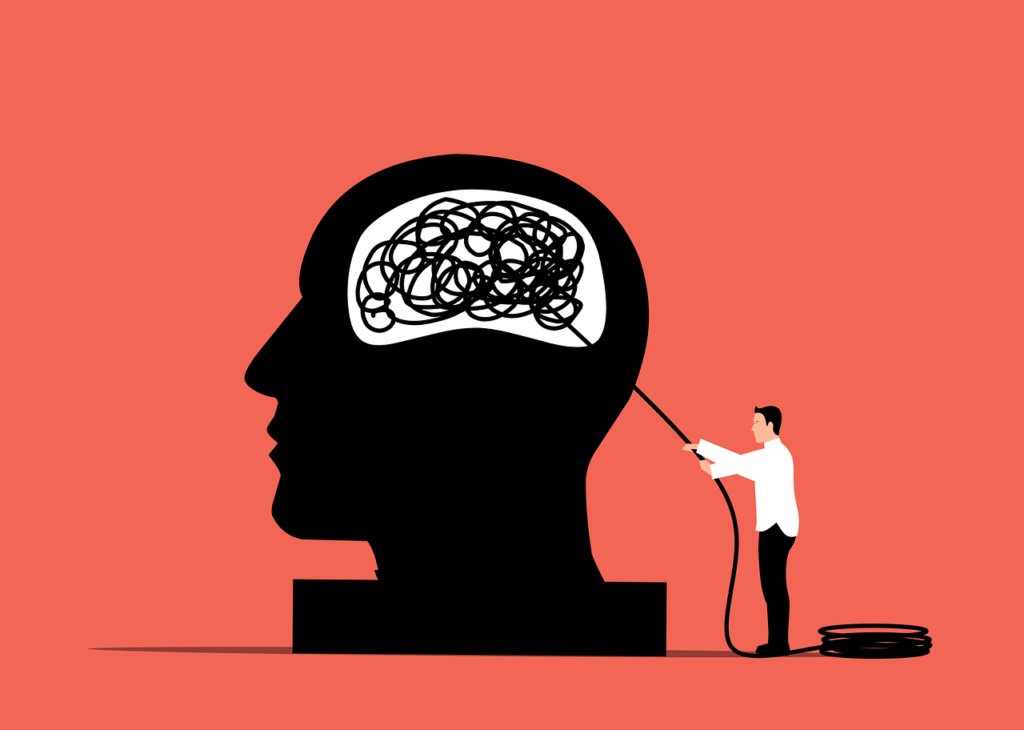
You Are Stronger Than Your Anxiety Anxiety attacks may be very overwhelming, but you are not helpless. With every step, every breath, every new point of contact with reality, you prove that calm is a skill, not luck. Calisthenics will not only change your body, but it also teaches you about resilience.
It reminds you that strength is not about muscular build but about showing up, even when your mind seems to be heavy. With every squat, every hold, every breath, you’re retraining your body to trust itself again. The panic might come, but now you have the tools to move through it-literally.
Remember that your body was built to adapt, grow, and overcome. So next time you feel an anxiety attack building, drop into movement. Breathe. Let your strength guide you back to calm.