
Compound Exercise
Table of Contents
1- Introduction:
Why Compound Exercises Are the Key to Muscle Growth
If you’re serious about building size, strength, and an impressive physique, you need to understand one thing: compound exercises are the real foundation of muscle growth.
These are not your average, run-of-the-mill gym moves that lock onto one particular muscle. Instead, compound exercises recruit many different muscle groups at once, forcing your body to lift heavier, move smarter, and grow stronger.
Think of compound exercises as the heavy artillery of strength training. Exercises such as squats, deadlifts, bench presses, and pull-ups do not act on a single area but are systemic movements that engage your whole system.
This basically means that your body will work harder and burn more calories while producing higher levels of anabolic hormones, such as testosterone and growth hormone-the very same hormones responsible for muscle hypertrophy and weight gain.

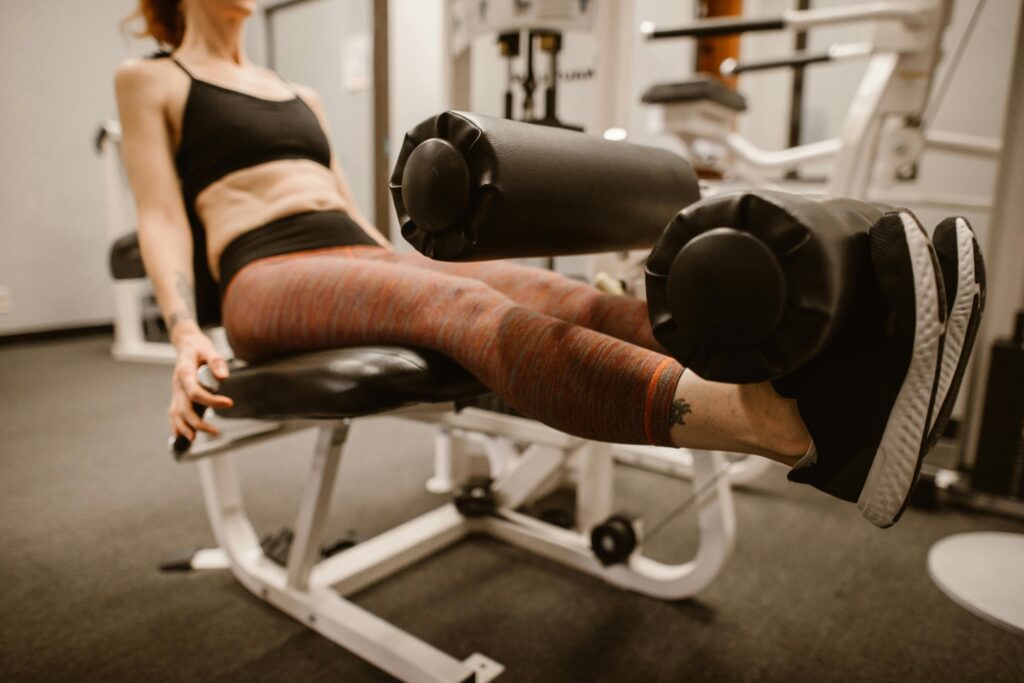
Probably the biggest mistake made by beginners is spending too much time on isolation workouts, such as bicep curls or leg extensions.
Yes, they make the muscle look nice, but they do not stimulate full-body growth to the same degree that compound exercises do. If you want to gain real mass and strength, you have to train your body as one unit-not in parts.
The beauty of compound exercises lies in their efficiency: You do not have to invest hours into doing dozens of small movements.
A few big, multi-joint lifts performed with correct form can trigger massive hypertrophy while concurrently improving coordination, balance, and power. They make workouts shorter, more effective, and far more rewarding.
The other reason compound exercises play an important role in growth involves progressions of overload-the process of progressively increasing the weight or intensity over time.
Because these exercises let you use heavier loads, you can easily push your limits and break through plateaus faster than you will be able to with isolation moves.
In other words, if you wish to gain weight, build muscle mass, and get raw strength, compound exercises should form the heart of your training program. They’re brutal, demanding, and unforgiving-but they deliver the kind of results that isolation exercises never will.
2- The Science Behind Hypertrophy and Weight Gain
To build serious muscle, it takes more than just motivation-you need to understand the science behind hypertrophy and how compound exercises directly fuel it.
Hypertrophy simply means muscle growth, which happens when your muscle fibers are broken down during resistance training and rebuilt stronger during recovery. The greater the tension, volume, and metabolic stress you apply, the bigger and stronger your muscles become.
This is where compound exercises reign supreme. Because these movements involve multiple joints and muscle groups simultaneously, they generate significantly more mechanical tension-the number one driver of hypertrophy.
When you squat, deadlift, or press, your body has to coordinate dozens of muscles to stabilize, lift, and balance the load. This full-body stress triggers a powerful anabolic response: it increases muscle protein synthesis and releases growth-promoting hormones.
Now compare that to isolation movements-such as bicep curls or leg extensions-which only affect one muscle and create less overall tension. Isolation exercises can refine muscle definition but won’t come close to competing with compound exercises in terms of efficiency when your goal is weight gain and hypertrophy.
Another scientific edge of compound exercises is energy demand. Because these movements require more effort, your body burns more calories during the training and even after the workout — something that is called EPOC, or Excess Post-Exercise Oxygen Consumption.
In simpler words, you continue burning calories while your muscles are repairing, which means better nutrient utilization and faster recovery.
Progressive overload also plays a huge role here. In the case of compound exercises, the increase in weight or intensity can occur smoothly, and hence, the body adapts to this by growing.
An example would be increasing the load on your squat by 5-10% after some time, which will keep rebuilding the quads, glutes, and core with thicker muscle fibers. The heavier and more complex the lift, the greater the hormonal and muscular response.
Effectively gain weight by combining your compound exercises with a calorie-surplus diet: eating more than you burn. Add high-quality protein, carbs, and fats to support recovery and muscle synthesis.
Sleep and rest are equally critical: muscle growth takes place outside the gym when your body repairs the microscopic tears created during training.
In other words, compound exercises are scientifically proven to be the fastest route to hypertrophy. They hit a lot of muscles all at once, amplify hormonal output, and create the perfect environment for muscle growth and sustainable weight gain.
3. Advantages of Compound Exercises over Isolation Workouts
Compound exercises far outperform their isolation movement counterparts when it comes to building strength and mass.
People commonly waste hours performing a myriad of isolation sets, whether it be bicep curls, triceps kickbacks, or leg extensions, which work only one muscle at a time.
The opposite is true with compound exercises, which recruit several muscles and joints together to give you more results in less time.
The most apparent advantages of compound movements are in muscle synergy-multiple muscles working together in harmony. Essentially, when you do a bench press, for example, you are not just training your chest; your shoulders, triceps, and core are heavily involved, too.
This will build balanced muscular growth and improve functional strength-meaning your power will carry over into everyday activities and athletic performance.
The other big positive regarding compound exercises is the effect on building strength. Because these lifts allow heavier weights and higher tension, your nervous system adapts by recruiting more muscle fibers more efficiently.
Neurologically, this means you become stronger in all movements, not just in the gym but in real-life applications of lifting, pushing, pulling, and stabilizing.
Another factor is time efficiency. Instead of spending an hour training each muscle separately, compound exercises let you hit multiple areas at once.
You can work nearly every major muscle in the body in less than an hour with a workout built around squats, deadlifts, bench presses, pull-ups, and rows. To a busy individual or an athlete, that efficiency is priceless.
Compound lifts will also have a big metabolic effect. Due to the extra oxygen and energy expenditure required for compound exercises, your heartbeat increases, burning more calories during and even after your workout.
Therefore, they will promote not just hypertrophy but also fat loss to give your physique that dense, defined look rather than soft, bloated muscles.
On the hormonal side, compound exercises elicit higher levels of testosterone and growth hormone than isolation work. These hormones are key players in muscle hypertrophy and weight gain.
By challenging your body with heavy, multi-joint movements, your endocrine system responds by releasing more of these anabolic hormones, accelerating muscle repair and growth.
In other words, compound exercises give you more strength, more muscle, more endurance, more balance, and more efficiency than isolation training ever can.
If you’re training for real hypertrophy, build your program around these lifts. Isolation work can refine your shape, but compound exercises create it.
4- 7 Brutal Yet Powerful Compound Exercises for Insane Hypertrophy
If your goal is to gain serious muscle mass and strength, these compound exercises will be your ultimate weapons. Each movement here builds raw power, functional muscle, and balanced hypertrophy across your entire body. Let’s break down the seven brutal yet powerful lifts that define real growth.
1- Barbell Squat – The King of Compound Exercises
The barbell squat forms the foundation of every strong physique. It works your quads, glutes, hamstrings, core, and even your back. In one move, it triggers the release of massive anabolic hormones and builds the lower body like no other.
Tip: Keep your chest up and your core tight, driving through your heels. Avoid rounding your back.
Squats are the most complete compound exercise for strength and hypertrophy; they demand full-body control and push your limits every session.
2. Deadlift – The Ultimate Full-Body Power Move
The deadlift works your posterior chain: hamstrings, glutes, lower back, traps, and forearms. It’s brutally effective for total-body growth and grip strength.
Tip: Ensure to keep your spine neutral, bar right against your shins, and core engaged.
It is an exercise that has no match with regard to the stimulation it provides to general muscle recruitment and testosterone production.
3- Bench Press – The Upper-Body Mass Builder
Nothing builds a thick, strong chest like the bench press. It works your pecs, triceps, and front delts while demanding total upper-body coordination.
Hint: Make sure your back is always slightly arched and your shoulders retracted.
Among the compound exercises, this exercise defines upper-body hypertrophy.
4- Overhead Press – The Shoulder Strength Machine
The overhead press develops massive shoulders and strong cores. Indeed it is a classic compound exercise that definitely requires balance and strict form.
Tip: Keep wrists stacked over elbows, avoiding leaning back too far.
5- Pull-ups – The Bodyweight Beast
Pull-ups are a vicious way to test one’s body strength, targeting simultaneously the lat muscles, biceps, and core.
Tip: Go full range of motion and control the descent.
Few compound exercises can hone a back like this.
6- Bent-Over Rows – For a Thicker, Wider Back
Rows develop the lats, traps, and rear delts while enhancing posture.
Tip: Keep a flat back and controlled pull.
This compound exercise will add density and strength to your upper body.
7. Lunges – For Balance, Stability, and Growth
Lunges target quads, hamstrings, and glutes while enhancing coordination and mobility.
This compound exercise improves unilateral strength, which is important to achieve balanced hypertrophy.
Together, these seven compound exercises form the core of any effective muscle-building program. They demand discipline and perfect form-but they deliver unmatched results for hypertrophy, weight gain, and overall performance.
5. How to Structure a Compound Exercise Workout Plan
It is not about simply doing random lifts; it’s about smart programming. A well-structured workout plan, with the core of compound exercises, ensures progressive overload, recovery balance, and steady hypertrophy. The right plan lets you train hard, recover fully, and grow consistently without burnout or injury.
The best way to organize compound exercises for hypertrophy is through a Push-Pull-Legs split. This system simply divides your training into three main sessions:
- Push Day: Bench press, overhead press, dips, squats.
- Pull Day: Deadlifts, pull-ups, barbell rows.
- Leg Day: Squats, lunges, Romanian deadlifts.
Each day focuses on movements that complement each other, while resting the opposing muscle groups. You can execute this split 3–6 times a week, depending on recovery capacity and training experience.
For hypertrophy, shoot for 3–4 sets per exercise with 6–12 reps per set; this range will build both size and strength. Beginners should start with lighter weights and perfect their form before loading heavy.
Intermediate and advanced lifters can use progressive overload: Increase weight, reps, or intensity each week to continue challenging the muscles.

A sample compound exercise plan might look like this:
- Day 1 (Push): Barbell Bench Press, Overhead Press, Weighted Dips, Squats
- Day 2 (Pull): Deadlift, Pull-Ups, Bent-Over Rows, Face Pulls
- Day 3 (Legs): Squats, Lunges, Romanian Deadlifts, Calf Raises
- Day 4: Rest or Active Recovery (mobility work, stretching, light cardio)
Keep rest between sets around 60–90 seconds for hypertrophy and 2–3 minutes for strength-focused lifts. Too little rest limits recovery; too much lowers workout intensity.
Start each session with an appropriate warm-up consisting of dynamic stretches, light cardio, and activation drills for the muscles that will be trained. Proper mobility work prevents injuries and improves one’s range of motion, both important in executing compound exercises safely and efficiently.
Finally, track every session. Record your sets, reps, and weights. Progressive overload is measurable only if you track your growth continually. Without tracking, your growth stalls.
A structured plan built around compound exercises doesn’t just add muscle; it develops coordination, endurance, and true functional strength. Stick to it consistently, and the gains won’t just show up in the mirror but also in performance.
6. Nutrition & Recovery for Maximum Hypertrophy
You can lift heavy all day, but without proper nutrition and recovery, your results from compound exercises will stall.
Growth doesn’t take place in the gym; it takes place afterward through recovery, a process in which your body rebuilds and strengthens the muscle fibers you broke down during training. That process needs fuel, rest, and precision.
- Eat for Growth — Calorie Surplus Is Non-Negotiable
The need to gain weight or increase muscle mass necessitates the intake of more calories than are burned. A calorie surplus provides extra energy for the body in repairing tissues and synthesizing new muscle proteins after intense, compound exercises.
First, calculate your maintenance calories, then add 300–500 extra per day. Focus on clean, nutrient-dense foods, not junk calories.
This is what your diet should resemble:
- Protein (1.6 – 2.2g per kg of body weight): chicken, fish, eggs, lentils, tofu.
- Complex Carbs: oats, rice, sweet potatoes, whole grains.
- Healthy Fats: nuts, seeds, olive oil, avocado.
- Micronutrient foods: fruits, vegetables, hydration- important for recovery and hormone function.
Protein is the cornerstone. After every workout, eat a high-protein meal or shake to initiate the recovery and muscle repair process. Without enough protein, even the best compound exercises will not give you the hypertrophy that you are after.
- Recovery: The Forgotten Half of Growth
Your muscles grow while you’re resting, not while you are lifting. Every time you do those heavy compound exercises, you are creating micro-tears in the muscle fibers. Recovery gives your body time to rebuild those fibers thicker and stronger.
Aim for 7-9 hours of quality sleep every night. Sleep deprivation lowers testosterone, slows recovery, and kills your strength progression.
Active recovery days, such as light stretching, yoga, or even walking, improve blood flow and reduce muscle stiffness without overtaxing the system.
- Hydration and Supplements
Dehydration diminishes strength, endurance, and focus. Drink water regularly throughout the day, but especially before and after intense compound exercises.
These supplements-creatine, whey protein, fish oil-can enhance performance and recovery, but they’re secondary to real food and proper sleep.
In other words, your body can grow only as much as you feed and rest. Compound exercises spark hypertrophy-but nutrition and recovery determine how much muscle you actually build. Train hard, eat smart, sleep deep, and your progress will compound just like your lifts.

7. Common Mistakes People Make with Compound Exercises
While compound exercises are arguably the most effective at building muscle and strength, they’re also the easiest to mess up. Because these lifts recruit multiple joints and large muscle groups, even a small technical error can sabotage your progress or lead to serious injury.
If you’re not growing or keep hitting plateaus, then you’re likely making one or more of these mistakes.
- Ego Lifting — Lifting Weight Rather than Focusing on Form
This is the biggest killer of progress, since many lifters load the bar heavier than their actual capacity, sacrificing form for pride. Poor execution reduces muscle activation and increases injury risk, especially in compound exercises like deadlifts or squats.
Focus on controlled reps, perfect form, and full range of motion. Add weight only when you can maintain flawless technique for all sets.
- Not doing warm-ups and mobility work.
That’s a rookie mistake: skipping warm-ups promotes tight muscles and poor performance. Compound exercises require good flexibility, stability, and joint mobility, especially within the hip, shoulder, and spine.
Fix: Begin every session with dynamic stretches, light cardio, and warm-up sets. It prepares your muscles and nervous system for heavy lifting.
3. Neglecting Progressive Overload
Doing the same weight, reps, and sets for months on end will stagnate your growth. Hypertrophy requires consistent adaptation to stress: increased intensity over time. Increase the load, reps, or training volume gradually each week. Track your progress — never guess.
4. Overtraining without recovery
Many believe that the more you train, the greater the gains. Wrong. Overtraining from daily heavy compound exercises leads to fatigue, poor sleep, and strength loss. Schedule rest days, sleep enough, and balance intensity with recovery. Your muscles grow when you rest, not when you lift.
5. Poor Mind-Muscle Connection
Multi-joint lifts make it easy to move weight without truly engaging the target muscles. Slow down the tempo, focus on contraction, eliminate momentum. Quality will always beat quantity.
6. Neglecting Accessory Exercises
While compound exercises build mass, accessory movements fix imbalances and enhance performance. Add in some isolation or stability work to strengthen any weak links and prevent injuries-face pulls or planks are great for this.
Bottom line:
Even the most powerful compound exercises won’t work if you’re performing them carelessly. Master your form, respect recovery, and train with intent-your results will explode when you stop lifting recklessly and start lifting intelligently.
8. Conclusion:
Train Smart, Lift Heavy, Grow Big If you’ve made it this far, you already understand one truth: compound exercises are not just a workout choice; they are a muscle-building philosophy. They define the difference between looking strong and actually being strong.
Anyone can isolate a muscle, but it’s only those who master compound lifts that build a physique powerful, functional, and built to last.
Compound exercises are the backbone of real hypertrophy. They engage multiple muscles, stimulate maximum tension, and trigger the hormonal surge needed for serious growth.
Whether it’s the squat, deadlift, or bench press, these movements challenge your body in ways isolation work never will.
They develop coordination, stability, and strength that translates beyond the gym — into sports, daily life, and overall confidence. And the fact is-this is where most lifters go wrong: results don’t just happen.
You can’t just lazily go through compound exercises and wait for miracles to happen. Growth happens when training, nutrition, and recovery are aligned to perfection.
And it is in the consistency-the discipline of showing up and lifting heavy with proper form, eating clean, and sleeping enough-that the visible transformation is sustained.
If you’re trying to put on weight or build muscle, quit overcomplicating things. Focus on the basics: perform compound exercises 3-5 times a week; track your lifts; eat in a calorie surplus packed full of real nutrient-dense foods; rest properly and avoid ego lifting.
If you do this for three months straight, your physique will look and perform completely different. The reason compound exercises work is simple: They make your entire system stronger.
Your nervous system learns to fire more efficiently, your muscles learn to stabilize under tension, and your hormones adapt to support growth.
You’re not just lifting weights; you’re teaching your body to evolve under pressure. Ultimately, it’s not about following trends or mimicking popular accounts, with hypertrophy; it’s about mastering the fundamentals, which never fail.
And no fundamental is more powerful than compound movements. So, train smart. Lift heavy. Stay consistent. Because when you commit to compound exercises with intensity and purpose, your growth doesn’t just add up-it compounds.
Pingback: 7 Barbell Curl Secrets to Prevent Left Ventricular Hypertrophy & Boost Balance -