
Table of Contents
Introduction
But most beginners entering fitness underestimate one thing: protein. If you don’t consume enough protein, your muscles don’t recover well, your strength barely improves, and your fat loss slows down.
And if you follow a vegetarian way of life, hitting your daily target for protein intake becomes even trickier. That’s exactly why understanding high protein foods for vegetarians is necessary right from the very beginning of your fitness journey.
Whether you want to shred those extra pounds of body fat, lean muscle, or simply gain stamina, your body relies on protein far more than you think.
Many beginners assume that protein comes only from meat, but the reality is that high protein foods for vegetarians can easily match-and sometimes outperform-non-veg protein sources if you choose wisely.
Most vegetarians rely heavily on carbohydrates such as rice, roti, and potatoes. The problem? Those foods give you energy but do nothing for muscle recovery.
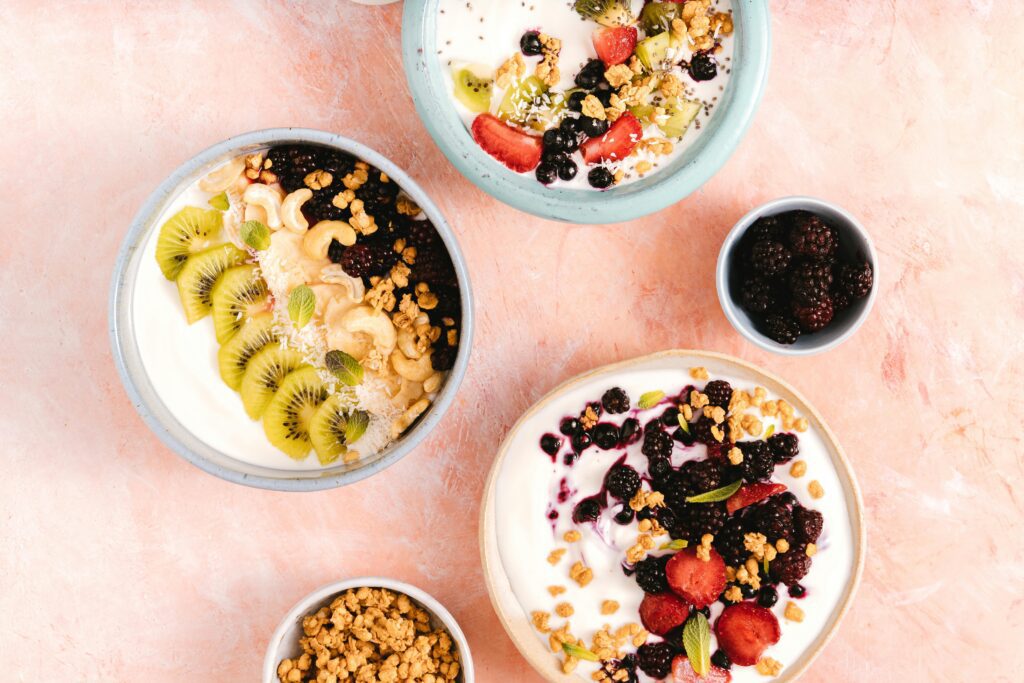
That’s why every beginner, especially someone stepping into a gym routine, needs to identify which high protein foods for vegetarians offer genuine results.
Without consistent intake of proteins, your workout progress will always be average, no matter how regularly you show up. And since you’re building your routine from scratch, now is the perfect time to get your nutrition right.
Why Protein Matters: A Beginner’s Guide
Actually, rebuilding, which your muscles are desperately in need of after training, is performed by protein. Whenever you are on weightlifting or any kind of workout routine, your muscle fibers break down, and protein repairs them, making them stronger.
This is even more critical if you’re a total beginner, as your muscles are trying to adapt to completely new movements. That is why a combination of a beginner workout plan and high protein foods for vegetarians makes sure your efforts are not wasted.
Another mistake beginners make is the belief that only people engaged in heavy lifting require a high intake of protein. That is completely incorrect. Even casual bodyweight exercises, light dumbbell movements, and basic cardio routines create muscular stress.
And without sufficient protein-especially from reliable high protein foods for vegetarians-your body struggles with soreness, fatigue, and slow progress. The more consistently you work out, the more consistently you need protein.
Where many beginners get it wrong is by eating too little. They aggressively cut calories in hope of losing fat at an alarming rate. All that does is hurt your metabolism and dampen your workout performance. The better way to do it: keep calories in check but ramp up the protein intake.
That’s where high protein foods for vegetarians become a complete game-changer. These foods help you stay full for longer, curb the late-night cravings, and promote steady fat loss sans any muscle loss.
Daily Protein Requirements for Vegetarians
Now, let’s talk about actual numbers. A beginner needs at least 0.8-1.2 grams of protein per kilogram of body weight on an average. If you are training regularly, then you need 1.2-1.6 grams. For most vegetarian beginners, this is a big jump from the normal amount.
That is why you must rely on high protein foods for vegetarians to meet your target. If you are 50-60 kgs, you are going to need about 60-90 grams of protein per day. And that is the honest truth, you won’t be touching that number if you depended upon sabzi-roti alone.
This is where intentional meal planning comes in. You need to structure your day around foods that deliver meaningful protein content without forcing you to overeat.
Foods like lentils, chickpeas, tofu, paneer, Greek yogurt, nuts, seeds, and soybeans have to become staples in your routine. But don’t just eat them randomly.
Different foods have different protein densities and digestion speeds, so your diet has to place a premium on high protein foods for vegetarians at every major meal, not just occasionally.
The other mistake people starting off make is that they end up using only dairy as a source of protein. Of course, paneer and curd are great, but excess dairy causes bloating, digestion problems, and excess calories.
You need balance, you need diversity, and you need to understand which high protein foods for vegetarians can be consumed daily without messing up your macro balance.
Top 7 High-Protein Foods for Vegetarians (Core Section Start)
This is where the real value starts to kick in. If you want recognizable results from your workout routine, these seven options must become non-negotiable.
They are practical, affordable, accessible, and effective. More importantly, these seven items represent the strongest foundation of high protein foods for vegetarians; if you use them right, hitting your daily protein goals becomes simple and realistic.
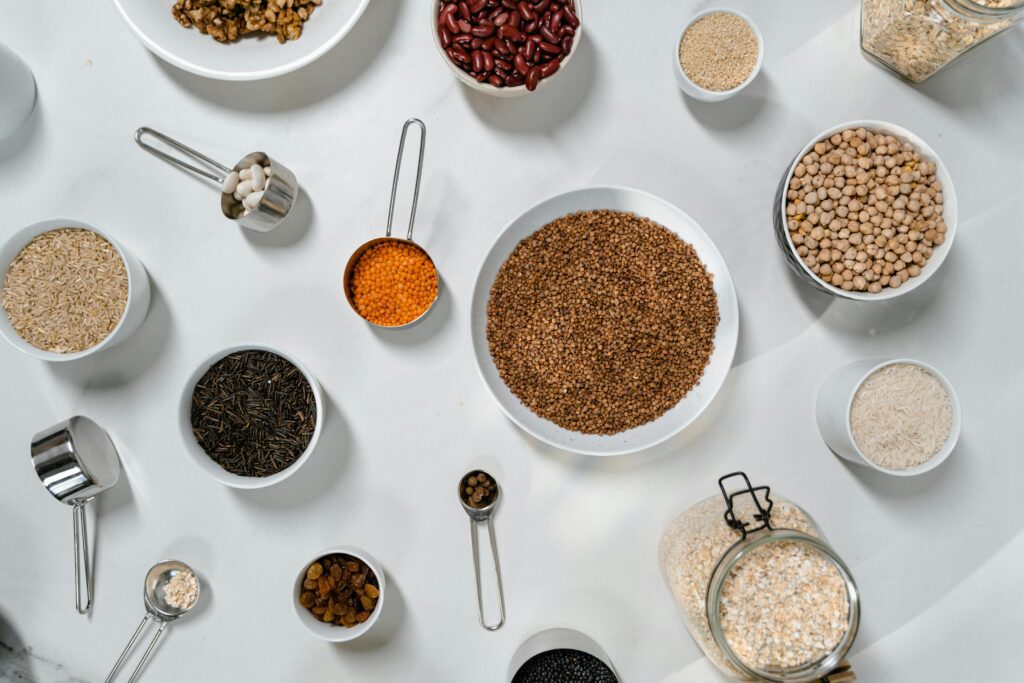
1. Lentils (Dal)
Lentils are one of the most underrated high protein foods for vegetarians, offering roughly 9 grams of protein per 100 grams cooked.
They’re very versatile-you can add them to soups, salads, or khichdi, or just have them with rice or roti. Lentils digest well, give steady energy, and make an excellent base for any beginner’s diet. If you’re serious about progressing in your training, make dal a daily habit.
2. Chickpeas (Chole) & Hummus
Chickpeas are yet another powerhouse of high protein foods for vegetarians, providing 14–18 grams of protein per serving, depending on preparation.
They keep you full for long hours and therefore help reduce unnecessary snacking. Hummus is another great option-just spread it on roti wraps, use it as a dip, or keep it with salads.
Chickpeas will help you both in losing weight and in building muscles because of the high content of fiber and protein in them.
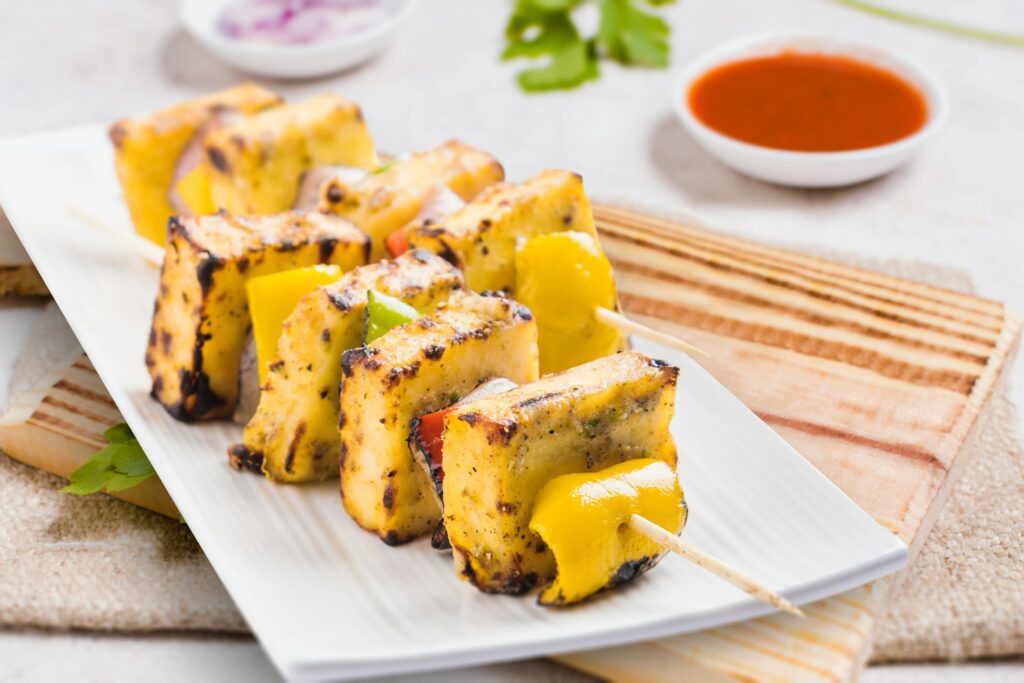
3. Paneer (Cottage Cheese)
Paneer is a staple in almost every vegetarian household, yet it is highly underestimated by beginners. It provides high-quality protein and aids in efficiently repairing muscles.
This makes it one of the most reliable sources of high protein food among vegetarians and especially among gym enthusiasts. The best part?
Paneer is slow-digesting, meaning it keeps your muscles nourished for a longer period. Use it in stir-fries, salads, or grilled forms to keep calories under control.
Top 7 High-Protein Foods for Vegetarians (Continued)
4.4 Greek Yogurt
Greek yogurt requires more attention since it offers nearly double the protein of regular curd. Its thick texture, high calcium content, and excellent digestibility earn it a firm place among high protein foods for vegetarians.
Most beginners who cannot take paneer owing to bloating usually tolerate Greek yogurt easily. It gives you steady energy, improves gut health, and goes well with fruits or oats.
If you work out in the morning, adding a bowl of Greek yogurt to breakfast immediately ups your protein intake without making the meal heavy. For those doing beginner-level workouts, this alone can make recovery noticeably faster.
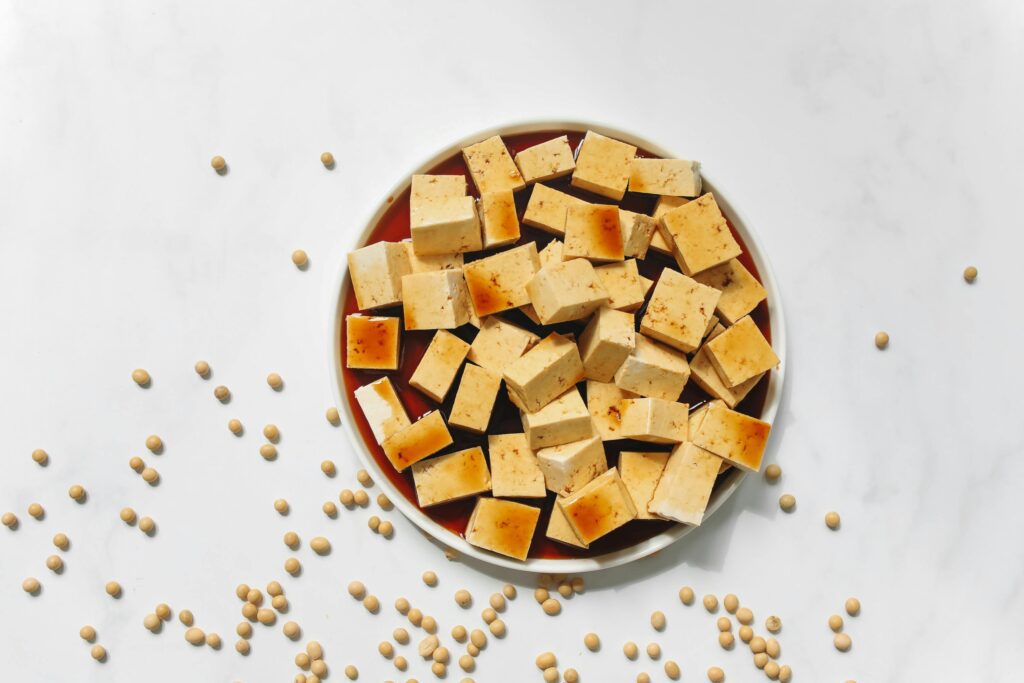
4.5 Soybeans, Tofu & Tempeh
And for good reason: excellent quality of protein, complete amino acid profile, and very affordable foods make soy-based products dominate every list of high protein foods for vegetarians.
Tofu is a great option for beginners who prefer something lighter on the stomach than paneer.Tempeh is even higher in protein and offers probiotics.
Soybeans themselves contain more than 36 grams of protein per 100g raw. If you are new to gym workouts and want a fast and affordable boost, soybean chunks or tofu should be a regular part of your meals.
They help repair muscles quickly and support strength gains much faster than low-protein carb-heavy meals.
4.6 Quinoa
Quinoa is one of those rare plant foods that contains all nine essential amino acids. That instantly places it in the premium category of high protein foods for vegetarians, despite its higher price.
For a beginner, it’s a great replacement for rice since it provides more protein, more fiber, and more minerals. A small cup can keep you full for hours, making it ideal for people trying to manage weight while working out.
Add quinoa to salads, bowls, or simple veggie mixes — it works perfectly without needing complicated preparation.
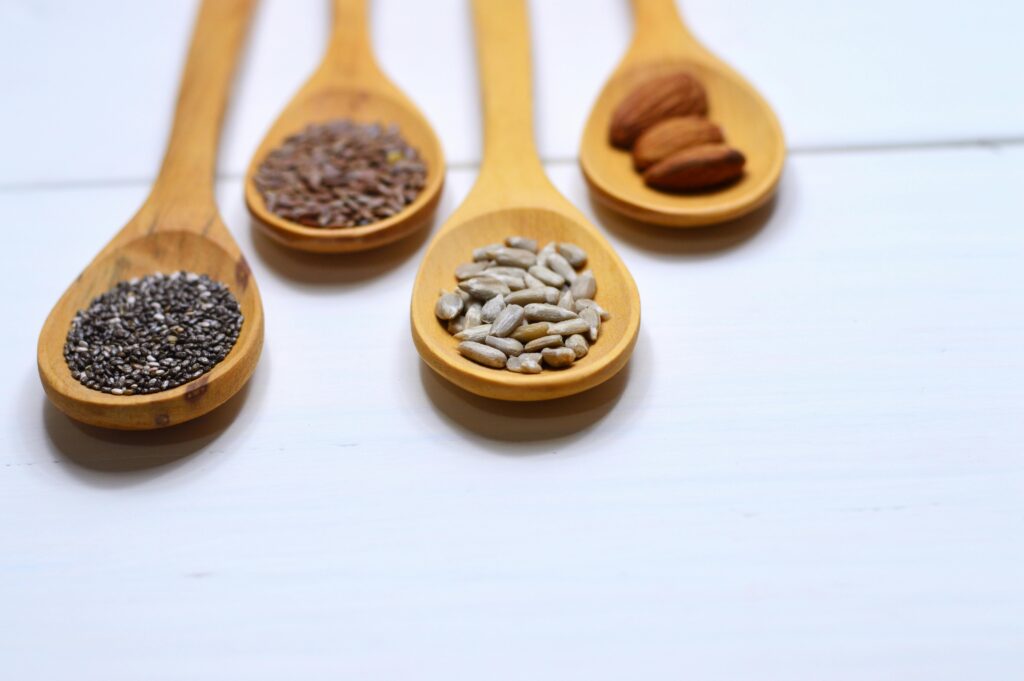
4.7 Nuts & Seeds (Almonds, Chia, Pumpkin Seeds)
Nuts and seeds are compact yet powerful sources of protein, minerals, and healthy fats. While almonds are popular, pumpkin seeds and chia seeds often deliver even more nutrients per serving.
They belong in any serious list of high protein foods for vegetarians because small quantities can deliver a surprisingly large amount of protein.
Beginners should use them as add-ons: sprinkle them on yogurt, blend them into smoothies, or mix them into oats. They’re not a primary protein source but act as strong support foods that make it easier to hit your daily targets.
5. How to Build a Beginner-Friendly Gym Meal Plan Using These Foods
A problem most beginners face is overeating carbs and under-eating protein. Your meals need to centre around reliable high protein foods for vegetarians and not traditional sabzi-roti combinations. Here’s the straight-forward approach:
- Breakfast: Inclusion of yogurt, tofu bhurji, paneer, and lentils.
- Lunch: Add quinoa or brown rice with chickpeas, dal, tofu, or paneer.
- Dinner: Keep it light – tofu stir fry, paneer salad, or dal-chawal with seeds.
The underlying logic is simple: every major meal should provide at least 15–25g of protein.
If you don’t build meals around high protein foods for vegetarians, you’ll end up feeling tired, hungry, and frustrated because recovery from your workouts will lag behind.
Meal timing matters, too. Beginners who train in the evening should consume protein both before and after workouts to maximize recovery.
A small bowl of Greek yogurt or tofu before training and a full meal afterward works well. If you follow morning workouts, have a protein-rich breakfast immediately.
Consistency beats complexity: eating enough protein every day matters more than random “special” meals.
6. Sample 1-Day High-Protein Vegetarian Diet for Beginners
This sample plan uses practical high protein foods for vegetarians that you can actually cook at home. No luxury ingredients. No unrealistic requirements.
- Breakfast
Greek yogurt with chia seeds
1 apple
1 toast (optional)
This combination gives a very strong boost of protein early in the day, keeping digestion smooth.
- Mid-Morning Snack
A small handful of almonds or pumpkin seeds
Not heavy, but adds steady energy and extra protein.
- Lunch
Quinoa bowl with chickpeas, veggies, and tofu
This delivers a complete amino acid profile and ranks high among high protein foods for vegetarians meant for active beginners.
- Evening Pre-Workout
1 glass buttermilk
1 banana
This keeps your energy stable without slowing digestion.
- Post-Workout
Paneer stir fry or lentil soup
This combination helps immediately repair muscle tissue.
- Dinner
Tofu salad or dal-chawal
Finish the day with something light but protein-rich.
This kind of meal plan helps beginners maintain energy throughout the day while strengthening muscles effectively. Without relying on high protein foods for vegetarians, your day would be dominated by carbs, which would leave you tired and under-recovered.
7. Female-Friendly Gym Workout Plan for Beginners
Most female beginners start workouts with unnecessary hesitation. They assume that gym training will make them bulky. That’s wrong.
Beginners, especially women, build lean muscle-not bulky size. To support this process, the workout must be paired with high-protein foods even for vegetarians; otherwise, the progress remains slow.
Beginner Routine (3 Days/Week)
Day 1 — Full Body Strength
- Squats
- Push-ups
- Dumbbell rows
- Planks
Day 2 — Lower Body & Core
- Lunges
- Leg press
- Glute bridges
- Cable crunches
Day 3 — Upper Body & Conditioning
- Shoulder press
- Lat pulldown
- Dumbbell curls
- Treadmill intervals
This routine challenges all major muscles without overwhelming a beginner. But training alone is not enough; one needs to eat consistently to improve strength and stamina.
Without a diet built around high protein foods for vegetarians, these workouts will feel harder, recovery will be slow, and muscle toning will take much longer.
8. Most Common Mistakes Vegetarians Do While Increasing Protein
Most beginners think they are eating “healthy,” but healthy does not exactly mean protein-rich. This is the very reason why a lot of people never manage to see any results whatsoever after weeks in the gym.
To progress consistently, you need to avoid the most common mistakes that stop vegetarians from getting enough protein. The very first mistake is relying too much on dairy.
Of course, paneer and curd are great, but basing your whole diet on them is not a good idea. Variety is what you want, and it comes with using many high protein vegetarian foods throughout the day.
Another big mistake is assuming that traditional meals already have enough protein. Let’s get real for one second – roti, rice, and sabzi hardly supply any meaningful amount of protein.
If those foods dominate your plate, you will always come up short. Most beginners overestimate how much dal or chickpeas they eat in a day. You don’t just need a little bowl.
If you want to hit realistic numbers, you need to have high protein foods for vegetarians at every major meal intentionally, not occasionally or when you happen to remember.
The mistake many people make is skipping post-workout meals. That’s a direct hit at your recovery because your body requires immediate protein right after training, and skipping this window slows down the process of muscle repair.
No supplement can fix the inconsistencies in your eating habits. The onus is on what you eat daily. That’s why creating a structure around high protein foods for vegetarians is something non-negotiable if you want visible results.
The beginners who do not follow these basics remain stuck in the same fitness loop with minimal change.
9. Protein, Vegetarian Diets and Beginner Fitness FAQs
Q1: Do vegetarians get enough protein without supplements?
Yes, but only if you consciously include high protein foods for vegetarians into your meals. If you depend upon ordinary home-cooked meals without planning anything, then you will fall short.
Q2: Are plant proteins complete?
While some are complete proteins, such as quinoa and soy, others require pairing. That is why mixing multiple high-protein foods for vegetarians will ensure one gets all essential amino acids without any gaps in nutrition.
Q3: Is dairy the only strong protein source for vegetarians?
No, foods like lentils, chickpeas, tofu, and soybeans will outperform dairy if used correctly. They remain among the top high protein foods for vegetarians in terms of muscle repair and strength building.
Q4: How much protein should a beginner female consume?
Most female beginners need at least 50–80 grams per day, depending on activity. You don’t need supplements if you’re consistent with high protein foods for vegetarians across meals.
Q5: Can a vegetarian build muscle as fast as a non-vegetarian?
Absolutely, provided there is disciplined eating. If you build meals around high protein foods for vegetarians, your progress can match or exceed non-veg diets.
Q6: Is weight loss possible on a high-protein vegetarian diet?
Yes, protein keeps you full much longer and reduces cravings. With vegetarian high-protein foods, there is increased satiety, and therefore it is easier to control calories.
Q7: Does protein improve energy during workouts?
Yes, adequate protein stabilizes blood sugar, enhances recovery, and improves endurance. But without enough high protein foods for vegetarians, you feel tired faster during workouts.
10. Conclusion
If you are serious about fitness, let this sink in: progress is built on consistent habits, not random motivation spikes. The smartest beginners learn early that training alone isn’t enough.
What you eat decides how fast you recover, how strong you become, and how much fat you lose. This is why high protein foods for vegetarians need to become a central part of your daily routine if you want sustainable results.
You can train five days a week, but if your meals don’t support that effort, your progress is going to stay slow. Muscle repair depends on protein. Strength development depends on protein. Fat loss depends on balanced meals with enough protein.
And if you’re a vegetarian, you must be even more deliberate because your default meals aren’t naturally protein-rich. That’s where incorporating reliable high-protein foods for vegetarians at every major meal makes the difference between average progress and real transformation.
No exotic diets, no expensive supplements, and no complicated recipes are required. You only need two things: consistency and clarity. You build your meals around high protein foods for vegetarians, follow a structured beginner workout plan, and give your body sufficient rest to recover.
If you stick to these three pillars of workouts, protein, and recovery, your results will be measurable within weeks. Most beginners fail because they underestimate the role of nutrition.
Don’t make that mistake. Start off by choosing two or three high protein foods for vegetarians that you can easily eat daily without a struggle. Add more options little by little.
Once this gets into your routine, hitting your target protein levels becomes automatic, while your journey to fitness gets smoother, stronger, and much more rewarding.
Just spent some time on jlsir, seems like a good option. The layout is clean and simple, which I appreciate. Plus, they got some cool promotions running. Worth checking out, for sure: jlsir