
Table of Contents
Introduction
If you have ever thought that vegetarians cannot build muscles as efficiently as meat eaters, now is the time to debunk that myth. With the right mixture of nutrition, consistency, and training, a vegetarian can achieve amazing fitness results.
The secret lies in choosing high-protein vegetarian foods which provide the body with the essential amino acids necessary for muscle growth and recovery.
Whether one is starting a program for beginners at the gym or moving into vegetarianism, protein remains the building block of progress.
Your muscles depend on protein to repair the micro-tears that occur during strength training or HIIT sessions.
Without enough protein, recovery slows down and plateaus. But with a proper plant-based approach, you can build lean, strong, and lasting muscle.
In this first part, we will talk about how protein supports fitness goals, how much you need daily, and also touch on why vegetarians should focus on high-protein vegetarian foods as a way of fueling the gym.
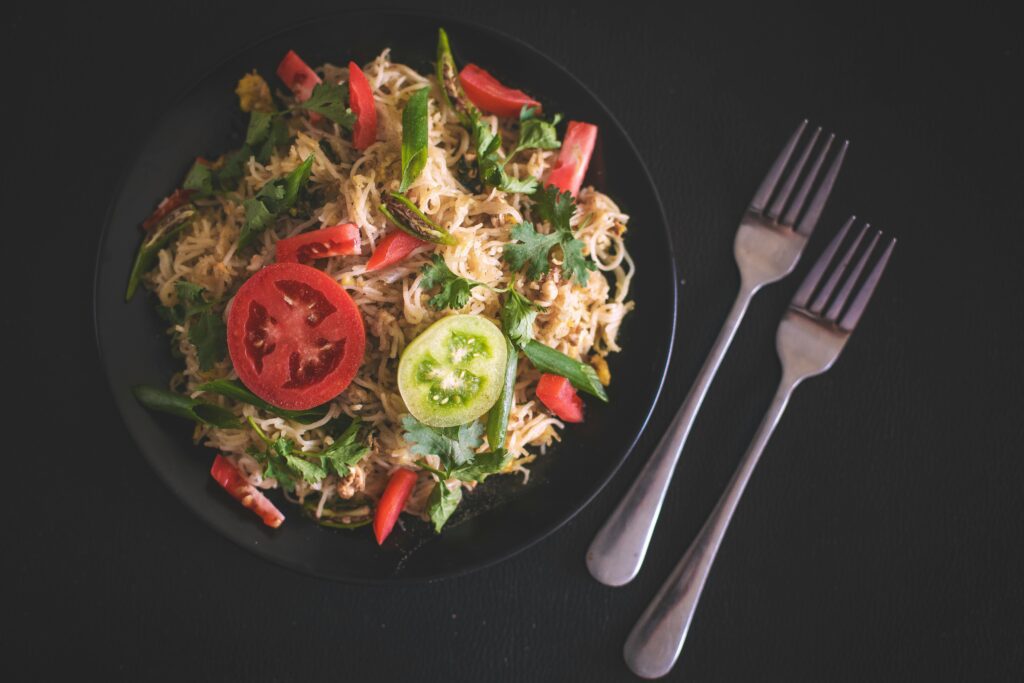
Why Protein Matters for Muscle Growth
Protein is more than a nutrient; it’s the very building block of each one of your muscle fibers. Whenever you are working out-especially in resistance training and high-intensity interval training-your muscles are experiencing stress in a controlled manner.
This stress actually breaks down muscle tissue, which can then be rebuilt stronger and denser through the process of recovery. Protein provides that raw material needed during such rebuilding.
For vegetarians, the challenge isn’t about getting enough food-it’s about getting enough quality protein. Whereas animal-based sources contain complete amino acid profiles, most plant-based proteins are incomplete, containing one or more essential amino acids in low quantities.
When you combine different high-protein vegetarian foods such as legumes, grains, and dairy (if not vegan), it is easy to get your amino acid requirements.
According to food experts, the daily required intake of proteins, for someone who exercises regularly, ranges between 1.2 to 2.0 grams per kilogram of body weight.
For instance, an individual weighing 60 kg will require around 72 to 120 grams of protein daily. Meeting this through vegetarian sources requires smart meal planning—but it’s absolutely achievable.
The Science Behind High-Protein Vegetarian Foods
A well-rounded vegetarian diet can support building lean muscle right through fat loss to energy recovery. Protein not only helps build lean muscle but also helps control hunger, balances blood sugar, and boosts metabolism.
The thermic effect of food-meaning the energy required to digest it-is higher for protein compared to carbs or fats, which means your body burns more calories processing it.
Many people believe that a vegetarian diet lacks variety, or worse, flavor; the reality, however, is that high protein vegetarian foods can come in quite a variety of both delicious and nutritious options.
From lentils to chickpeas, quinoa to tofu, one can enjoy flavorsome meals that keep your muscles nourished without reliance on meat.
Additionally, if you couple it with high-intensity interval training, the results are faster. It is documented that HIIT workouts burn fat while building endurance and at the same time retain lean muscle mass.
For such high-effort sessions to continue, your body requires a continuous intake of protein, and that is another reason why vegetarians should not undermine their protein intake.
Top Benefits of a High-Protein Vegetarian Diet
- Muscle Recovery Improved
Protein helps speed muscle repair after an intense workout. Consuming protein-rich meals following weightlifting or any other high intensity interval training will help minimize soreness and promote recovery.
- Sustained Energy Levels
Quinoa, chickpeas, and nuts are all examples of plant-based proteins that can provide balanced energy. They act in a way to stabilize your blood sugar levels so as to avoid any kind of energy crashes that normally come along with heavy carbohydrate consumption.
- Fat Loss and Metabolic Boost
High-protein foods keep you full for much longer, decreasing extra eating. Besides, during the digestion of high-protein vegetarian food, more calories are burned, which helps your body turn lean.
- More Resilient Immunity
Many plant-based proteins provide added micronutrients, including zinc, magnesium, and iron-all important for immune health and performance.
- Increased Strength and Endurance
When coupled with structured workouts, especially high intensity interval training, protein supports muscle endurance by helping you to go longer and recover quicker.
How to Plan a High-Protein Vegetarian Diet
Once you have decided to cut down on animal products and make your diet more vegetarian protein-based, you definitely are not restricted from simplicity.
Here’s a simplified outline that will work wonders in helping you balance your meal nicely:
Include a Protein Source at Every Meal
Add beans, lentils, tofu, tempeh, or Greek yogurt to your main meals. Let every plate have a clear protein focus.
Mix and Match for Complete Amino Acids
Combine foods like rice and lentils, peanut butter and whole-grain bread, or quinoa and beans. This will ensure you’re getting all the essential amino acids.
Track Your Intake
Track your daily protein intake with a food tracker or fitness app. If you are training regularly, shoot for about 20–30 grams of protein in each meal.
Don’t Forget the Pre- and Post-Workout Meal
Before a high-intensity interval training session, he eats light and easily digestible foods, such as a smoothie made of protein powder and fruit. After the workout, he goes for heavier meals like lentil curry with quinoa or paneer stir-fry.
Hydrate and Sleep Well
Protein synthesis occurs only at rest, not during workouts. Sleeping well, keeping oneself hydrated, and maintaining a proper nutritious diet are very effective.
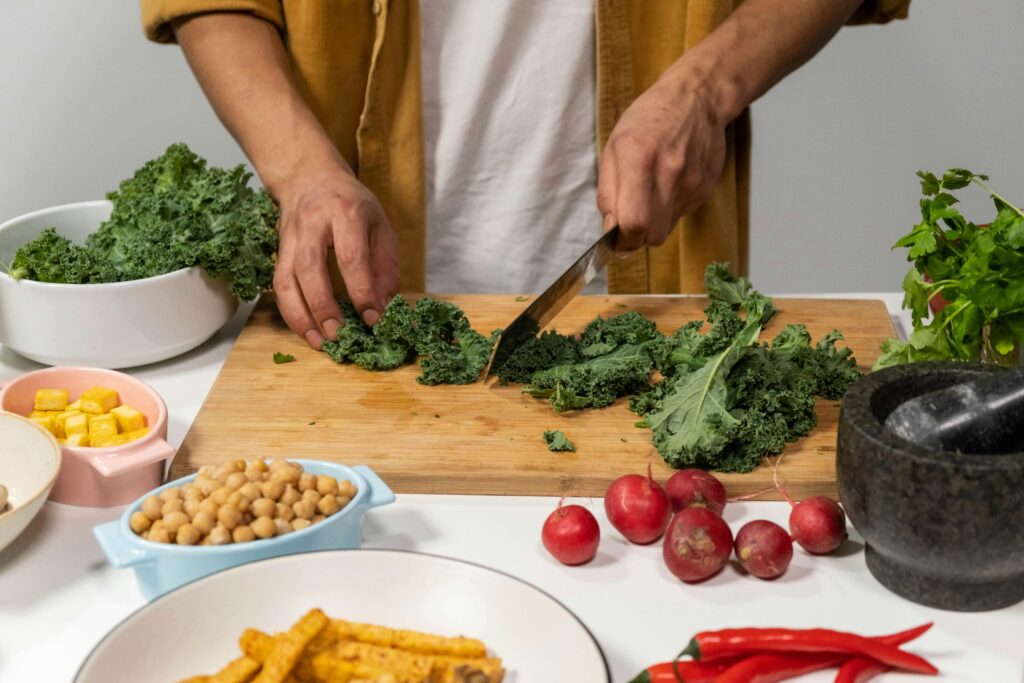
Misconceptions Commonly Made About Vegetarian Protein
Myth 1: Plant Protein Isn’t Effective for Muscle Growth
The sad thing is that people believe only animal-based proteins will build muscle efficiently. In reality, high protein vegetarian foods, if eaten in sufficient quantity and combination, can match animal proteins in effectiveness.
Myth 2: Vegetarian Diets Are Low in Energy
Complex carbohydrates and vegetarian foods containing fiber can give you prolonged energy for long training and intervals of high-intensity workouts.
Myth 3: You must have protein supplements in order to be successful.
While supplements, such as pea or soy protein powders, do help, they are not necessary. It’s easy to get all you need from natural foods alone.
Top 7 High-Protein Vegetarian Foods for Muscle Gain
You have come to understand why protein is crucial and how vegetarians can reach their goals in terms of fitness through smart nutrition.
Now, it’s time to learn about the 7 best high-protein vegetarian foods to build muscle, boost endurance, and support your workouts-particularly important when embarking on a HIIT routine or gym program for beginners.
These foods are not only rich in protein but also loaded with vitamins and minerals, with healthy fats that make your diet complete and satisfying. Let’s dive in.
- Lentils – The Plant-Based Muscle Builder
Lentils are one of the powerhouses among high-protein vegetarian foods. One serving of a cup of cooked lentils packs approximately 18 grams of protein, besides fiber and iron, with complex carbohydrates that maintain energy levels throughout the day.
Lentils should form a base for high-intensity interval training because they energize you continuously and do not irritate your stomach. You can easily include them in soups, curries, or even protein-packed salads.
Quick Tip: Combine lentils with rice or quinoa for a complete amino acid profile, and you’ll be looking at the perfect muscle-building combination right there.
- Chickpeas – The Energy and Endurance Enhancer
Chickpeas are yet another amazing option when it comes to high-protein vegetarian foods. With a whopping 15 grams of protein in every cooked cup, they should be a staple in the diet of any vegetarian looking to pack on lean muscle.
With high fiber, chickpeas are very filling and also have excellent digestive properties; the slow-digesting carbs make them a great pre-training workout meal for HIIT. Roast these for a crunchy snack, combine in a blender to make hummus, or simply toss with olive oil and herbs for a salad.
Fitness Tip: Toss chickpeas with minced veggies and lemon juice to get a protein-rich meal that powers your HIIT session, minus the fullness.
- Quinoa: The Complete Protein Grain
Quinoa is called the “supergrain” for a reason-it’s one of the few plant-based foods that contain all nine essential amino acids, making it a complete protein source. One cup of cooked quinoa delivers around 8 grams of protein, along with iron, magnesium, and antioxidants.
Unlike other grains, quinoa is gluten-free and easily digestible, which makes it the ideal choice pre- or post-workout of high-intensity interval training. Quinoa replenishes the level of glycogen while helping in muscle recovery.
Meal Idea: Use a bed of quinoa for a post-workout bowl loaded with black beans, roasted veggies, and avocado for the perfect balance of protein, healthy fats, and fiber.
- Greek Yogurt – The Creamy Recovery Food
Greek yogurt is among the most impressive high-protein vegetarian foods for those vegetarians who include dairy in their diet. It contains 15-20 grams of protein per serving, with calcium and probiotics that support digestion.
Greek yogurt contains slow-digesting protein, hence very effective in muscle repair and nighttime recovery. The post-workout after a high-intensity interval training session helps to replenish the muscle glycogen, reducing soreness.
Pro Tip: Combine Greek yogurt with chia seeds, nuts, and berries for a high-protein breakfast or post-workout snack that keeps your metabolism going all day.
- Tofu and Tempeh: The Powerhouses of Plant Life
Tofu and tempeh are staples of a vegetarian muscle-building diet. Both are made from curdled soybeans, which make them a complete protein and packed full of calcium, iron, and magnesium.
Tofu contains about 10g of protein per 100 grams, and tempeh will provide a whopping 18–20 grams for the same weight. Both go well in stir-fries, curries, or salads.
For athletes undergoing high-intensity interval training, tofu and tempeh repair muscle fibers very fast and maintain energy throughout exercise.
Plan your meals: Marinating tofu in soy sauce, ginger, and garlic, then pan-frying it with vegetables provides you with a protein-enriched meal for fuel to the gym for recovery.
- Cottage Cheese – Paneer The Slow-Digesting Muscle Fuel
Paneer, or Indian cottage cheese, is the most favored high-protein vegetarian foods item for gaining muscles. Containing about 25 grams of protein in each 100 grams, it is perfect for those who undergo a gym program for beginners and seek to increase their intake of protein naturally.
It contains casein protein that digests slowly, providing a continued release of amino acids for repairing muscles overnight. It is also rich in calcium, supporting bone health, which is critical when it comes to staying safe during high-intensity interval training.
Quick Tip for Beginners: Grill paneer cubes with spices or add them to stir-fried vegetables for an exciting, muscle-gain meal.
- Nuts and Seeds: The Nutrient-Dense Snack Heroes
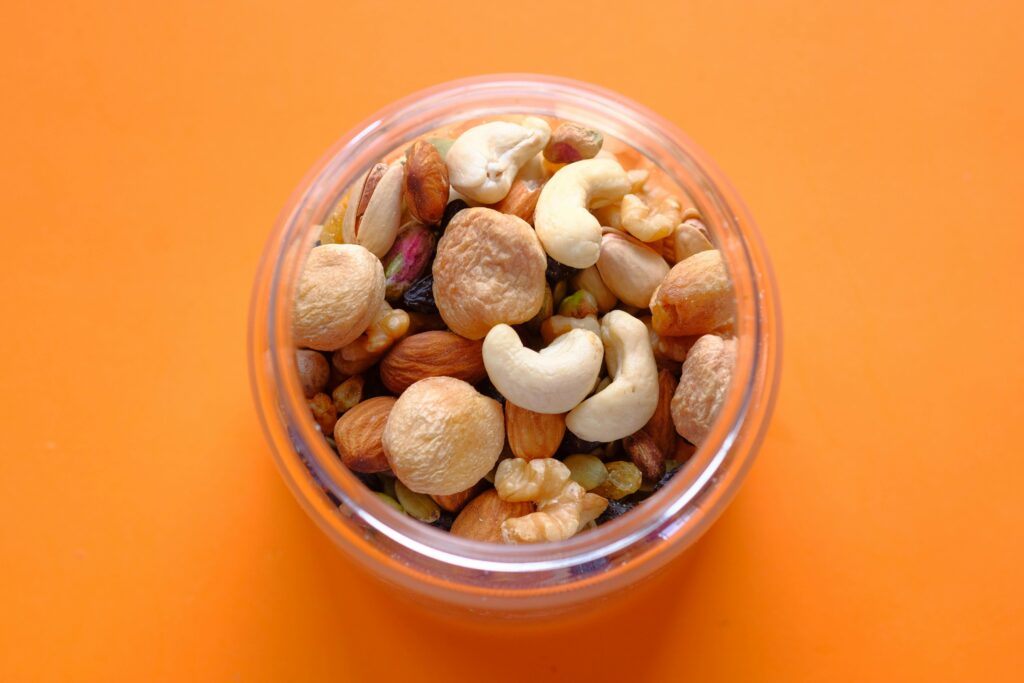
But even though nuts and seeds are small, they’re mighty when it comes to nutrition. Almonds, walnuts, chia seeds, flaxseeds, and pumpkin seeds are among the most powerful high-protein vegetarian foods available.
You get about 6 grams of protein from a handful of almonds, and chia seeds have these omega-3 fatty acids, fiber, and antioxidants that support total health. Of course, these healthy fats support hormone regulation, which is also very important for recovering muscles and metabolizing fat-especially with HIIT present.
Snack Idea: Blend chia seeds and peanut butter into a smoothie, or sprinkle pumpkin seeds on top of your oatmeal for a satisfying, high protein boost.
Combining High-Protein Vegetarian Foods for Maximum Muscle Building
Outside of quantity, building muscle on a vegetarian diet comes down to quality combinations. Most plant proteins are incomplete, so pairing them can ensure you are getting all the essential amino acids your body needs.
Here are some powerful combinations:
Lentils + Brown Rice: Optimal after HIIT for post-workout recovery.
Chickpeas + whole wheat bread: It’s a great source for pre-workout energy.
Tofu + Quinoa: Very balanced meal for muscle synthesis.
Paneer and spinach are good for dinner as they contain a lot of protein and iron.
You can round out this dietary choice with a combination of high protein vegetarian foods that cover every nutritional need in your training program.
The Relationship Between Nutrition and HIIT Performance
If you’re on a high intensity interval training program, then your body needs the best fuel. HIIT sessions stress both your cardiovascular and muscular systems to the limit, meaning your body requires energy both immediately and further down the line. This is supported by protein because it:
- Repair micro-tears in muscles following intense workouts.
- Preventing muscle breakdown during calorie deficits.
- Supporting faster recovery and higher performance.
Consuming protein before and after HIIT enhances endurance and reduces fatigue, therefore allowing you to really push harder in each session.
Timing Your Meals for Optimum Achievement
Timing makes all the difference in getting all your high protein vegetarian food needs met. To make the most of them, follow these time strategies:
Pre-Workout: Consume easily digestible protein such as Greek yogurt, smoothies, or even a handful of nuts 30–60 minutes before training.
Post-workout (within 30 minutes after completion of high intensity interval training): Have a protein-rich meal like lentil soup, tofu stir-fry, or paneer and quinoa bowl.
Throughout the Day: Include lean portions of protein in all meals for maintaining muscle protein synthesis and energy balance.
Gym Program, HIIT Plan, Long-term Success with High-Protein Vegetarian Food
You have learned the science of protein and the best high-protein vegetarian foods that power your body. Now, it’s time to bring everything together: your diet, workouts, and recovery into a balanced lifestyle promoting strength, energy, and confidence.
This section will walk you through a beginner-friendly gym program, sample high-intensity interval training workouts, a structured vegetarian meal plan, and practical tips to keep the fitness ball rolling.
Creating a Newcomer-Friendly Gym Program
The key to starting off in fitness is not to be perfect, but to be simple and consistent. The thing any gym program for a beginner should do is create a foundation of strength, flexibility, and stamina first before heading into advanced routines.
Of course, here’s a 5-day beginner gym split that goes well with your vegetarian diet, and helps you in building muscles really well:
Day 1: Full Body Strength
Squats: 3 sets of 12 reps
Push-ups – 3 sets of 10 repetitions
Dumbbell Rows : 3 sets of 12 reps
Plank: 3 sets, 30 seconds each
Fuel: Begin your day with oatmeal and almond butter, have lentil curry with quinoa post-workout-packed high-protein vegetarian foods.
Day 2: High-Intensity Interval Training (HIIT)
HIIT is an aerobic workout; it alternates between intense bursts of exercise and short rest periods. These types of exercises are ideal for fat loss, stamina, and muscle definition.
Sample 20-Minute HIIT Routine:
Jump Squats – 40 seconds
Rest – 20 seconds
Mountain Climbers –– 40 seconds
Rest – 20 seconds
Push-ups: 40 seconds
Rest – 20 seconds
Burpees – 40 Seconds
Rest – 20 seconds
Repeat the entire circuit 3–4 times.
Fuel: Consume a banana with Greek yogurt before your HIIT. Immediately after, replenish with a tofu stir-fry or a chickpea salad to ensure better muscle recovery.
Day 3: Strength – Upper Body
Shoulder Press: 3 sets of 12 reps
Dumbbell Bench Press 3 sets of 10 reps
Bicep Curls 3 sets of 12 reps
Triceps Dips: 3×10
Fuel: Quinoa bowl with black beans makes a great pre-workout, while paneer and vegetables work perfectly for recovery.
Day 4: Rest and Mobility
Recovery is the magic. None of this matters if you don’t get proper rest; your muscles can’t grow or repair efficiently, no matter how much protein you ingest. Stretch, do yoga, or light walk.
Fuel: Continue with high levels of protein from vegetarian sources such as legumes, nuts, and Greek yogurt to maintain repair processes.
Day 5: Lower Body and Core
Lunges 3 sets of 12 reps per leg
Leg Press – 3 sets of 10 reps
Glute Bridges 3 sets of 15 reps
Side Plank – 3 sets of 30 seconds
Fuel: Chickpeas with whole wheat bread for lunch, cottage cheese with spinach at dinner will help muscles to repair.
Day 6: Optional HIIT or Cardio
Continue with high intensity interval training or go out for brisk walking, jogging, or cycling. This will keep your cardiovascular system going and your metabolic rate at work.
Fuel: Enjoy a smoothie made with soy milk, chia seeds, and a scoop of plant-based protein powder after your session.
Day 7: Rest and Reflection
Take this as a rest day: stretch, meal prep, and plan for the upcoming week. Keep track of your progress; it will help you stay on track and consistent.
Building Your Weekly Vegetarian Meal Plan
This will help your workout gain efficiency. Following is a sample weekly meal plan that incorporates the best high-protein vegetarian foods covered in this article:
Breakfast Options
Greek yogurt with chia seeds and fruits
Oatmeal with Almonds and Peanut Butter
Spinach, banana, and soy milk protein smoothie
Lunch Options
Quinoa and lentil bowl with veggies
Chickpea and tofu salad, dressed with olive oil
Paneer and spinach curry with brown rice
Dinner Options
Lentil soup with whole-grain bread
Mixed vegetable tempeh stir-fry
Cottage cheese (paneer) and quinoa pilaf
Refreshments
Handful of nuts and seeds
Chickpeas roasted
Greek yogurt or protein bar
Hydration Tip: Stay properly hydrated throughout the day, especially before and after high-intensity interval training, to improve performance and recovery.
Common Mistakes to Avoid
Even with the best high-protein vegetarian foods, beginners often make avoidable mistakes that slow their progress. Here are the top ones and how to fix them:
- Not Eating Enough Protein
Most beginners are unaware of the amount of protein they need. Keep track and work your way up to 1.2-2 grams per kilogram of body weight daily.
- Meal timing – Ignore it.
Therefore, skipping a meal after working out will hurt the process of building your muscles back up. Always refuel within 30–45 minutes after training, especially after high intensity interval training.
- Training without Rest
More workouts don’t always mean better results. Your body needs rest days to rebuild and strengthen muscles.
- Depending Solely on Supplements
While plant-based protein powders can help, they need to supplement-not replace-real high-protein vegetarian foods.
- Inconsistent Routine
Building muscles is all about time and repetition. Adhere to your meal plan and gym program for at least 8–12 weeks before seeing visible results.
Nutritional Supplements to Support Vegetarian Athletes
Sometimes, vegetarians may need some extra nutrients that are hard to obtain through diet only. Here are a few supplements that can support your fitness goals:
Plant-Based Protein Powder: Pea, soy, or brown rice protein can help meet daily protein needs.
Vitamin B12: Important for energy metabolism and nerve function.
Iron: This is crucial for the transportation of oxygen while one is working out.
Omega-3 (Algae Oil): The nutrient supports heart health and reduces inflammation.
Creatine (Vegan): Helps to boost muscle strength and assist in muscle recovery.
Always consult a nutritionist before adding new supplements.
Long-Term Advantages of High-Protein Vegetarianism
A steady regimen that couples high-protein vegetarian elements with high-intensity interval training has benefits that extend well beyond the realms of pure muscle building.
Sustainable Energy: Plant-based proteins help to balance blood sugar levels and prevent tiredness.
Lean Muscle Building: Protein-rich food combined with HIIT increases strength and definition.
Faster Recovery: Reduce inflammation and soreness between sessions.
Better digestion and heart health might be achieved, as vegetarian diets rich in fiber help with gut health and lower cholesterol levels.
Eco-Friendly Impact: A vegetarian lifestyle supports not only your health but also that of the planet.
Staying Motivated and Consistent Success happens overnight. Fitness is all about discipline, learning, and adapting. Surround yourself with positivity, track your workouts, celebrate small victories, and remember why you started.
And, of course, motivation grows when you feel stronger, look better, and have more energy-all that comes naturally when you fuel your body with high-protein vegetarian foods and challenge it through high-intensity interval training.
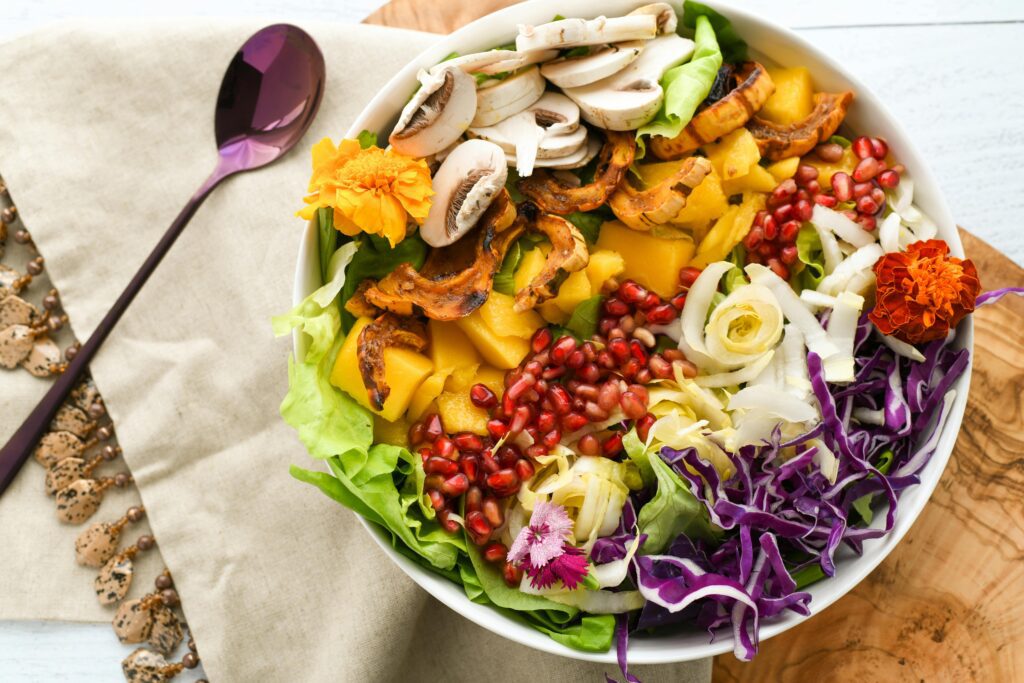
Conclusion
You now have all the tools to transform your fitness journey-from understanding your protein needs to creating a structured training and meal plan that works.
If you can eat more high-protein vegetarian foods, balance your workouts with high intensity interval training, and be consistent, you can effectively build lean muscle, enhance endurance, and get that healthy, strong physique you have desired without resorting to meat-based diets. Keep in mind: progress is a sum of daily decisions.
Each meal, each workout, and each hour of rest brings you closer to your goal. Be in patient pursuit, stay committed, and let your results be the conversation. No excuses, just strong, sustainable, vegetarian-powered gains.
Yo, lemme tell ya about cz777gamelogin. Signed up real quick and was playing in minutes. The site’s clean and the games are hella fun. Seriously, give it a whirl! Login and level up: cz777gamelogin
Pingback: Lean Body Mastery: 11 Science-Backed Strategies to Build a Strong, Defined Lean Body -