
Introduction
Having schizophrenia or post stress disorder (PTSD) can be debilitating. These disorders influence not only your mental well-being but also your relationships, profession, and general way of life.
Individuals afflicted with these disorders constantly feel caught up in a cycle of anxiety, pressure, and reoccurring symptoms that make everyday chores seem impossible.
To grasp these issues of mental illness is the initial process of controlling them. Professional assistance will always be needed, but there are some practical steps that you can adopt in order to minimize symptoms, gain control, and enhance your mental well-being.
In this blog, we shall discuss 7 strong tips for ending the schizophrenia and post stress disorder cycle.
These tips are a mix of medical advice, lifestyle modification, meditation skills, and support groups that can actually work. By implementing these methods, you can take positive action towards a healthier, balanced life.
Tip 1: Understand Your Condition
The process of dealing with schizophrenia and post stress disorder begins with knowing what these conditions are, the symptoms, and how they influence your life. With knowledge, you become empowered to notice warning signs early, get help in a timely manner, and avoid relapses.
Knowing Schizophrenia
Schizophrenia is a chronic mental disorder that influences the way a person thinks, feels, and acts. Some symptoms are:
- Delusions: Firm beliefs not grounded in reality
- Hallucinations: Hearing or seeing things that no one else sees
- Disorganized thinking: Difficulty concentrating or linking thoughts in a logical order
- Emotional flattening: Having trouble expressing emotions or responding in an appropriate manner
- Social withdrawal: Fleeing from friends, family members, or social activities
The cause of schizophrenia cannot be specifically identified, but it is thought to be the result of a mix of genetics, brain chemistry, and environmental influences. Early recognition of these signs helps in getting appropriate treatment and care.
Understanding Post Stress Disorder (PTSD)
Post stress disorder usually arises after witnessing or being exposed to a traumatic experience.
The usual manifestations of PTSD are:
- Flashbacks or intrusive recollections
- Nightmares and difficulty sleeping
- Increased anxiety or panic attacks
- Avoidance of things which trigger the memory of trauma
- Emotional dullness or being unable to relate with people
Schizophrenia and post stress disorder can interfere with your daily activities, but being aware of your condition empowers you to control it effectively.
Self-Awareness is Key
Self-awareness is about understanding your triggers, symptoms, and feelings. Journaling or keeping a diary is a good way to monitor patterns, mood shifts, and warning signals. Awareness enables proactive measures to be taken before symptoms worsen.
Summary of Tip 1
Knowing your condition is the key to recovery. The more you know about schizophrenia and post stress disorder, the better prepared you are to cope with them. Knowledge diminishes fear, establishes confidence, and enables you to speak out effectively to your support group and medical caregivers.
Tip 2: Seek Professional Help
While self-help strategies are valuable, professional guidance is crucial for managing schizophrenia and post stress disorder effectively. Mental health professionals can provide therapies, medications, and guidance tailored to your needs.
Therapy Options
- Cognitive Behavioral Therapy (CBT): Helps change negative thought patterns
- Psychotherapy: Provides a safe space to discuss feelings and develop coping strategies
- Eye Movement Desensitization and Reprocessing (EMDR): Effective for PTSD-related trauma
Therapy is most effective when combined with medication and lifestyle changes.
Medication Management
For schizophrenia, medications such as antipsychotics help reduce hallucinations, delusions, and disorganized thinking. For PTSD, antidepressants or anti-anxiety medications may be prescribed. It is essential to follow your doctor’s guidance and report side effects promptly.
Regular Monitoring
Mental health conditions require ongoing monitoring. Regular check-ins with a psychiatrist or therapist help track progress, adjust medications if needed, and address emerging challenges.
Summary of Tip 2:
Getting professional assistance guarantees you possess the tools to effectively cope with symptoms. Treatment, medication, and continuous monitoring are necessary steps in ending the schizophrenia and post stress disorder cycle.
Tip 3: Add Transcendental Meditation
Meditation is an effective tool for coping with mental illness, and transcendental meditation (TM) is especially effective in decreasing stress and anxiety for those suffering from schizophrenia and PTSD.
Benefits of Transcendental Meditation
- Decreases stress hormone levels within the body
- Soothes the mind and enhances emotional control
- Enhances concentration and discourages intrusive thinking
- Enhances sleep quality and diminishes anxiety
How to Practice Transcendental Meditation
- Discover a quiet, relaxed area
- Sit comfortably
- Close your eyes and concentrate on a simple word
- Practice for 15–20 minutes, twice a day
- Over time, meditation will enable you to meet stressful situations calmly
Research indicates that transcendental meditation has been found to decrease the severity of symptoms and the number of episodes among people with schizophrenia and PTSD. It supplements professional treatment and may be incorporated into daily habits to gain long-term advantages.
Tip 4: Build a Strong Support System
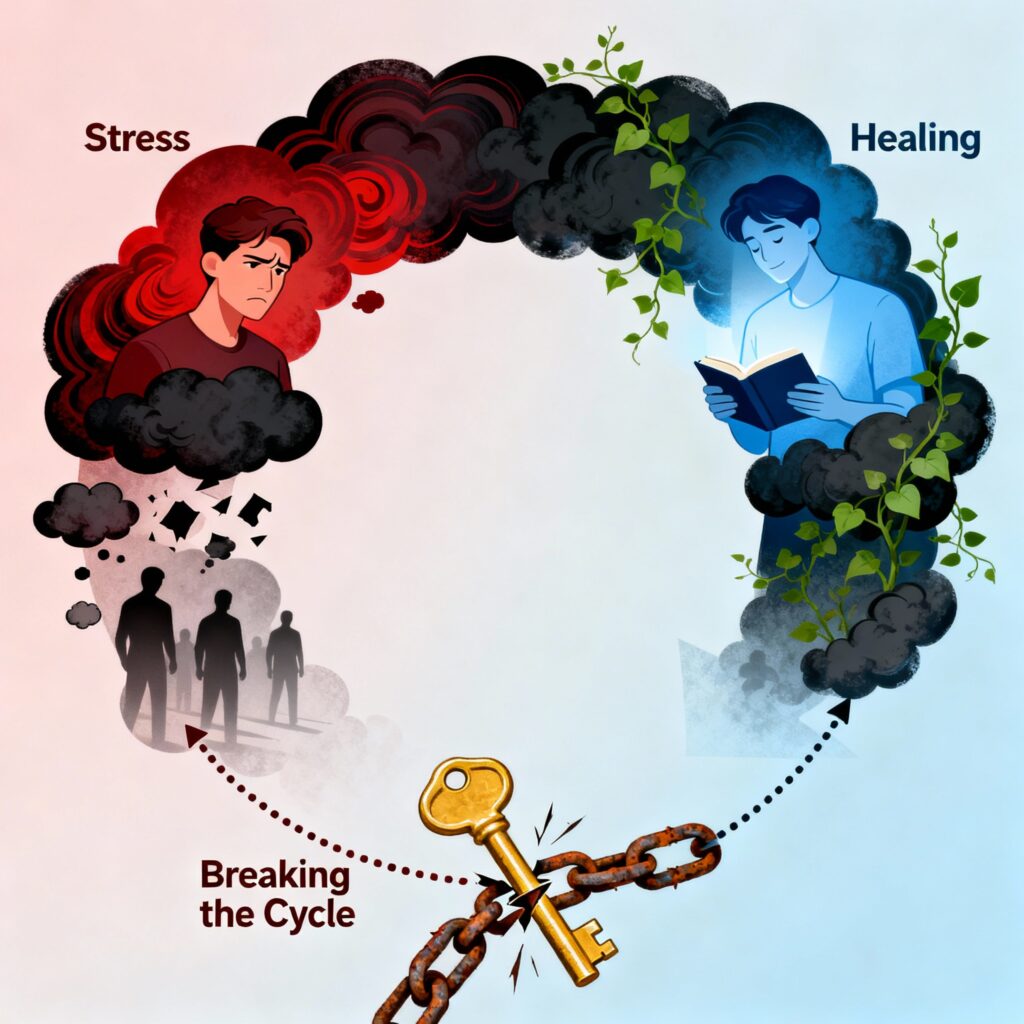
Dealing with schizophrenia or post stress disorder can feel isolating, but having a strong support system can make a significant difference in your recovery journey. Support networks provide encouragement, understanding, and practical assistance when symptoms flare up.
The Role of Family and Friends
Family and friends play a vital role in noticing early warning signs of schizophrenia or PTSD attacks. They can be responsible for maintaining compliance with treatment, offering emotional support, and helping with activities of daily living. Good communication is key; discussing your experiences and your needs can enable your loved ones to react accordingly.
Joining Support Groups
Online and offline support groups build communities of people who share similar difficulties and can exchange experiences and coping mechanisms.
Such groups:
- Make feelings of loneliness lessen
- Provide practical tips and resources
- Facilitate regular use of therapy and self-care
For instance, some schizophrenia support groups specialize in symptom management through routine and scheduling, while PTSD groups focus on recovery from trauma and emotional regulation. Joining helps demystify your experiences and remind you that others are with you.
Professional Support Networks
Apart from relatives and friends, long-term support can be offered by mental health professionals and counselors. According to therapists, it is advisable to build a system of support that involves:
- Psychiatrists or physicians
- Trauma or schizophrenia therapists
- Peer mentors with lived experience
Summary of Tip 4:
A solid support system decreases stress, relapse prevention, and promotes emotional resilience. An integration of family, friends, and professional networks enhances your capability to effectively cope with schizophrenia and post-stress disorder.
Tip 5: Create Healthy Lifestyle Habits
Healthy lifestyle greatly affects schizophrenia and post-stress disorder management. Minor but regular changes in daily routines can enhance mental clarity, emotional stability, and well-being.
Balanced Nutrition
Following a balanced diet with nutrients will promote brain function and mood stabilization. Consider:
- Omega-3 fatty acids: In fish, walnuts, and flaxseeds; will possibly aid cognitive function
- Whole grains and vegetables: Give sustained energy and enhance mental focus
- Avoiding processed foods and sugar highs: Reduces irritability and anxiety
- Good nutrition nourishes brain chemistry and augments therapy and medication.
- Exercise and Physical Activity
- Physical activity, done regularly, decreases symptoms of depression and anxiety commonly associated with schizophrenia and PTSD. Activities to consider include:
- Daily walking or light jogging
- Yoga or Pilates, which also involve conscious breathing
- Strength training or at-home exercise
Exercise triggers the production of endorphins, which naturally enhance mood and decrease tension.
Sleep Hygiene
- Inadequate sleep worsens both symptoms of schizophrenia and PTSD attacks. Ways to sleep better:
- Stick to a regular sleeping and waking time
- Do not consume caffeine and screen devices in the evening
- Establish a relaxing, dark, and cozy sleeping space
- Good sleep enhances emotional control and minimizes hallucinations or flashbacks.
- Avoiding Harmful Substances
- Alcohol, drugs, and stimulants can make schizophrenia symptoms worse and initiate PTSD attacks. Avoidance of these substances promotes stability and forestalls relapse in recovery.
- Incorporating Mindfulness into Daily Life
Even mere mindfulness habits, like attention to breathing, noting the environment, or brief meditation sessions, are effective in stress management and intrusive thoughts. Combining transcendental meditation with such routines enhances mental fortitude.
Summary of Tip 5:
Healthy nutritional, exercise, sleeping, and mindfulness habits enhance your mental and emotional well-being. When coupled with specialist care, these habits decrease schizophrenia and post stress disorder symptoms’ severity over a period of time.

Tip 6: Learn Stress Management Skills
Stress can precipitate symptoms of schizophrenia and post stress disorder, so effective stress management is crucial for recovery. Learning hands-on skills helps you remain calm and in control in challenging situations.
Identify Your Triggers
Learning to recognize situations, places, or thoughts that exacerbate symptoms is the first step in stress management. Typical triggers are:
- Overwhelming social interactions
- Financial or job-related stress
- Reminders of past trauma
- Sleep deprivation or poor diet
- Keeping a stress diary can help you identify triggers and patterns and predict and prepare for them.
Breathing Exercises
- Proper breathing exercises soothe the nervous system and ease tension. Some techniques are:
- Deep diaphragmatic breathing: Deep inhale, hold briefly, slow exhale
- Box breathing: Inhale, hold, exhale, and hold again for same counts
- Repeating these for 5–10 minutes a day can decrease post stress disorder symptoms and control hallucinations or intrusive thoughts in schizophrenia
Progressive Muscle Relaxation
This method includes tensing then releasing various muscle groups to alleviate physical tension that comes with stress. Advantages are:
- Decreased anxiety and nervous system arousal
- Better quality sleep
- Heightened body awareness, allowing you to notice tension before it builds up
Journaling and Mindfulness
Putting thoughts, feelings, and experiences down on paper is an effective means of working through trauma and intrusive thoughts. Mindfulness activities, like noticing the world around you without criticism, keep you anchored in the present.
Blending Stress Management with Meditation
The combination of transcendental meditation and stress management makes it more effective, reducing stress hormones, enhancing mood, and stabilizing emotions.
Summary of Tip 6:
Learning to self-manage stress decreases the number and intensity of schizophrenia and post stress disorder attacks. Regular practice of breathing, mindfulness, and relaxation enhances resilience and clarity of mind.
Tip 7: Set Realistic Goals & Celebrate Small Wins
Recovery and rehabilitation of schizophrenia and post stress disorder is a slow process. Establishing realistic goals keeps one motivated, on the path to progress, and increases confidence levels.
Break Goals into Small Steps
Big challenges can be daunting. Dividing them into smaller, accomplishable tasks boosts success rates. Examples:
- Finishing daily routines of self-care
- Going to therapy sessions consistently
- Habitually practicing meditation
- Monitor Progress
- Recording achievements, however small, reinforces positive behavior and lessens feelings of helplessness. Monitoring progress allows you to see improvement even in difficult times.
- Celebrate Milestones
- Recognizing achievements boosts self-esteem and reinforces continuation. Celebrating milestones may involve:
- Treating yourself to a reward
- Sharing successes with supportive people such as friends or family
- Journaling about progress
- Practice Self-Compassion
Slip-ups can occur, and that is to be expected. Be kind and patient with yourself, refraining from critical self-blame. Self-compassion enhances emotional strength and stress triggers reduction, facilitating long-term maintenance of schizophrenia and PTSD.
Summary of Tip 7:
Reaching realistic targets and acknowledging small successes reinforces progress, reinforces confidence, and reiterates coping maneuvers, stopping the pattern of schizophrenia and post stress disorder.
More Topics Associated with Schizophrenia & Post Stress Disorder (700+ words)
Schizophrenia and post stress disorder management involves not just therapy, meditation, support groups, and lifestyle control. There are numerous other subjects that significantly impact mental health, recovery rate, and overall stability.
The following extra topics assist in providing a more comprehensive understanding and support sustained forward development.
- The Role of Early Diagnosis and Intervention
Early diagnosis is the most crucial aspect of treating schizophrenia and PTSD. In most instances, symptoms are either unnoticed or misunderstood for months or even years. When intervention occurs early, treatment progresses more quickly, and outcome is immensely improved over the long run.
- Early diagnosis prevents complications such as social withdrawal and drug addiction.
- It minimizes the severity of psychotic or stress-induced episodes.
- It increases the likelihood of maintaining normal day-to-day functioning.
- It stops the disorder from progressing because of neglect.
A lot of people are afraid to get help because they are afraid of being judged or labeled. But early assessment by a psychiatrist or psychologist can alter the whole pattern of recovery.
- Role of Routine and Structure
A set routine makes the mind feel secure and grounded. For individuals experiencing schizophrenia or post stress disorder, uncertainty can cause anxiety or confusion. Having a daily structure provides clarity, direction, and emotional safety.
A good routine has:
- Fixed sleeping and waking time
- Set meal times
- Regular times for medication
- Timed meditation or relaxation sessions
- Social time or family check-in time
When the brain has a clue as to what comes next, it reduces stress levels automatically.
- Art, Music & Creative Therapy
Creativity has the ability to mend emotional scars that words sometimes cannot. Art therapy, music therapy, and writing therapy have been found to be useful in decreasing stress, releasing traumatic memories, and enhancing mood.
Advantages:
- Reduces anxiety and restlessness
- Boosts self-expression
- Induces emotional release
- Restores connection to identity and sense of purpose
People with schizophrenia often describe feeling disconnected from their emotions. Art and music help reconnect them gently. Similarly, people with post stress disorder can express trauma safely without re-triggering painful memories verbally.
- Digital Detox and Managing Information Overload
Today’s world is overstimulating. Social media, constant notifications, negative news, and high digital exposure can worsen symptoms of schizophrenia and PTSD.
Digital detox doesn’t imply giving up technology — it involves using it mindfully.
Effective strategies:
- Stay away from social media in the early morning and late evening
- Switch off unnecessary notifications
- Swap scrolling with reading or meditation
- Make use of apps that promote mental health rather than draining it
- Cutting down on overstimulation avoids emotional burnout and mental exhaustion.
- Nature Therapy / Eco-Healing
Being in nature decreases stress, lowers cortisol, and gives a feeling of inner calm. For individuals living with schizophrenia or PTSD, the outdoors offers grounding and emotional regulation.
Examples:
- Walking barefoot outside (grounding)
- Gardening or planting something
- Sitting near a river, trees, or natural scenery
- Morning sunlight exposure to release serotonin
- Nature therapy is particularly beneficial when paired with mindfulness or breathing exercises.
- Spiritual Healing and Mind-Body Connection
Whereas therapy engages the mind, spirituality infuses the bond between mind and soul. Spiritual disciplines such as gratitude, chanting, silence, or prayer allow for inner stability and peace to be brought in. This does not have to be religious – spirituality is simply returning to inner calm and meaning.
Mind-body healing is also most effective at:
- Decreasing panic attacks
- Creating emotional resilience
- Conquering fear and helplessness
- Promoting self-acceptance
- Boundaries and Emotional Self-Protection
Many people with PTSD or schizophrenia get emotionally overwhelmed when around toxic or negative environments. Learning to say “no” and protecting personal space is part of healthy recovery.
Healthy boundaries include:
- Limiting contact with people who drain energy
- Avoiding arguments or high-conflict situations
- Giving yourself permission to rest
- Not forcing yourself to socialize when mentally exhausted
- Boundaries are a form of emotional self-care.
- Rebuilding Identity & Self-Confidence
Mental illnesses usually tend to make individuals feel “less competent,” “broken,” or “different.” Rebuilding identity restores confidence.
How to rebuild:
- Acquiring new skills
- Participating in hobbies
- Volunteering or assisting others
- Keeping a record of personal accomplishments
- Vision board creation
- Small steps toward self-betterment lead to huge psychological changes.
- Importance of Self-Compassion
Most individuals experience guilt, shame, or self-blame for their situation. Gentleness with oneself and caring treatment of oneself by themselves are signs of self-compassion. It promotes healing from the emotions and lessens internal stress.
- The Power of Community Awareness
Schizophrenia and PTSD are misunderstood. Stigma diminishes, and support rises when communities are informed. Promoting awareness avoids discrimination and facilitates a supportive, healing environment.
Schizophrenia and post stress disorder management involves not just therapy, meditation, support groups, and lifestyle control. There are numerous other subjects that significantly impact mental health, recovery rate, and overall stability.
The following extra topics assist in providing a more comprehensive understanding and support sustained forward development.
Conclusion
Treating schizophrenia and post stress disorder needs a holistic touch. Integrating professional therapy, lifestyle changes, transcendental meditation, stress management skills, and a solid support system can greatly enhance the quality of life.
Keep in mind that breaking the cycle is a path, not a place. Every step, however tiny it may seem, leads to healing and empowerment.
By learning your condition, getting professional assistance, incorporating meditation, establishing support networks, having good habits, coping with stress, and rewarding accomplishments, you may take charge and head toward a balanced, rewarding life.
Recovery can occur, and hope is a great medicine. With treatment and hard work, people with schizophrenia and post stress disorder can lead productive and fulfilling lives.
FAQ Section
- Can schizophrenia be cured?
Schizophrenia cannot be completely cured, but it can be treated successfully with medication, therapy, lifestyle modification, and counseling. Early treatment greatly enhances outcomes.
- How effective is transcendental meditation for PTSD?
Transcendental meditation decreases stress, anxiety, and intrusive thoughts related to PTSD. It assists with ongoing emotional regulation and general mental well-being.
- How long does it take to see an improvement?
Improvement varies but, with regular therapy, medication, lifestyle modification, and meditation, noticeable improvements usually occur within weeks to months. It is a matter of perseverance and patience.
- Can support systems actually help?
Yes. Support groups, friends, family, and professional networks give emotional stability, motivation, and direction, which are essential to treating schizophrenia and post stress disorder.
- Do lifestyle changes really matter?
Absolutely. Nutrition, exercise, sleep, and mindfulness impact directly on brain chemistry and stress levels, supporting therapy and medication in long-term recovery.