
Table of Contents
Introduction
Beginning a fitness routine as a beginner can be very confusing for only one reason: there is just too much noise and not much structure.
Everyone tends to switch between random workout videos from YouTube to rep schemes from advanced athletes to quitting altogether since there isn’t much to work with.
This is exactly why a beginner calisthenics workout routine is so important. Without structure, physical work goes to waste.
Calisthenics isn’t magic. “Easy” isn’t even close to describing it, and it isn’t a magic bullet for attaining a superhero physique in 30 days. What it is, if done right, is one of the most effective means of beginning bodyweight training.
This guide goes beyond the marketing and gets straight into what works.
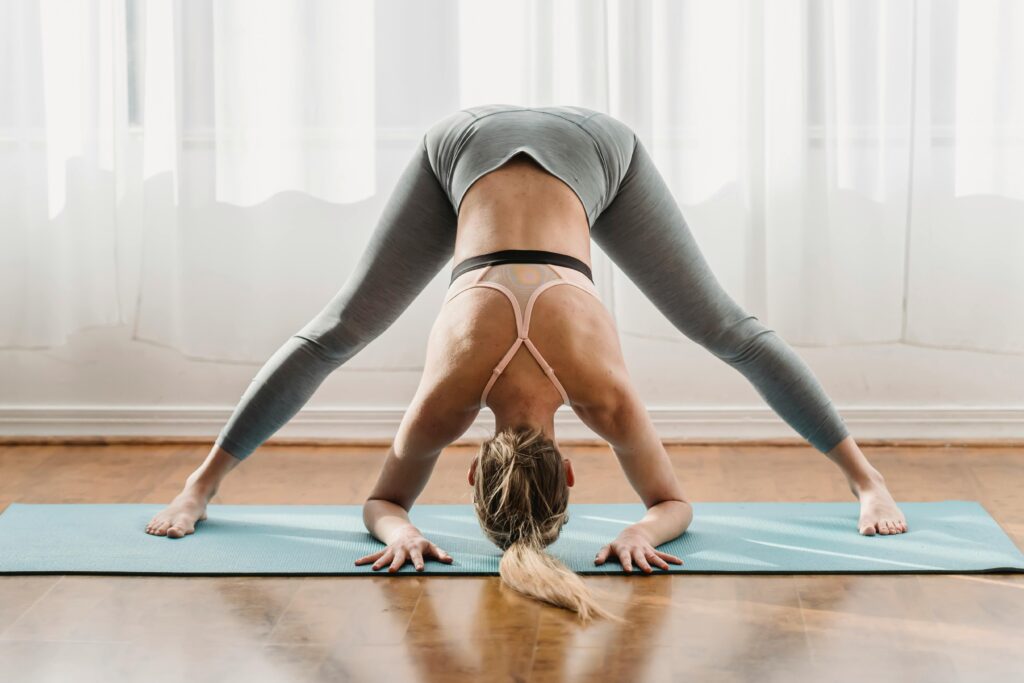
What Is Calisthenics?
(No Gym, No Excuses}
Calisthenics is a training method in which your body weight serves as resistance. The basic exercises include push-ups, squats, planks, rows, and lunges.
In contrast to machine training, calisthenics workout plan help train several muscle groups simultaneously and require your entire body to function as a unit.
In new users, it matters less than aesthetics.
Body weight training increases
- Basic strength
- Joint Stability
- Balance and Coordination
- Movement awareness
The beginner workout routine for calisthenics workout plan involves learning these movements before seeking more advanced exercises such as muscle ups or handstands, which are where most people go wrong, focusing more on the advanced movements than the basics.
You don’t need a gym membership. You don’t need fancy equipment. You need patience and consistency.
Why Newbies Fail Without a Structured Calisthenics Workout Plan
People just starting out will not fail because the method of calisthenics workout plan doesn’t work well. They will fail because of following it haphazard
“This is what usually happens:”
- “They do push-ups each day, and their routine doesn’t progress
- They exercise too frequently and rest inadequately
- Copy advanced routines they cannot handle.
- They disregard fitness and pursue reps
- The consequence? Plateaus, aches in the joints, frustration, and ultimately, quitting
A calisthenics workout plan routine for beginners addresses this issue of overload by managing volume, intensity, and progression. It not only helps you know when to exercise, what to exercise, but also how much to exercise so that your body responds rather than deteriorating.
For a beginner, one doesn’t need variety; one needs continuity of correct movements.
Benefits of a Calisthenics workout plan for beginners
A well-designed calisthenics workout plan has much to offer, benefits that are often found in few if any entry-level gym training systems.
- Strength That Actually Transfers
Calisthenics workout plan promotes functional strength. When you do push-ups or pull-ups or any calisthenic movement, you’re not simply lifting a bar; you’re training your body.
- Beneficial Progress
Machines force you into set routes. Calisthenics workout plan lets you move in more natural ways, and this is definitely more beginner-friendly, assuming you learn how to do the exercises properly.
- Sustainable Fat Loss
You’re using large muscle groups at the same time. This results in high-energy levels with not much cardio involved.
- Skill Development
Effective calisthenics workout plan for novices involve skill progression that is incrementally incorporated into the training program to keep the mind engrossed and the training interesting for you.
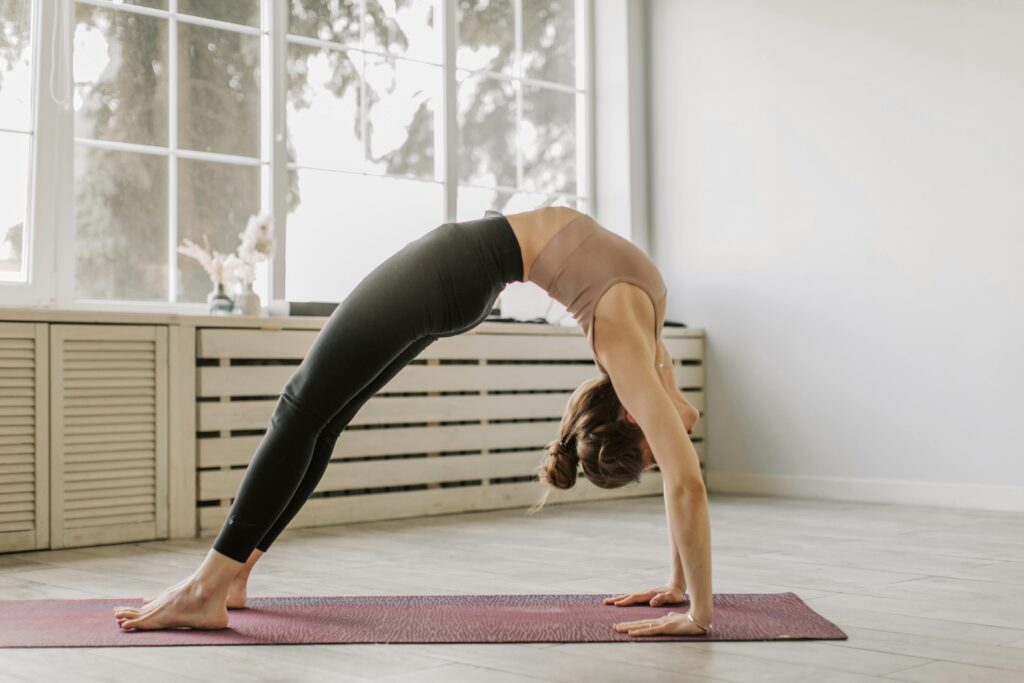
Who This Calisthenics Workout Plan Is For (And Who It’s Not)
This is a general
It is most suitable for:
- People with absolutely no background in training
- Individuals who return after a lengthy break
- Those who prefer Home Exercises
- People dealing with gym intimidation
This plan does not apply to:
- Super athletes pursuing peak abilities
- Those who refuse to rest or recover
- Those in search of an instant transformation.
If it’s discipline you want and not shortcuts, then this method will work for you.
Equipment Needed (Minimalist by Design)
One of the biggest strengths of calisthenics is that there is very little equipment needed. The less equipment beginners are exposed to, the better.
Optional, but useful:
A sturdy pull-up bar (or table) (rows)
Resistance bands
Resistance
A “mat” for floor exercise
With bodyweight exercises, you can easily follow a calisthenics workout plan for beginners without any equipment at all and with minimal space. Equipment will only add to the benefit – and won’t replace consistency.
Safety Rules that Must Be followed by beginners
This is where honesty counts.
“Warm-Up Is Non-Negotiable
This makes joints and muscles cold, which are injury-prone. Mobility activities should be incorporated for five to ten minutes before each workout routine.
Pain Is Not Progress
Nerve discomfort is expected. Sharp pain is a concern. Newbies tend to ignore the signs and regret it down the line.
Recovery Is Training
Muscle growth happens when you’re resting, not when you’re exercising. That explains why resting is scheduled into a beginner routine.
Instead, ignoring recovery does not show that you are disciplined; it demonstrates that you are injured
WHAT TO EXPECT IF YOU’RE A BEGINNER
During the first weeks, there won’t be any radical visible changes happening on your skin. However, the following changes will become evident:
- Enhanced coordination
- Improved push-up and squat movement control
- More confidence in fundamental movement skills
The calisthenics workout plan with calisthenics training for beginners lays the foundation. Strength precedes beauty. Do not skip the initial phase; otherwise, all that follows will become difficult.
A Practical Calisthenics Workout Plan for Beginners (Step-by-Step)
Knowing about calisthenics doesn’t help if you don’t understand how to implement it effectively. This is where most websites fail and result in general or unrealistic advice.
This part will enable you to follow a precise, reproducible calisthenics workout plan for beginners based not only on progress and recovery but also on long-term adherence.
No fancy footwork. No ego. Just effective skills.
A Sample Per Week Calisthenics workout plan for Newbies
A beginner does not require a daily training routine. More training does not always lead to better results.
Recommended Schedule
3 days a week for training
1 rest day between sessions
Example:
Monday – Workout
Tuesday – Rest
Wednesday – Workout
Thursday – Rest
Friday – Workout
Weekend – Active recovery or rest
This is what enables your body’s nervous system and muscles to adjust. The right calisthenics workout plan for beginners includes a balance of activity and rest.
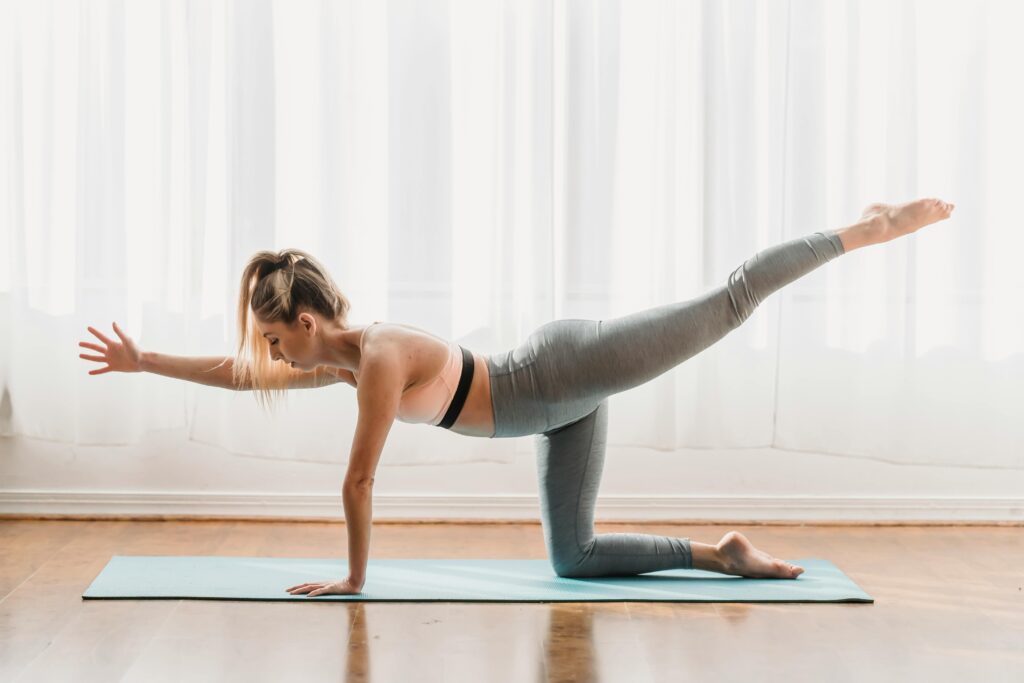
Avoiding Common Protein Mistakes + Meal Plan + Conclusion
You now know about the best protein sources for vegetarians and how to structure a beginner calisthenics workout plan to build lean, functional strength. But even with the right foods and training, many vegetarians make small yet costly nutrition mistakes that slow their progress.
In this section, we’ll cover those common errors, show you how to fix them, and finish with a practical meal plan you can start using today.
Common Mistakes Vegetarians Make With Protein Intake
Even the healthiest eaters can slip up when managing their protein sources for vegetarians. The good news is that each mistake can be corrected easily once you’re aware of it.
1. Relying Too Heavily on One or Two Protein Sources
Many vegetarians eat only one major protein food every day—like paneer or lentils—and assume that’s enough. However, no single vegetarian food contains all nutrients in the right balance.
By rotating your meals and combining multiple protein sources for vegetarians, you can ensure your muscles get a steady supply of all essential amino acids.
Fix:
Alternate between lentils, chickpeas, quinoa, tofu, and nuts during the week. For example, lentils on Monday, tofu on Tuesday, quinoa on Wednesday, and so on.
2. Ignoring Total Protein Quantity
Sometimes vegetarians underestimate how much protein they actually need. Remember, active individuals doing bodyweight training require around 1.2–1.8 grams of protein per kilogram of body weight.
Fix:
Track your daily intake using a nutrition app. If you weigh 70 kg, aim for 84–126 grams of protein per day from a variety of protein sources for vegetarians such as lentils, Greek yogurt, tofu, and nuts.
3. Not Complementing Proteins Properly
Certain plant proteins are incomplete, meaning they lack one or two essential amino acids. Eating complementary foods ensures your body gets everything it needs for muscle synthesis.
Fix:
Pair grains and legumes—rice with lentils, whole-grain toast with chickpea hummus, or quinoa with tofu. Combining different protein sources for vegetarians helps you form a complete, muscle-supporting amino acid profile.
4. Forgetting About Micronutrients
Vegetarians sometimes miss out on iron, zinc, vitamin B12, and omega-3 fats, all crucial for recovery and energy.
Fix:
Include spinach, pumpkin seeds, walnuts, and fortified cereals in your diet. If needed, consider a B12 supplement after consulting your doctor. Balanced nutrition ensures the protein sources for vegetarians you consume are fully absorbed and utilized.
5. Skipping Post-Workout Nutrition
Muscles need amino acids within 30–60 minutes after training to begin recovery. Delaying your meal or snack can reduce protein efficiency.
Fix:
After every calisthenics workout plan, refuel with quick, digestible protein sources for vegetarians—Greek yogurt, a banana-tofu smoothie, or a handful of nuts and seeds.
1-Day Sample Meal Plan for Vegetarian Calisthenics Beginners
Below is a practical one-day meal plan (around 100 g of protein) to demonstrate how you can easily meet your needs with whole foods. All meals feature balanced protein sources for vegetarians designed to fuel energy and muscle growth.
Breakfast: Greek Yogurt Power Bowl
- 1 cup Greek yogurt
- 1 tablespoon chia seeds
- 1 banana or handful of berries
- 5–6 almonds
Why it works: Greek yogurt and chia seeds deliver a complete mix of protein and fiber, kick-starting your metabolism. This combination makes it one of the best morning protein sources for vegetarians
Lunch: Lentil and Quinoa Protein Bowl
- 1 cup cooked lentils
- ½ cup cooked quinoa
- Steamed vegetables (broccoli, carrots, spinach)
- 1 tablespoon olive oil
Why it works: Lentils and quinoa complement each other to form a complete protein. The fiber keeps you full and energized for afternoon training.
Mid-Afternoon Snack: Nuts and Seeds Mix
- Almonds, walnuts, and pumpkin seeds (a small handful)
- A glass of buttermilk or soy milk
Why it works: Quick, portable, and nutrient-dense, this snack provides healthy fats plus roughly 12–15 grams of protein from compact protein sources for vegetarians.
Dinner: Tofu and Vegetable Stir-Fry with Brown Rice
- 100 grams tofu
- 1 cup mixed vegetables (bell peppers, beans, zucchini)
- 1 cup cooked brown rice
Why it works: Tofu offers complete protein while vegetables supply antioxidants that reduce inflammation from training. Pairing tofu with brown rice rounds out the amino acid profile, making this one of the most balanced protein sources for vegetarians for dinner.
Bedtime Snack: Cottage Cheese (Paneer) Cubes
- 100 grams paneer
- Sprinkle of cinnamon or black pepper
Why it works: Paneer’s slow-digesting casein protein provides your muscles with amino acids overnight, enhancing recovery and growth. It’s among the top protein sources for vegetarians to consume before sleep.
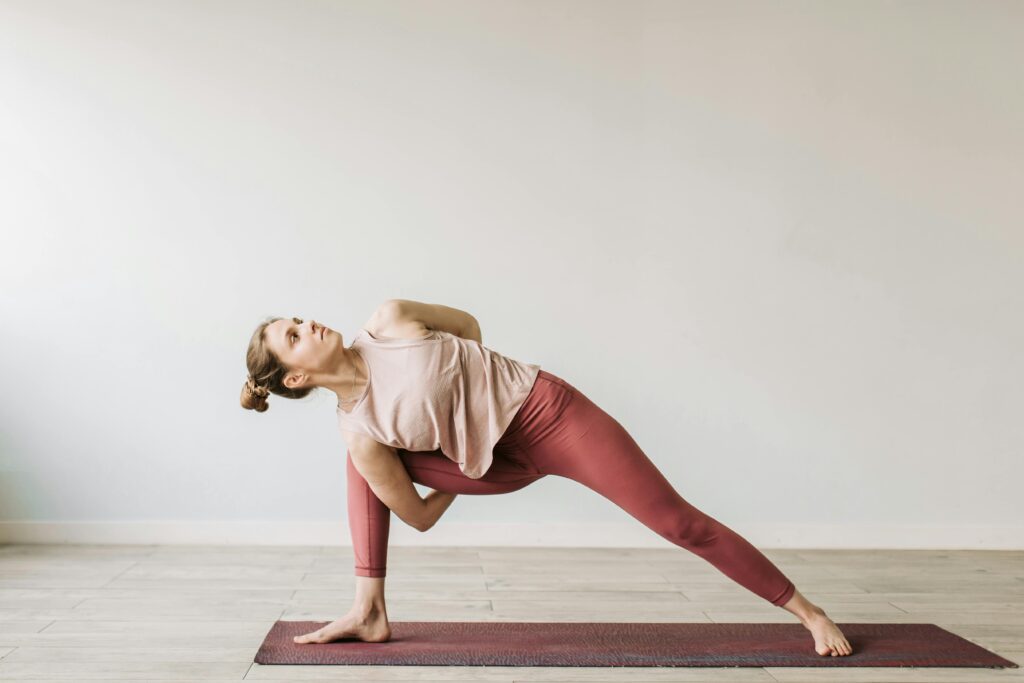
Lifestyle Tips to Maximize Muscle Growth on a Vegetarian Diet
- Stay Hydrated: Protein metabolism requires water. Aim for at least 3 liters per day.
- Prioritize Sleep: Muscles rebuild during rest, not during workouts.
- Progress Gradually: In calisthenics workout plan, focus on form before adding reps or difficulty.
- Plan Ahead: Prep lentils, quinoa, or tofu in advance so healthy meals are always within reach.
- Stay Consistent: The true secret isn’t just finding good protein sources for vegetarians, it’s eating them consistently over time.
How Protein and Calisthenics Work Together
Calisthenics workout plan challenges multiple muscle groups at once. Unlike isolated gym machines, push-ups, planks, and squats engage your core, arms, and legs simultaneously.
To keep progressing, your body needs constant recovery fuel—this is where high-quality protein sources for vegetarians come in.
After each session, your body enters a repair phase. The amino acids from your meals rebuild torn muscle fibers, leading to stronger and more defined muscles. Without adequate protein, that repair process slows down, leaving you fatigued and stuck at the same strength level.
By consistently eating lentils, tofu, quinoa, nuts, and paneer, you give your body exactly what it needs to adapt and grow stronger.
Long-Term Strategy for Vegetarian Athletes
For those serious about long-term performance, the goal is sustainability. Your protein sources for vegetarians should not only support short-term muscle growth but also overall health. That means:
- Diversity: Rotate legumes, dairy, soy, and grains to cover all amino acids.
- Timing: Spread your protein intake evenly across the day—roughly 20–25 grams per meal.
- Quality: Focus on whole foods first; use plant-based protein powders only to fill occasional gaps.
Consistency with both nutrition and calisthenics workout plan will lead to visible progress within weeks — stronger push-ups, deeper squats, and leaner definition.
Conclusion: Building Strength the Vegetarian Way
Being vegetarian doesn’t mean compromising on muscle or strength. In fact, with mindful planning and dedication, a plant-based diet can help you achieve remarkable results in bodyweight fitness.
Every rep, every plank, and every push-up counts — but so does every bite of food you take. The real progress happens when your training and nutrition work together.
By focusing on diverse protein sources for vegetarians such as lentils, chickpeas, tofu, quinoa, nuts, Greek yogurt, and paneer, you provide your body with everything it needs to perform and recover at its best.
Whether you’re a beginner just starting calisthenics workout plan or an intermediate athlete refining your strength, remember: progress is built on patience, consistency, and smart choices.
So fill your plate with colorful, protein-rich vegetarian foods, keep moving with purpose, and let your results speak for themselves.
Your strength doesn’t come from what you eat alone — it comes from how committed you are to becoming your best self, one healthy meal and one workout at a time.
A Beginner’s Guide on How to Start Bodybuilding
Prior to undertaking exercises, there are some rules that
A perfectly executed exercise will always overcome the advantages that
Stop 1-2 reps prior to failure
Progress slowly, not emotionally
Consistency trumps intensity
If you don’t pay attention to these and move on,
Full Body Beginner Calisthenics Workout Plan
Each exercise works the full body but emphasizes different aspects. No need to worry about volume and exhausting your body. Even if you train each major muscle group just once per week
Day 1: Upper Body Push Emphasis
- Incline Push
- 3 sets: 8 – 12 reps
- Use a bench, wall, or table
- Transition to standard push-ups in the future
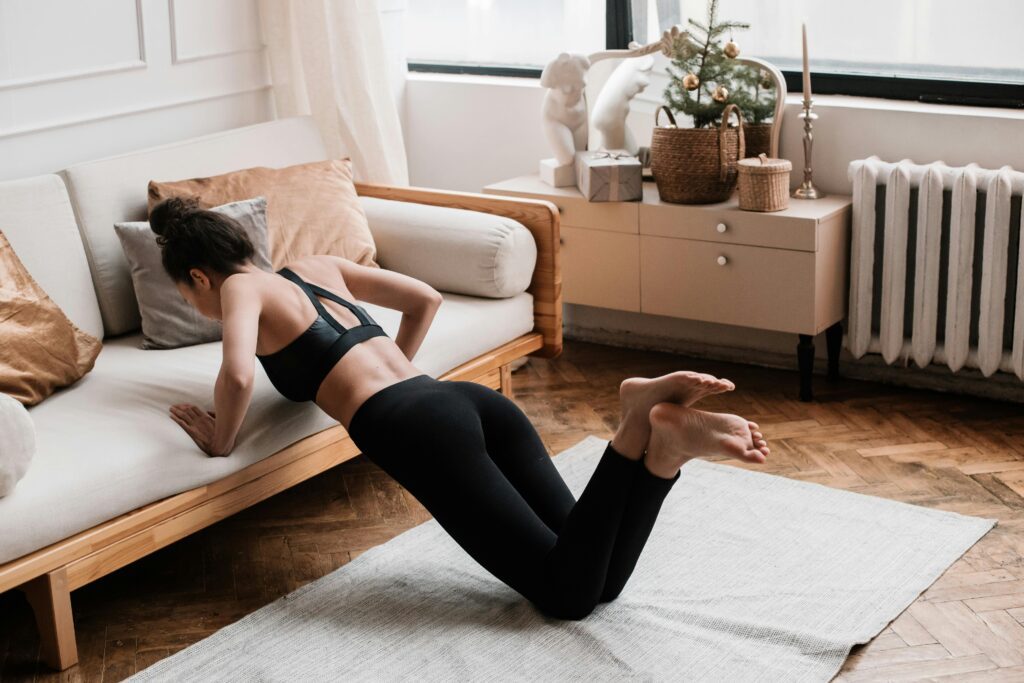
- Knee Push Ups or Common Push Ups
- 3 Sets × Reps of 6-
- Maintain a straight body line
- Bench Dips (Ass
- 3 series × 8-12 reps
- “Keep shoulders controlled”
- Shoulder Taps
- 3 sets + times 10-16
- Concentrate on core stability
- Rest: 60-90 seconds between sets
This session will increase pushing strength in a safe manner. In a beginner’s calisthenics workout plan, push strength will always precede highly skilled movements.
Day 2: Emphasis on Lower Body
- Bodyweight Squats
- 3 sets × 12-15 reps
- Slow and controlled
- Reverse Lunges
- 3 sets × 8-10 reps per leg
- Better on the knees than Front Lunges
- Glute Bridges
- 3 sets × 12-15 reps
- Pause at the top
- Standing Calf Raises
- 3 sets | 15-20 reps
- Utilize full range of motion
Some lower body exercise work is often overlooked in starting exercise programs. This is a bad practice. The legs are of great significance for balance, posture, and athletic performance.
Day 3: Pull + Core Focus.
The action of pulling is the most difficult part for novices. It is precisely this reason why one must train the action from the very beginning.
- Inverted Rows (Table or Rings)
- 3 sets 6-10 reps
- Bend knees if necessary
- Dead Hangs (Grip Strength
- 3 sets of 20-40 seconds
- Enhances shoulder and grip positional stability
- Plank Hold
- 3 sets × 20-45 seconds
- Quality over duration
- Bent-Knee Leg Raises
- 3 sets x 8-12 reps
- Involves engage. Rather than letting
An effective calisthenics workout plan for a beginner should aim at building a strong back and core.
Warm-Up and Cool-Down (Don’t Skip This)
Warm-Up (5–8 minutes }
- Arm Circles
- Hip rotations
- Light squats
- Shoulder mobility drills
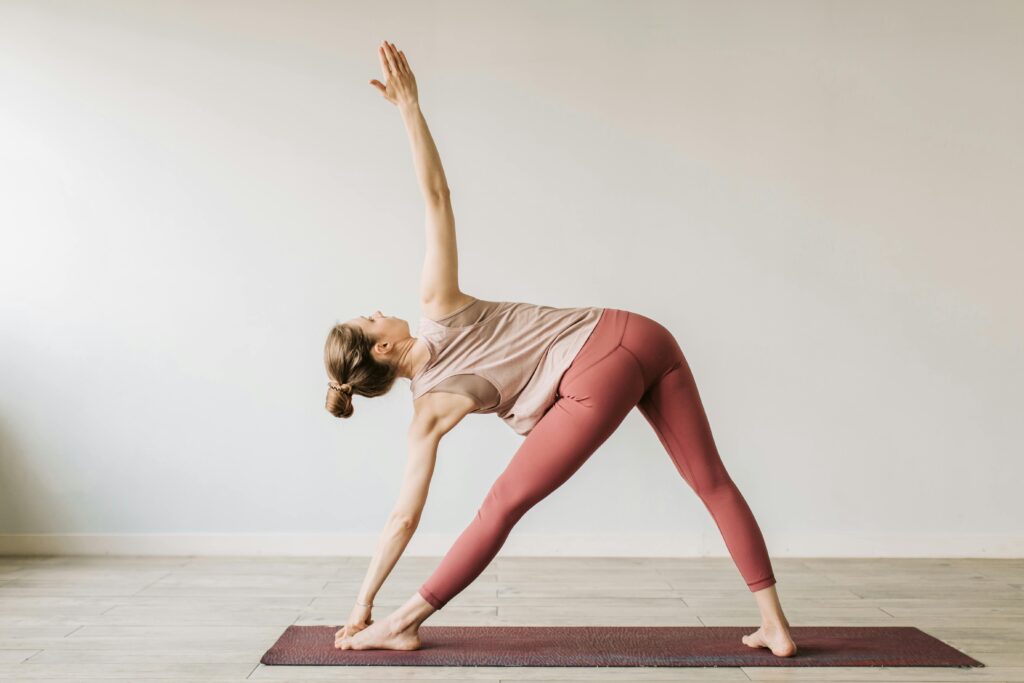
Cool-Down (5 minutes}
- Hamstring stretch
- Chest and shoulder stretch
- Breathing exercises
Going without warm-up exercises does not display discipline. It displays a lack of foresight.
How Beginners Should Progress
Progression: The area where new traders can sabotage themselves.
Appropriate Progression Techniques
- “Increase reps first”
- Then sets of increasing size
- Next, proceed to more challenging variations
Example:
8 push-ups = 12 push-ups = decline push-ups
This is not a race; therefore, you must not hurriedly undergo this process. Actually, a calisthenics workout plan for beginners is one
How Long Each Workout Should Last
30-45 minutes total
Longer sessions mean lost time/lost concentration
Beginner Errors That Stymie Progress
Let’s speak plainly:
- Every day Training
- ignoring the role of pulling exercises
- Chasing Sweat Rather Than Strength
- Avoiding rest days
Each year, there will be an average Adherence to a simple exercise routine while following calisthenics workout plan beats anything that can be considered “advanced” done randomly.
When to Increase Difficulty
While children can
You’re ready to move ahead when:
- You do all your reps with proper form
- You are able to finish workouts without experiencing any discomfort from your
- Recoveries are doable
If you are feeling sore or tired all the time, then it’s too early for progression
Nutrition, Recovery, and Long-term Outcomes
How to Support a Calisthenics Workout Plan for Beginners
Effective physical activity will not occur as a result of training alone. This is because if so, then people performing random push-ups will always be physically fit.
The secret to successful calisthenics workout plan for beginners lies not in the workout routine but in nutrition and consistency to determine their effectiveness.
This final section addresses the support structure that sustains the training program – without muddying the waters or peddling myths.
Nutrition for Beginners Performing Calisthenics
To qualify your diet as adequate rather than optimal—it is a matter of your goals and satisfaction—there may have to be no more
- “They eat too little and stall progress”
- They consume randomly and put on extra fat
A calisthenics workout plan for beginners must consume enough calories to recuperate from training and must limit nutritional options.
Calories: The Non-Negotiable Reality
- If you don’t eat enough → your strength will not grow
- If you eat too much → fat gain increases
Cutters will want to keep their caloric intake at or slightly below maintenance, while beginners will want to keep their calories as high as they can while still losing
Protein: Why It Matters (And Why Beginners Underestimate It)
Protein helps build and rebuild muscle tissue and increase strength. A well-designed calisthenics program will fail if adequate amounts of protein are not consumed.
General guidelines for beginners:
- 0.7–0.8 grams per pound of lean body weight
- Spread over meals
- There will be no obsession over timing.
A calisthenics workout plan for beginners doesn’t require supplements; it requires consistency.
Good Sources of Protein for Vegetarians (Practical, Not Exotic)
The challenge here is that vegetarians who are beginners tend to consume fewer protein diets without even knowing it. This issue can be remedied.
High Quality Vegetarian Protein Sources
- Lentils & Dal
- Chickpeas and Kidney beans
- Tofu, Tempe
- Paneer and Greek Yogurt
- Dairy and curd
- Nuts and Seeds (Supporting, not Primary)
You do not have to use expensive powder. Whole foods are what you need when taken on a regular basis.
If recovery seems slow, protein is often what’s lacking, not the exercise routine.
Carbohydrates & Fats: Do Not Fear Them
Carbs sustain training. Fats aid hormone levels.
A common mistake that newbies make is restricting their carbohydrate intake, only to wonder later why they’re feeling so
Simple rule:
- Carbohydrates around training time
- Add healthy fats to your daily diet
- Avoid Extremes
A calisthenics workout plan for beginners has to focus on a well-balanced diet and not dieting.
Dehydration and Hydration
Hydration is considered the most
It weakens your strength and coordination, which are imperative for bodyweight training.
- Drink water regularly
- Don’t Rely on Thirst Alone
- Boost consumption on training days
“Well, this is basic, but basics, if not observed, will kill
Recovery: Where Beginners Actually Get Stronger
Muscle and strength do not increase during training. The increase happens between training sessions.
The calisthenics workout plan for beginners is crafted to have rest incorporated into it – if one honors it.
Sleep
- Aim for: 7-9 hours
- Inconsistent sleep = Inconsistent Results
- There is no substitute for sleep
Rest Days
- Rest Days are training days for your Nervous System
- Light walking or stretching can be done
- Strong training on rest days is not discipline; it’s simply impatience.
Soreness vs Progress: Understand the Difference
It feels very productive, but the truth is that it signifies very little
“Sore” Doesn’t Mean “Stronger
- Pain is not adaptation
- Pursuing pain results in burnout
- Chasing soreness leads to burnout
Progress will be determined by improved reps, improved control, and incremental strength gains – not by pain.
How Long Before Beginners See Results?
This is the real timeline that most blogs won’t share with you:
2-3 weeks
- Enhanced coordination
- Improved movement control
- Boosted Confidence
6 to 8 weeks
- “Noticeable muscle strength gains
- Enhanced endurance
- Clothes fit differently
12+ Weeks
- Visible changes in body composition
- Good starting point for higher skills
“The calisthenics workout plan for beginners takes time to show results and hence, if you’re expecting a miracle in two weeks, you’re expecting the wrong thing—not the routine.”
How to Track Progress Correctly
“Beginners tend to write down the wrong numbers.”
Track These:
- Reps with proper form
- Hold times (planks, _h
- How exercises feel over time
- Don’t Obsess Over:
- Everyday scale weight
- Pump or soreness
Social Comparison on Social Media Sites
Progress is the most tedious thing in the world when it’s being accomplished correctly, and that’s a positive indicator.
When to Adjust Your Calisthenics Workout Plan
Do not change your plan every week.
Modify only if:
You’ve followed it for 6-8 weeks
There certainly appears to be no progress.
- Recovery: It’s good but there’s no improvement in strength
A majority of novices give up on the brink of the point where
“Long-Term Success Rules (No Motivation Talk)”
If you want this to work for you in the long run, you need to follow these rules:
Mastering Fundamentals Before Pursuing Skills
- Keep the plan simple
Eat adequate protein
Sleep more than you scroll
Avoid comparisons of your beginning to someone else’s midpoint
A beginner’s exercise routine using calisthenics isn’t about intensity, but about compliance.
Frequently Asked Questions (FAQ)
- Is this calisthenics workout plan for beginners suitable for total beginners?
Yes—and that’s the whole point. This program is for individuals who have either no training experience or very little. The exercises will provide the client with regressions, controlled volume, and manageable frequency.
If you can walk, squat, and push your body off of the ground, then you can incorporate this program.
- How many days a week should a beginner perform calisthenics exercises?
A beginner should train only 3 days a week.
The more you train, the slower the results will come. This is especially true in calisthenics. The calisthenics workout plan that follows is designed with rest days in mind to allow the muscles, joints, and nervous system a time to adapt.
More is not better. Better is best.
- Are Calisthenics Suitable for Learners That Want
However, it is possible: yes—to build muscle using calisthenics, and this is particularly possible in the initial 6 to
Bodyweight exercise generates enough resistance in the following conditions:
Form is governed
REPS are progressed slowly
This is a calisthenics workout plan that emphasizes progressive overload and is actually the key for muscle development and not the equipment used.
- Do you need equipment to do this calisthenics workout plan?
No equipment is necessary, but some is helpful.
Optional tools:
Pull-up bar or table for rows
Resistance bands
In
Exercise mat
The routine is designed in such a way that beginners could do the routine from the comfort of their own homes without going to the gym. Equipment is optional and helps in progression only.
- How long should my workout sessions be?
A training session should last between 30 and 45 minutes.
If the duration of the sessions exceeds an hour, this could indicate that either the volume is set too high or the rest phases are not efficient. An appropriate calisthenics training routine for a beginner involves quality over quantity.
- What if I can’t do a push-up or a pull-up?
That’s normal – and expected.
This plan covers:
Incline push-ups
Knee Push-Ups
Inverted Rows
Assisted Holds
Anyone can improve by learning simpler variations first. Strength is built, not tested.
If a plan does not include this consideration, then the plan is not a beginner’s plan.
- Is calisthenics suitable for overweight beginners?
Yes, with the proper regressions and pacing.
Overweight beginners must:
Do Incline Exercises
Emphasis on Controlled Reps
“Respect rest days.”
This calisthenics workout routine for beginners is non-impact and focuses on joint-friendly movements and therefore is the correct plan to follow.
- What should beginners eat while following this plan?
Learning for beginners should include:
–
Adequate Calories – No Extreme Dieting
Sufficient Protein Intake
Well-balanced food including carbs and fatty acids
“Vegetarian protein sources such as lentils, paneer, tofu, yogurt, and legumes are sufficiently adequate if eaten regularly.”
Training without adequate nutrition will never produce optimal results—it’s as simple as that.
- Are beginners able to burn fat using Calisthenics
Yes, fat loss is achievable if:
Calorie intake is regulated
Training is uniform
Recovery is adequate
“A calorie deficit, however, should not be pursued vigorously for a beginner; hence a maintenance diet is most appropriate for a beginner’s workout routine of calisthenics.”
Extreme dieting will impair muscle strength development.
- How long does it take to experience results with calisthenics?
“Most people, especially beginners
Enhanced strength in 3-4 weeks
Visible Changes after 8-12 Weeks
Results are a function of consistency, nutrition, sleep, and quality of effort; it isn’t about motivation. The above strategy is not for short-term gains but is long-term oriented.
11. Is it necessary for beginners to train to failure.
It will also lead to increased fatigue and recovery. Newbies must finish training at least 1-2 reps below failure. It ensures continuous progression and prevents joint problems. A smart calisthenics workout plan for a beginner focuses on sustainability.
12. When should I progress to advanced exercises of calisthenics?
Only after: The basic movements look powerful and controlled Recovery is solid Variations for beginners have made less progress More advanced skills have foundations laid for them. Missing steps always translates to higher costs of time in the future.
13. Is Calisthenics Better than Weight Training for Beginners?
There is no “better” in either Calisthenics exercises tend to be more doable and easier on joints for a starter. Thus, a calisthenics workout routine for starters can be a brilliant kick-start, especially for home workouts.
Conclusion: Why This Calisthenics Workout Plan for Beginners Actually Works
The biggest problem with starting a weight training journey is that beginners fall short not due to the absence of motivation. They fall short due to the fact that the strategies they are using are never intended to work on beginners in the first place.
Random training, advanced training, unrealistic goals, and recovery will stop an individual long before discipline will.
The reason this calisthenics workout plan for beginners is so effective is that it takes a reality check.
It honors where beginners recover position on the board after
It respects the way strength truly grows.
It is consistent and honors the principle that consistency will trump intensity every time.
Instead of being tempted by glitzy exercises, this approach offers something better. Handstand before push-up. Row before muscle-up. Control before speed. Now that is not boring. That is just smart.
Another aspect of this approach is balance.
You don’t simply train; training isn’t considered the “answer.” Nutrition, veg protein, recovery, sleep, and progression are interrelated components of an entire system.
Take one piece of this system away, and the results will stagnate, but contribute to the entire system, and the progression will be predictable.
If you stick to this home workout routine for beginners and do not miss a single session for 2 to 3 months without changing your exercises too frequently and without drastically cutting your calorie intake, your body will build strength. This is not a marketing claim; this is biology.
The toughest part of the program isn’t the exercises.
“The toughest part is having patience when things aren’t happening as fast as you want.”
But slow and steady wins the day when compared to fast progress that leads to burnout.
Adhere to the plan. Be considerate of recovery. Get sufficient protein.
Let the results compound.
Pingback: 10 Powerful Calisthenics Workouts for Beginners to Build Strength, Not Stress -