
Table of Contents
Introduction
Today’s life is stressful and hectic. Anxiety attacks are on the rise, leaving people helpless and feeling overwhelmed. Medications and therapy are common methods to deal with them, but there is a natural and effective solution: calisthenics.
These equipment-free bodyweight exercises can be performed anywhere and have both mind and body advantages.
Calisthenics is not only about muscle building but also assists in managing mood, cutting stress, and generally maintaining mental well-being.
This blog will take you through 7 strong calisthenics exercises that will assist you in overcoming anxiety attacks and developing strength and endurance. With these exercises incorporated into your daily routine, you are able to feel more capable of managing both mind and body.
1. What is Calisthenics?
Calisthenics is an exercise method that relies on your own body as resistance. It originated from ancient Greece when physical fitness was the most important thing for both the body and mind.
bodyweight training differs from the conventional gym exercises because it utilizes natural movements like pulling, pushing, squatting, and balancing.
The advantages of calisthenics go beyond muscle development. It enhances flexibility, balance, and stamina. For those with anxiety, bodyweight training is a wonderful means of breaking down tension and engaging in mindful movement.
Through an emphasis on controlled movement and body sense, calisthenics promotes a healthy mind-body relationship, which is essential for mental health.
2. How Calisthenics Prevents Anxiety Attacks
Exercise significantly affects mental well-being, and bodyweight training is not an exemption. When you work out with body weight regularly, your mind releases endorphins, which are natural mood lifters.
These substances lower stress, making you feel relaxed and concentrated.
bodyweight training also assists in regulating cortisol, the stress hormone. Planned movements like squats or planks use body and mind, concentrating on the moment of now instead of worrisome thoughts.
The breathing techniques used during calisthenics exercise also soothe the nervous system, lessening the frequency and severity of anxiety attacks.
Studies have shown that combining regular exercise with mindfulness techniques significantly reduces anxiety symptoms. By practicing bodyweight training consistently, you not only strengthen your body but also develop resilience against mental stress.
3. Key Principles of Strength-Building in Calisthenics
Building strength through calisthenics requires more than just doing exercises randomly. Key principles include:
- Progressive Overload: Gradually increasing repetitions, sets, or difficulty ensures continuous strength gains.
- Proper Form: Avoiding injuries and optimizing muscle activation with correct posture.
- Consistency: Practice consistently to achieve more than short, intense bursts.
- Recovery: Proper rest and diet enable muscles to repair and grow.
Adhering to these principles, not only does bodyweight training develop visible strength, it enhances functional fitness so that normal daily activities are effortless and energy-efficient.
4 – 7 Powerful Calisthenics Workouts
These 7 powerful bodyweight training exercises are created to alleviate anxiety and develop strength.
1. Upper Body Strength with Push-Ups
Push-ups are an old bodyweight training exercise that builds the chest, shoulders, and triceps. They also involve the core, enhancing stability.
- Standard Push-Up: Hands shoulder width apart, lower the chest to the ground, then push back up.
- Diamond Push-Up: Place hands in a diamond position; works triceps.
- Wide-Arm Push-Up: Works chest and shoulders more intensely.
Push-ups also boost blood flow, releasing endorphins that soothe the mind and are a great relief from anxiety.

2. Pull-Ups for Upper Body and Core Strength
Pull-ups are fundamental in developing upper body strength. They engage the back, shoulders, and arms while also activating the core.
- Standard Pull-Up: Shoulder-width grip on the bar, pull your chin above the bar, slowly lower.
- Negative Pull-Up: Jump up to the top, slowly lower; good for beginners.
- Resistance Band Pull-Up: Band assistance aids beginners in progressively building strength.
Pull-ups enhance posture, which indirectly increases confidence and mental concentration. The controlled motion also lowers stress levels.
3. Squats for Lower Body Power
Squats develop the quadriceps, hamstrings, glutes, and core. Squats play a critical role in the development of lower body power and balance.
- Air Squat: Standard bodyweight squat, feet shoulder-width apart.
- Jump Squat: Incorporates cardio and explosive strength.
- Pistol Squat: Advanced single-leg squat; enhances balance and mobility.
Squats enhance the circulation of blood to the brain and relieve tension from the lower body, which helps to reduce symptoms of anxiety.
4. Planks for Core Stability
Planks are amongst the best calisthenics exercises for the core. They develop abs, lower back, and shoulders.
- Front Plank: Keep body straight on forearms and toes.
- Side Plank: Develops obliques and improves balance.
- Dynamic Plank: Adds shoulder taps or leg lifts for intensity.
Planks instruct mental toughness and concentration, with a feeling of peace and control in times of stress.
5. Dips for Arm and Shoulder Strength
Dips work the triceps, chest, and shoulders. They can be done with parallel bars or a strong bench.
Bench Dip: Hands behind on a bench, lower your body slowly, push back up.
Parallel Bar Dip: More challenging, involves chest and core.
All of these exercises enhance posture, upper body strength, and confidence that may alleviate symptoms of anxiety.
6. Lunges for Balance and Coordination
Lunges enhance leg strength, balance, and coordination while activating the core.
- Forward Lunge: Step forward and lower body to knee level until 90 degrees.
- Backward Lunge: Step back to minimize strain on knees.
- Side Lunge: Activates inner thighs and stabilizers.
Lunges encourage body-mind awareness, making them perfect for anxiety reduction and concentration.
7. Burpees for Overall Strength & Stress Relief
Burpees are a high-intensity bodyweight training exercise that integrates cardio and strength training.
Step-by-Step: Start standing, drop down to a plank, do a push-up, jump up powerfully.
Burpees raise the heart rate, release stress hormones, and enhance endurance.
This full-body exercise increases full-body energy, enhances mood, and breaks the chain of fearful thoughts.
5. Designing a Calisthenics Plan for Anxiety and Strength
Consistency is the key. Here’s an easy weekly schedule:
- Beginner: 3 days/week; 2 sets of 8–12 reps per exercise.
- Intermediate: 4–5 days/week; 3 sets of 12–15 reps.
- Advanced: 5–6 days/week; 4 sets, introducing variations for added challenge.
Pair exercises with deep breathing or meditation for maximum anxiety reduction. Monitor progress to stay motivated.
6. Nutritional Hints to Help Calisthenics and Mental Health
- Consume protein-containing foods: eggs, chicken, legumes.
- Add complex carbs for energy: oats, quinoa, brown rice.
- Brain-friendly fats: nuts, avocado, olive oil.
- Hydration prevents fatigue and facilitates recovery.
Nutrition boosts muscle growth and mental clarity, optimizing calisthenics benefits.
7. Seven Mistakes to Avoid when doing Calisthenics
- Avoiding Warm-Ups: May result in injuries.
- Poor Form: Ineffective, putting excessive strain.
- Overtraining: Rest days are necessary for recovery.
- Neglecting Mental Health: It’s not just exercise; practice mindfulness with calisthenics too.
Avoiding these errors provides for safe and effective progress.
8. Success Stories
Several individuals have revolutionized their lives using bodyweight training . For example:
Sarah, 28, alleviated panic attacks by performing calisthenics 4 times weekly.
Raj, 32, enhanced his upper body strength and concentration, enabling him to cope with work-related stress.
These testimonies demonstrate that consistent exercise in calisthenics can yield real mental and physical outcomes.
Burpees for Overall Strength & Stress Relief
- Burpees are a high-intensity calisthenic exercise that integrates cardio and strength training.
- Step-by-Step: Start standing, drop down to a plank, do a push-up, jump up powerfully.
- Burpees raise the heart rate, release stress hormones, and enhance endurance.
- This full-body exercise increases full-body energy, enhances mood, and breaks the chain of fearful thoughts.
More Information on bodyweight training for Anxiety Relief and Strength Gain
- The Physiology of bodyweight training and Stress Reduction
Although most know exercise to reduce stress, why bodyweight training is so good at it is scientifically interesting. Your brain secretes endorphins when engaging in physical activity, which are natural mood elevators. These chemicals lower pain perception, improve happiness, and neutralize anxiety.
Additionally, bodyweight training is repetitive, rhythmic movement. This rhythmic movement has a meditative influence on the brain, much like mindfulness exercises, to promote declining thoughts during an anxiety attack.
Research has indicated that people who participate in consistent bodyweight exercises report less cortisol and better emotional stability.
- How Calisthenics Enhances Sleep and Mental Clarity
Sleep quality has a direct impact on anxiety. Individuals with insomnia or sleep disorders tend to have panic attacks and stress more easily. Calisthenics can enhance sleep by:
- Boosting melatonin production, the sleep-regulating hormone.
- Relieving muscle tension and mental stress.
- Regulating blood sugar, avoiding the energy spikes in the middle of the night that lead to sleep disruptions.
Improved sleep strengthens memory, concentration, and overall mental acuity. Regular calisthenics can regulate sleep patterns, which indirectly decreases anxiety attack frequency.
- Mental Benefits Aside from Anxiety Relief
Calisthenics does not just build muscles; it builds mental toughness. Here’s how:
Boosted Confidence: Mastering difficult exercises such as pull-ups or pistol squats provides a sense of accomplishment, which increases confidence.
Focus and Concentration: Complicated movements demand undivided attention, which conditions your mind to remain present.
Stress Adaptation: Gradually increasing stress conditions both the body and mind to adapt to stress more effectively.
Through calisthenics, you cultivate a mindset capable of approaching challenges in a peaceful manner, whether physical or mental.
- Calisthenics for Posture and Spinal Health
Most people suffering from anxiety carry tension in their neck, shoulders, and back. Calisthenics exercises like planks, push-ups, and pull-ups build postural muscles, which decrease stiffness. Better posture also decreases headache, backache, and the physical manifestations of stress.
Standing upright and walking and moving with good alignment can boost confidence and ground you more, which indirectly battles anxious thoughts.
- Blending Calisthenics With Mindful Breathing Exercises
To get the most out of calisthenics’ anxiety-reducing benefits, exercising with conscious breathing is extremely effective. Such examples include:
Box Breathing: Breathe in for 4, hold for 4, breathe out for 4, hold for 4. Use when doing planks or lunges.
Deep Belly Breathing: Activates the diaphragm, relaxing the tension in the shoulders and chest.
Being mindful of breathing during weightlifting promotes oxygen to the brain, relaxes the nervous system, and moderates the severity of panic attacks.
- Calisthenics Warm-Ups and Mobility Work: Why They Are Important
Most individuals bypass warm-ups, but for calisthenics, mobility work is essential:
- Dynamic Stretching: Leg swings, arm circles, torso twists condition joints for movement.
- Joint Activation: Ankle rotations, wrist rotations, and shoulder rotations avoid injuries.
- Light Cardio: Jumping jacks or jogging in place elevate heart rate slowly.
- Proper warm-ups decrease strain, enable smoother motion, and make sure that stress-reducing advantages of exercise aren’t negated by pain or harm.
- Breaking Sedentary Lifestyle Using Calisthenics
Sedentary activities are common in today’s lifestyle, sitting for long periods of time, and it tends to augment anxiety levels and decrease the energy level. Calisthenics uses small, regular bursts of movement to fight sedentary behavior:
Short bodyweight exercises can be performed during work breaks.
Simple exercises such as squats and lunges negate the ill effects of long periods of sitting.
Regular activity improves circulation and oxygen to the brain, which decreases anxiety.
Even 10–15 minutes of calisthenics at lunch can greatly enhance mood and mental acuity.
- Calisthenics and Endorphin Cycling
Another distinctive aspect of calisthenics is that it creates an “endorphin cycle.” As your body performs increasingly challenging exercises:
- Endorphins are released during exercise.
- Recovery after exercise allows further endorphin release.
- Cycles repeated over days build cumulative mind resilience.
The cycle not only builds the body but also constructs a long-term insurance policy against anxiety.
- Advanced Calisthenics Movements for Stress Release
After you feel confident with basic movements, advanced calisthenics can take strength and anxiety control further:
- Muscle-Ups: Combines pull-up and dip; full-body strength and coordination.
- Handstand Push-Ups: Develops shoulder strength and demands high concentration.
- Front Lever / Back Lever: Core-building movements that demand concentration, patience, and discipline.
Advanced movements push mental limits, teaching calmness under stress—useful for anxiety control.
- Outdoor Calisthenics for Vitamin D and Mood
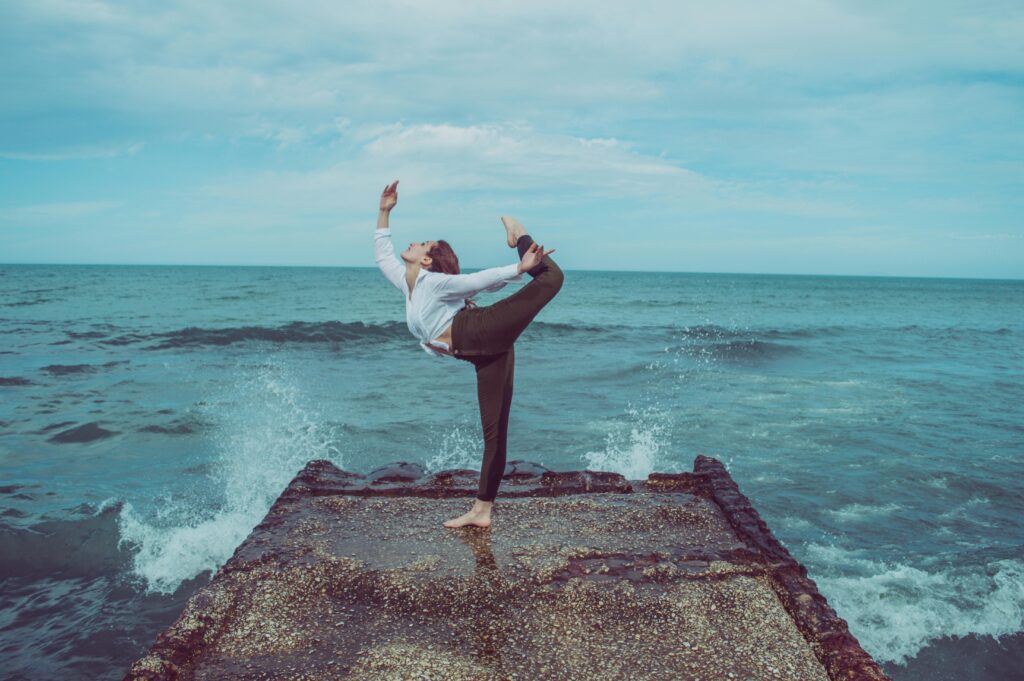
Performing calisthenics outdoors has added benefits:
Sunlight exposure increases Vitamin D, improving mood and cognitive function.
Fresh air and natural surroundings reduce stress hormones.
Engaging in a public park or open space allows for social interaction, indirectly supporting mental health.
Outdoor workouts combine the physical benefits of calisthenics with natural anxiety-relieving elements.
- Combining Calisthenics With Meditation and Yoga
- Integrating light calisthenics with yoga or meditation can amplify results:
- Pre-workout meditation helps focus the mind.
- Post-workout yoga stretching minimizes soreness and maximizes flexibility.
- Mindful movement transitions remind you to maintain calmness and body awareness.
- This integrative system helps you focus on both mental and physical wellness in balance.
- Monitoring Progress and Motivation
- Most newbies quit halfway because they don’t perceive instantaneous results. To remain motivated:
- Keep a calisthenics journal to record reps, sets, and mood shifts.
- Achieve little weekly goals, such as extending plank holding time or push-up reps.
- Celebrate successes, however tiny, to support consistency.
- Monitoring progress gives a sense of agency and accomplishment, which is especially helpful for managing anxiety.
- Calisthenics for Social Interaction and Group Exercises
- Participating in calisthenics groups or online forums can enhance accountability and social support:
- Social interaction suppresses feelings of loneliness, a frequent anxiety attack trigger.
- Group challenges encourage consistency.
- Exchange of tips and success creates a positive feedback loop.
- Community involvement also provides a fun, supportive component to your mental health journey.
- Calisthenics Equipment Upgrades
While old-school calisthenics does not need equipment, incorporating simple tools can make it more effective:
- Pull-Up Bar: For varied upper body work.
- Resistance Bands: Assist beginners in developing strength without risk.
- Gymnastic Rings: Incorporate instability, engaging more muscles and concentration.
These accessories augment bodyweight exercises with the emphasis remaining on natural, functional motion.
- Calisthenics as a Lifestyle for the Long Term
- Lastly, calisthenics is not only a short-term exercise program; it can be a lifelong way of life:
- Can be tailored to any fitness level.
- Little equipment and space needed.
- Physical, mental, and social rewards combined.
- Encourages long-term decrease in anxiety attacks and lifelong strength.
By embracing calisthenics as a lifestyle, you build resilience, self-discipline, and a better mind-body relationship.
- Motivational Tips to Stick With Calisthenics
- Visualize the peace and strength you desire.
- Begin with 10 minutes each day and increase intensity over time.
- Alternate exercises to prevent boredom and remain interested.
- Reward persistence instead of perfection.
Motivation makes it easier to stick with calisthenics, so anxiety management is a natural spin-off.
- Blending Calisthenics With Healthy Habits
For optimal impact:
- Get 7–9 hours of sleep per day.
- Steer clear of too much caffeine or sugar, which can be anxiety-provoking.
- Combine calisthenics with gratitude journaling to balance out your mind.
- Do workouts together with water intake and nutrition.
- Healthy habits synergize with calisthenics to enhance both mental clarity and physical strength.
Conclusion
Calisthenics is a strong, available tool to battle anxiety attacks as well as develop muscle. Through the addition of push-ups, pull-ups, squats, planks, dips, lunges, and burpees into your exercise regimen, you can see both mental respite and physical change.