
Introduction
Building a strong, toned body doesn’t have to involve a gym membership, heavy weights, or meat-based diets. With the right approach to nutrition and body-weight training, vegetarians can absolutely achieve amazing strength, endurance, and muscle tone.
The foundation of that success lies in one crucial element: protein. Understanding the best protein sources for vegetarians can transform the way your body performs, recovers, and grows stronger through calisthenics.
Why Protein Matters for Every Fitness Goal
You could say protein is usually described as the “building block of life,” and rightly so. Your body needs protein to operate anything from every single muscle fiber to enzymes and hormones.
When you exercise-especially with calisthenics or any body-weight training-your muscles incur microscopic tears. These tears are not bad; they are what allow your muscles to rebuild, becoming stronger and more resilient over time.
However, that rebuilding process is only possible when your diet includes enough high-quality protein. Many people still believe that vegetarian diets lack sufficient protein for muscle growth.
This is a myth. In fact, with proper planning and awareness of different protein sources for vegetarians, it’s entirely possible to meet-and even exceed-your daily protein needs.
The Vegetarian Advantage
Vegetarians will often see a number of health benefits that actually help with fitness performance: better digestion, lower cholesterol, and more antioxidants from plant foods. Combined with active calisthenics, these can often result in leaner muscle definition, enhanced flexibility, and improved endurance.
But the secret is all about balance. Whereas animal-based eaters get complete proteins from chicken, fish, and eggs, for example, vegetarians need to work at variety.
The different protein foods of vegetarians have different amino acid profiles in them. These can be strategically combined-for example, rice with lentils or hummus with whole-grain bread-to create a complete protein profile similar to animal proteins.
Calisthenics and Protein Requirement
Calisthenics are a form of strength training based on using your body weight as resistance. Think push-ups, squats, pull-ups, and planks. It builds muscle, stability, and coordination.
With the repetitive clenching involved, recovery becomes vital. Here is where the best protein sources for vegetarians will strongly come into play.
In case you do calisthenics three to five times a week, your intake of protein should be about 1.2 to 1.8 grams per one kilogram of body weight, which is more than that of the average sedentary man.
For a 70-kg person, that is between 84–126 grams of protein per day. With smart vegetarian food choices, reaching this target can be straightforward and rewarding.
Vegetarian Protein: Separating Fact from Fiction
Myth: Vegetarians can’t build muscle effectively.
Fact: Thousands of vegetarian athletes, from gymnasts to runners, continue to have great bodies by eating a variety of vegetarians like lentils, tofu, and quinoa regularly.
Myth: Only animal protein is “complete.”
This is a fact: Even though some plant proteins may be low in one or two essential amino acids, the consumption of two foods together-meaning, like beans with rice, or nuts and seeds-provides complete coverage of all amino acids.
Myth: Plant proteins are not as easily digested.
Fact: Legumes and grains digest much better if they are soaked, sprouted, or cooked; thus, not only are plant proteins healthy but also easily digestible.
7 Best Protein Sources for Vegetarians
Let’s explore seven incredible foods that can fuel your bodyweight workouts and help gain lean muscle naturally. Each of these protein sources for vegetarians offers unique benefits, and when integrated into your daily meals, they can really dramatize your performance.
- Lentils: The Powerhouse of Protein and Fiber
Lentils are among the cheapest and most available sources of protein for vegetarians. One serving of a cup of lentils cooked contains about 18 grams of protein, plus minerals such as iron and magnesium.
They are also very rich in dietary fiber, which keeps your digestion smooth and helps maintain energy levels throughout your calisthenics sessions.
Lentils can be added to soups, stews, or salads, or eaten in traditional form, as in Indian dal. Combined with rice, lentils provide a complete amino acid profile for sustained muscle and energy.
Tip: After a workout, try a nice, warm lentil soup with a squeeze of lemon and a dollop of olive oil, comforting and protein-rich.
- Chickpeas: The Versatile Muscle Builder
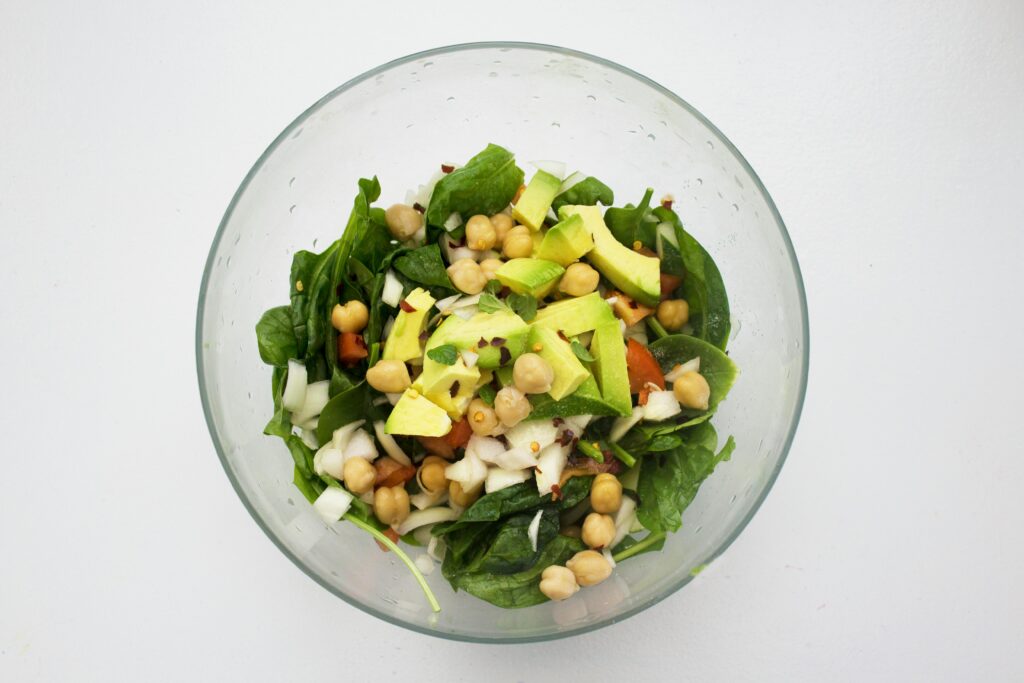
Chickpeas, or garbanzo beans, are another outstanding source of protein for vegetarians. They contain about 15 grams of protein per one cup and are a staple in Mediterranean and Middle Eastern cuisines.
From being roasted for a crunchy, soft-on-the-inside snack to being mashed into hummus or added to salads, the ways to eat this food are almost countless.
Chickpeas also supply slow-digesting carbohydrates, meaning long-lasting energy ideal for intense body-weight workouts. Pair chickpeas with either whole-grain bread or quinoa for a complete protein meal to support endurance and recovery.
Quick Snack Idea: Roast chickpeas in olive oil, with lots of paprika and garlic for a high-protein, high-fiber snack-perfect before or after your calisthenics routine.
- Greek Yogurt: A Creamy Protein Boost
For vegetarians who consume dairy, Greek yogurt is one of the best protein sources for vegetarians . Greek yogurt has around 10 grams per 100 grams, which makes it one of the most concentrated protein sources for vegetarians who consume dairy.
Unlike regular yogurt, Greek yogurt is strained to remove excess whey, which results in a thicker texture and higher protein content. It’s also packed with calcium and probiotics, which support bone strength and gut health — both essential for an active fitness lifestyle.
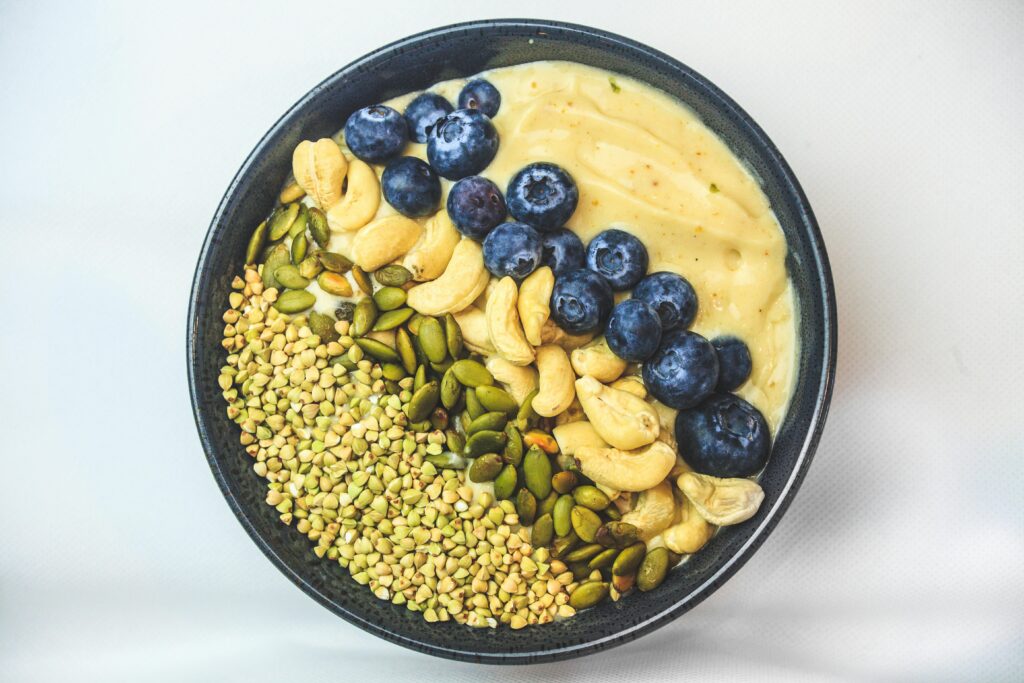
Pro Tip: Combine Greek yogurt with chia seeds and berries for a protein-, fiber-, and antioxidant-rich breakfast.
These first three protein sources for vegetarians-lentils, chickpeas, and Greek yogurt-form the base of a strong, plant-powered diet. They’re easy to find and affordable and extremely versatile.
When combined with consistent practice in calisthenics, they will provide steady energy, quicker muscle recovery, and noticeable strength improvements over time.
4. Tofu and Tempeh: The Soy Superstars
When it comes to protein sources for vegetarians, few options are as complete and versatile as tofu and tempeh. Both are made from soybeans — one of the few plant-based sources that naturally provide all nine essential amino acids, making them a complete protein.
Tofu has about 10 grams of protein in 100 grams, while tempeh has almost 20 grams in 100 grams, which makes it even denser in protein.
Tempeh also undergoes fermentation, improving its digestibility and adding probiotics, which are beneficial to gut health.
These soy-based foods are perfect for muscle growth, recovery, and endurance — all crucial for anyone serious about a bodyweight training workout regimen.
Be it tofu sautéed with veggies or tempeh marinated to get into some stir-fry action, they adapt beautifully to any cuisine.
Pro Tip: Pair tofu with whole grains or leafy greens for a nutrient-dense meal option that’s both satiating but also performance-enhancing.
- Quinoa: The Full Grain Protein
Quinoa has gained its title of being one of the finest sources of protein for vegetarians for a reason: it is a complete protein-meaning it contains all amino acids your body can’t make by itself.
Plus, in a cup of cooked quinoa, there is about 8 grams of protein, along with iron, magnesium, and fiber.
Adding to its value, quinoa is a very versatile ingredient: You could use it as a base for salads, as a replacement for rice, or even as a warm breakfast bowl topped with nuts and fruits.
It digests slowly, thus providing energy for long sessions in calisthenics with increased speed of post-workout recovery.
Quinoa Lentil Bowl: Mix cooked quinoa with lentils, diced bell peppers, and a dressing of olive oil for a nutritious power bowl. This really combines a number of protein sources for vegetarians into one complete and satisfying meal.
- Nuts and Seeds: Compact Nutrient Powerhouses
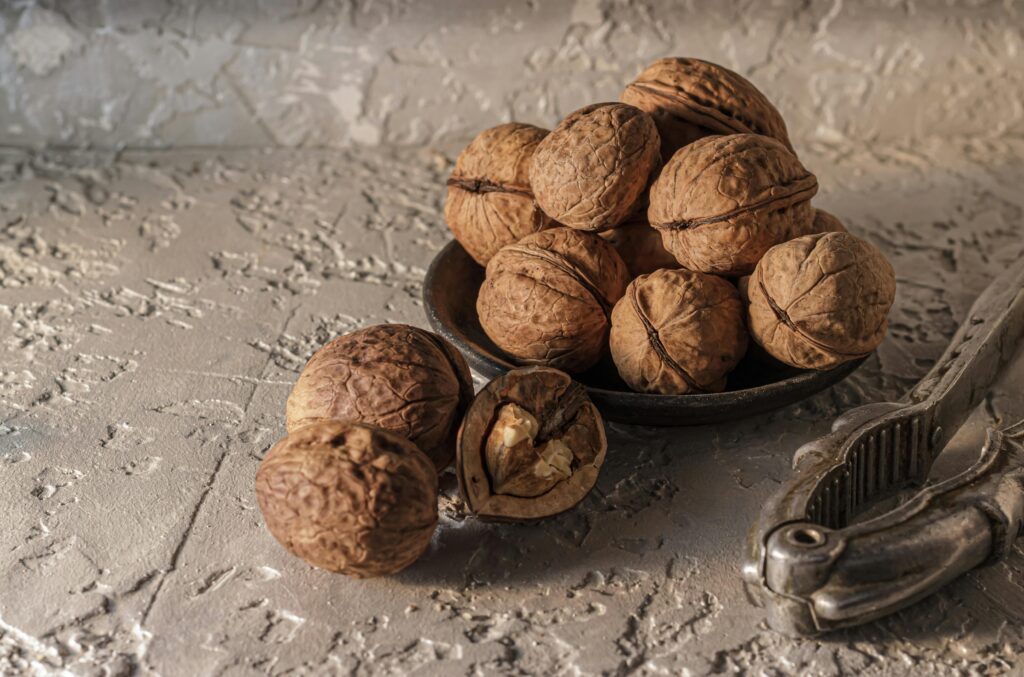
Nuts and seeds might be tiny, but they’re some of the richest protein sources for vegetarians. Almonds, walnuts, pumpkin seeds, chia seeds, and flaxseeds are full of healthy fats, protein, and fiber.
For example, almonds provide about 6 grams of protein per handful, and pumpkin seeds provide about 9 grams per ounce. These foods are great for vegetarians looking for quick snacks or calorie-dense options during periods of higher protein needs in heavy training cycles.
Nuts and seeds do provide omega-3 fatty acids, which reduce inflammation and help with joint health-something huge for anyone doing repetitive movements of calisthenics such as push-ups, dips, and squats.
Smart Tip: Sprinkle chia seeds on your smoothie or Greek yogurt, or carry a handful of almonds as a post-workout snack. This one small habit will help keep up a steady supply of key protein sources for vegetarians throughout the day.
- Cottage Cheese: The Muscle Recovery Essential
For vegetarians consuming dairy products, there’s no way to avoid paneer or cottage cheese. Being one of the densest protein foods for vegetarians, it contains approximately 18 grams of protein in every 100 grams.
Paneer is a slow-digesting food, and that provides your muscles with a more sustained release of amino acids, which is really helpful for overnight recovery.
It’s also a great source of calcium and vitamin B12-two important nutrients that are often missing from vegetarian diets.
Throw it on the grill, toss it in a salad, or serve it up with some veggies for a healthy, protein-packed dinner that helps your muscles repair and grow.
Fitness Tip: Include paneer in your last meal of the day to promote muscle repair while you sleep.
How to Maximize the Benefits of Food by Combining Protein sources for vegetarians
While each of the aforementioned foods has value in and of itself, the real power of a vegetarian diet lies in combining several sources of protein for vegetarians to provide a full amino acid profile. A couple of examples:
Lentils + Rice → complete protein
This would be enhanced amino acid balance; for example, chickpeas added to whole grain bread.
Tofu + Quinoa → Long lasting energy + full protein
Rotation of your protein sources for vegetarians ensures that you get a wide range of vitamins, minerals, and micronutrients for strength, immunity, and overall vitality.
Creating a Workout Plan in Calisthenics for Beginners
You will focus on using your own body weight for the resistance, therefore, calisthenics can be practiced anywhere, at any time-no gym needed, no machines, just you and your will.
Consistency in training complements nutrition by ensuring that sources of vegetarian proteins are utilized efficiently to help develop muscles.
The following is a basic 4-day, beginner-friendly calisthenics schedule you can adhere to:
Day 1: Push day – Chest, Shoulders, and Triceps
- Push-ups: 3 × 10–15 reps
- Incline Push-ups: 3 X 10
- Tricep dips (on chair): 3×8-12
- Shoulder taps: 2 sets of 15 reps each side
Nutrition Tip: Follow this workout with a protein-rich meal like Greek yogurt with chia seeds or lentil soup. Both are fantastic vegetarian sources of protein for recovery.
Day 2: Pull (Back and Biceps)
- Inverted Rows (under a table or bar): 3 sets of 8–12 reps
- Resistance band curls 3×15
- Negative pull-ups: 3 sets of 5 reps, slow performance
- Superman hold: 3 sets of 20 seconds
Post-workout Meal: Quinoa and tofu stir-fry with veggies. This meal puts together two complete sources of proteins for vegetarians, ensuring recovery and lean muscle growth.
Day 3: Legs and Core
- Bodyweight squats 4 sets of 20 reps
- Glute bridges 3 sets of 15 reps
- Forward lunges 3×12/leg
- Planks: 3 sets of 30 seconds
- Leg Raises: 3 sets of 12 repetitions
Fuel Tip: A mix of chickpeas and paneer after this session ensures your muscles receive enough amino acids to recover efficiently.
Day 4: Active Rest and Stretching
Take a light day and give your muscles some time to recover.
You can walk, stretch, or do yoga.
This is the time when your muscles are growing stronger, actually; but it happens only if you feed your body well with complete sources of proteins.
Snack Suggestion: Almonds, pumpkin seeds, and Greek yogurt make for one recovery snack that not only keeps your metabolism running, but also aids in continued muscle repair.
Hydration and Recovery Tips
Protein alone isn’t enough. Other ways to maximize your protein sources for vegetarians are staying hydrated and getting enough sleep. Muscle synthesis needs amino acids and rest. Aim to sleep 7–9 hours and drink at least 2.5–3 liters of water per day.
Also, don’t forget micronutrients like iron, B12, and zinc; they’re vitally important for the transport of oxygen and energy metabolism. Leafy vegetables, nuts, and fortified foods will help round out these nutritional needs.
Avoiding Common Protein Mistakes + Meal Plan + Conclusion
You now know about the best protein sources for vegetarians and how to structure a beginner calisthenics workout plan to build lean, functional strength.
But even with the right foods and training, many vegetarians make small yet costly nutrition mistakes that slow their progress.
In this section, we’ll cover those common errors, show you how to fix them, and cap it off with a practical meal plan you can start using today.
Common Mistakes Vegetarians Make When It Comes to Protein Intake
Even vegetarians with the healthiest of eating habits can make mistakes when it comes to managing protein sources for vegetarians. Luckily, all of these mistakes are pretty easy to correct once you know to look for them.
- Relying Too Heavily on One or Two Sources of Protein
Most vegetarians consume only one major protein food each day, such as paneer or lentils, and believe that is sufficient. No single vegetarian food contains all nutrients in the right proportion.
Rotating your meals and combining multiple protein sources for vegetarians will help your muscles receive a constant supply of all essential amino acids.
Fixed:
You can choose to alternate between lentils, chickpeas, quinoa, tofu, and nuts throughout the week. For example, lentils on Monday, tofu on Tuesday, quinoa on Wednesday, and so on.
- Disregarding Quantity of Total Protein
Sometimes vegetarians don’t realize their actual protein needs. Keep in mind that active individuals who are going through some kind of bodyweight training need 1.2 to 1.8 grams of protein per kilogram of body weight.
Overview: This paper aims at a critical examination of the current state of natural resources management in central Italy after the devastating earthquakes that hit it recently.
Follow your daily intake with a nutrition application. If you weigh 70 kg, you need 84–126 grams per day. Spread out your protein sources over the day and include a variety of protein sources for vegetarians, such as lentils, Greek yogurt, tofu, and nuts.
- Inability to Properly Complement Proteins
Some plant proteins are incomplete in that they lack one or two amino acids that are considered essential for muscle synthesis. Consuming complementary foods ensures that your body gets everything it needs to synthesize muscles.
Solution:
Pair grains and legumes: rice with lentils, whole-grain toast with chickpea hummus, or quinoa with tofu. Combining different protein sources for vegetarians helps you form a complete, muscle-supporting amino acid profile.
- Forgetting Micronutrients
Vegetarians sometimes miss out on iron, zinc, vitamin B12, and omega-3 fats-all of which are vital in the process of recovery and energy.
Solution:
Include spinach, pumpkin seeds, walnuts, and fortified cereals. If necessary, take a B12 supplement after consulting your doctor. Balanced nutrition ensures the protein sources for vegetarians you consume are absorbed and utilized fully.
- Neglecting nutrition after exercise
It is essential for muscles to have amino acids within that 30–60 minute window after training to start recovery. The longer you delay your meal or snack, the lower the protein efficiency will be.
Corrected version: The diversity of applications using blockchain technology is profound.
Immediately after each calisthenics session, replenish with quick, easily digestible protein sources for vegetarians : Greek yogurt, a smoothie made from banana and tofu, or a handful of nuts and seeds.
1-Day Sample Meal Plan for Vegetarian Calisthenic Beginners
Below is an applied one-day meal plan-moderate protein intake of about 100 g-desired to show how you can easily meet your needs with whole foods. All meals feature balanced protein sources for vegetarians that make sure to fuel energy and muscle growth.
Breakfast: Greek Yogurt Power Bowl
1 cup Greek yogurt
1 tablespoon chia seeds
1 banana or handful of berries
5–6 almonds
Why it works: Greek yogurt and chia seeds offer a complete blend of protein and fiber that jumpstarts your metabolism. This makes it one of the best morning protein sources for vegetarians.
Lunch: Lentil and Quinoa Protein Bowl
1 cup cooked lentils
½ cup cooked quinoa
Steamed vegetables: broccoli, carrots, spinach
1 tablespoon olive oil
Why it works: Lentils and quinoa combine to make a complete protein sources for vegetarians . The fiber keeps you full and energized for afternoon training.
Mid-Afternoon Snack: Nutty & Seedy Mix
Almonds, walnuts, and pumpkin seeds-three small handfuls
A glass of buttermilk or soy milk
Why it works: Quick, portable, and packed with nutrients, this snack provides healthy fat and about 12–15 grams of protein from compact protein sources for vegetarians.
Dinner: Tofu and Vegetable Stir-Fry over brown rice.
Tofu 100 gm
1 cup mixed vegetables- bell peppers, beans, and zucchini
1 cup cooked brown rice
Why it works: Tofu provides complete protein sources for vegetarians , and vegetables provide antioxidants that reduce inflammation from training. Also when tofu is combined with brown rice, the amino acid profile rounds out, which is why this is one of the most balanced protein sources for vegetarians to consider for dinner.
Bedtime Snack: Cottage Cheese (Paneer) Cubes
100 gm paneer
Sprinkle of cinnamon or black pepper
Why it works: The casein protein in paneer digests slowly to give your muscles a dose of amino acids throughout the night. That promotes recovery and growth. This is one of the best protein sources for vegetarians can eat before bed.
Lifestyle Tips to Maximize Muscle Growth as a Vegetarian
- Stay Hydrated: Protein metabolism needs water. At least 3 liters are to be consumed per day.
- Prioritize Sleep: Muscles rebuild during rest, not during workouts.
- Progress Gradually: In calisthenics, master the form first before adding reps or difficulty.
- Plan ahead by preparing lentils, quinoa, or tofu in advance so healthy meals are within easy reach.
- Stay Consistent: The true secret is not necessarily finding the vegetarian sources of good protein, but rather to make sure to consume those proteins consistently over time.
How It Works: Protein and Calisthenics
The beauty of calisthenics is that they involve multiple muscle groups working at the same time, whereas in the gym, you have machines to isolate almost all muscles. Push-ups, planks, and squats simultaneously work on your core, arms, and legs.
This means your body will always need recovery fuel to keep improvements going, and that’s where high-quality protein sources for vegetarians come into play.
The process after every session is your body going into repair mode. What happens is that torn muscle fibers from exercises in sessions will rebuild with amino acids from your meals to make them stronger and more toned.
If you’re not getting enough protein, that repair slows down, leaving you tired and maxed out at the same level of strength. With habitual consumption of lentils, tofu, quinoa, nuts, and paneer, you are giving your body just what it needs to adapt and become stronger.
Long-Term Plan for Vegetarian Athletes For those serious about long-term performance, the goal is sustainability. Your protein sources for vegetarians should not only support short-term muscle growth but also overall health.
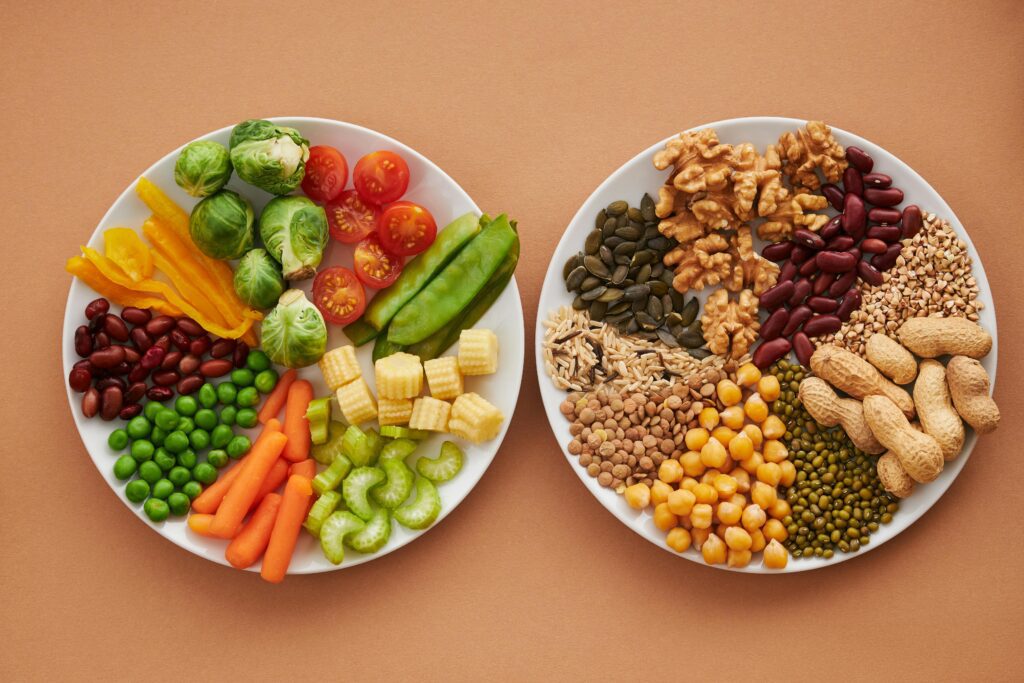
That means: Variety: Rotate legumes, dairy, soy, and grains to cover all amino acids.
Timing: Distribute your protein intake as uniformly as possible over the course of a day-about 20-25 grams per meal.
Quality: Focus on whole foods first; use plant-based protein powders only to fill in occasional gaps. Soon, as one sticks to it with consistency with nutrition and calisthenics, visible results within weeks will reveal themselves as stronger push-ups, deeper squats, and leaner definition.
Conclusion
Building Strength the Vegetarian Way Being vegetarian doesn’t mean compromising on muscle or strength. As a matter of fact, if planned mindfully and followed religiously, a plant-based diet can yield remarkably good results when it comes to bodyweight fitness.
Every repetition counts, every plank, and every push-up; however, every single bite of food does, too. This is where the actual progress is going to take place: when your training and nutrition come into play.
By addressing varied vegetarian protein sources for vegetarians such as lentils, chickpeas, tofu, quinoa, nuts, Greek yogurt, and paneer, you give your body all it needs to function at maximum capacity, both in performance and recovery.
Whether you are a total beginner at doing calisthenics or an intermediate athlete refining your strength, remember: progress is built upon patience, consistency, and wise choices. So fill your plate with colourfull, protein sources for vegetarians foods, keep moving with purpose, and let your results speak for themselves.
Your strength doesn’t come from what you eat alone; it’s a result of the commitment you have made to becoming your best self, one healthy meal and one workout at a time.
Pingback: 7 Powerful Beginner Home Workouts for Women for Strong Results (No Gym) -