
Table of Contents
Introduction
Mental well-being is just as crucial as physical health, but it is usually not prioritized. Mental illnesses such as Bipolar Disorder, anxiety, and obsessive-compulsive disorder (OCD) plague millions of individuals across the globe, leaving their day-to-day life, relationships, and professional life affected.
These conditions are not “bad moods” or “idiosyncrasies”; they are medical illnesses that need to be understood, treated, and managed proactively.
Bipolar Disorder is a disorder that is typified by severe mood swings, from times of high energy and euphoria to times of extreme depression.
Anxiety disorders are typified by excessive worry, nervousness, or fear, tending to interrupt daily life. OCD, however, is typified by repetitive thoughts (obsessions) and actions (compulsions) that individuals feel forced to execute.
To live with these disorders can be overwhelming, yet there are effective measures to contain them and regain mastery over one’s life.
In this article, we will examine 7 influential ways to cope with Bipolar Disorder, anxiety, and OCD difficulties, so you or your loved ones can overcome such problems while ensuring mental health.
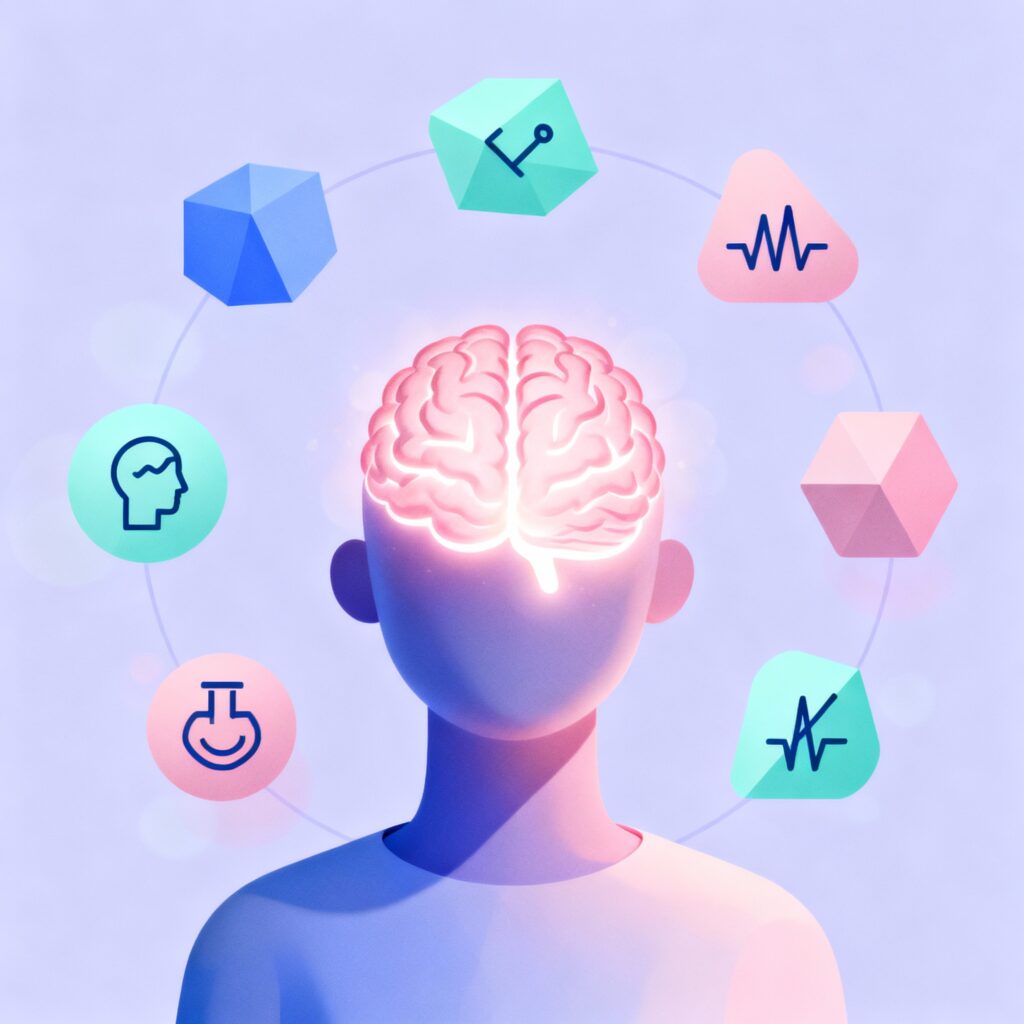
1. Understanding Bipolar Disorder, Anxiety & OCD
Before diving into management strategies, it is important to understand each condition. Knowledge is the first step toward effective coping.
1.1 What is Bipolar Disorder?
Bipolar Disorder is a mental health condition marked by extreme mood swings that include emotional highs (mania or hypomania) and lows (depression). These mood changes are more intense than the typical ups and downs everyone experiences.
Types of Bipolar Disorder:
- Bipolar I Disorder: Severe manic episodes with or without depressive episodes.
- Bipolar II Disorder: Less severe mania (hypomania) and severe depression.
- Cyclothymic Disorder: Milder mood swings for a more extended period.
Shared signs of Bipolar Disorder:
- Spells of elevated mood, heightened energy, or irritability.
- Depressive phases with sadness, lethargy, and loss of interest.
- Impulsive behaviors during manic phases, such as excessive spending or reckless behavior.
- Early treatment and diagnosis are important to avoid complications and enhance the quality of life.
1.2 Concept of Anxiety Disorder
Anxiety disorders are one of the most prevalent mental illnesses. They are characterized by excessive worry, fear, or nervousness that is disruptive in daily functioning.
Types of Anxiety Disorders:
- Generalized Anxiety Disorder (GAD): Long-standing, excessive worry about ordinary events.
- Panic Disorder: Acute and severe bursts of fear with physical symptoms such as palpitations.
- Social Anxiety Disorder: Dread of criticism or humiliation in front of others.
Symptoms are:
- Racing thoughts and persistent worry.
- Restlessness, irritability, and inability to focus.
- Physical symptoms or sleep disturbances such as sweating and palpitations.
- If left unchecked, anxiety can result in burnout, damaged relationships, and low productivity.
1.3 Understanding Obsessive-Compulsive Disorder (OCD)
OCD is marked by intrusive, unwanted thoughts (obsessions) and repetitive behaviors (compulsions). OCD individuals do these behaviors to ease anxiety, even if they realize the actions are irrational.
Examples of OCD behaviors:
- Excessive handwashing or cleaning.
- Repeated checking of locks, appliances, or doors.
- Counting, arranging, or repeating particular acts.
OCD tends to overlap with anxiety and can intensify mood swings in Bipolar Disorder, but it does not make management impossible.
1.4 Consequences if Untreated
Neglecting or procrastinating about Bipolar Disorder, anxiety, or OCD treatment has dire consequences:
- Conflicts in relationships and feelings of isolation.
- Poor performance at school or workplace.
- Risk of substance abuse and other mental illnesses.
- Deep depression, suicidal tendencies, or acting impulsively.
- Realizing the risks underscores why active management is a must for mental and physical health.

2 – 7 Effective Ways to Treat These Disorders
Treatment of Bipolar Disorder, anxiety, and OCD involves a multi-pronged strategy consisting of therapy, lifestyle modification, and self-knowledge. Below are 7 effective means of regaining control over such problems.
2.1 Seek Professional Assistance
Professional assistance is the foundation of treating Bipolar Disorder and other mental disorders. A mental health counselor can offer a proper diagnosis and develop a customized treatment plan.
Therapy and Counseling:
- Cognitive Behavioral Therapy (CBT): Assists in recognizing negative thought patterns and creating coping mechanisms.
- Dialectical Behavior Therapy (DBT): Successful for managing emotions and eliminating self-harmful behaviors.
- Exposure Therapy: Most helpful for OCD, allowing an individual to confront triggers slowly.
Mood stabilizers (such as lithium) for Bipolar Disorder.
Medication Management:
Anti-anxiety drugs for anxiety disorders.
SSRIs (selective serotonin reuptake inhibitors) for OCD.
Using therapy and medication together usually delivers the best outcomes. Periodic consultations and adherence to professional recommendations are imperative.
2.2 Practice Mindfulness & Meditation
Mindfulness and meditation are well-documented methods of minimizing stress and enhancing emotional equilibrium. For those with Bipolar Disorder, anxiety, or OCD, these exercises assist in stabilizing mood and lessening intrusive thoughts.
Easy Exercises:
- Deep Breathing: Breathe in slowly for 4 counts, hold for 4, breathe out for 4.
- Body Scan Meditation: Bring attention to each part of the body in order to release tension.
- Guided Meditation: Utilize apps or online sources for systematic mindfulness practice.
Daily practice can enhance attention, decrease impulsive behavior, and increase overall health.
2.3 Develop a Daily Schedule
Having a planned daily schedule is highly effective in managing Bipolar Disorder, anxiety, and OCD. Reliable schedules stabilize mood swings, alleviate stress, and enhance overall productivity.
Useful tips for an effective schedule:
- Regular Sleep Schedule: Sleeping and waking at the same time stabilizes mood.
- Exercise: Walking or yoga of even 20–30 minutes every day can enhance mental health.
- Work & Leisure Balance: Set aside dedicated time for work, leisure activities, and relaxation.
- Healthy Meal Times: Eating at regular intervals avoids low blood sugar levels that influence mood.
A routine is a stabilizing structure, allowing individuals to cope with impulsive actions during manic episodes of Bipolar Disorder and minimise anxiety or OCD compulsions.
2.4 Healthy Lifestyle & Diet
Healthy lifestyle is a complement to therapy and medication in the management of mental health. Physical and mental well-being are very interlinked.
Exercise
Regular exercise releases endorphins, which enhance mood.
Exercise such as yoga, swimming, or running can decrease anxiety and depressive attacks.
Nutrition:
Add omega-3 fatty acids (fish, walnuts) to maintain brain health.
Consume whole grains, lean proteins, and fresh fruits/vegetables.
Avoid caffeine, sugar, and alcohol, which may cause mood swings or anxiety.
Sleep & Hydration:
Better sleep decreases irritability and stabilizes mood.
Proper hydration enhances concentration and decreases fatigue.
A balanced way of life fortifies the body and mind so that coping with the difficulties of Bipolar Disorder, anxiety, and OCD is more manageable.
2.5 Cognitive Behavioral Techniques
Cognitive behavioral techniques (CBT) are effective tools to deal with negative thought patterns that are associated with mental illnesses.
How CBT works:
Identifies irrational or dangerous thoughts.
Confronts these thoughts with evidence-based argumentation.
Replaces negative thinking with constructive, positive thoughts.
For instance, an individual with Bipolar Disorder suffering from self-doubt during a depression phase may write down his or her accomplishments to combat self-negating thoughts.
Likewise, CBT lessens anxiety by helping individuals learn how to reframe catastrophic thoughts and challenge OCD cues in a safe environment.
2.6 Establish a Support System
The establishment of a strong support system is essential for mental health maintenance. Family members, friends, and support groups offer encouragement, understanding, and guidance.
Ways to establish support:
- Discuss experiences and challenges with trusted people.
- Participate in online or local support groups for individuals with Bipolar Disorder, anxiety, or OCD.
- Participate in community programs or therapy groups.
- Support systems alleviate loneliness, offer accountability, and make mental health management a less daunting journey.
2.7 Journaling & Self-Monitoring
Monitoring moods, triggers, and behaviors through journaling assists people in better managing Bipolar Disorder and associated conditions.
Advantages of journaling:
Self-awareness: Recognition of patterns in mood fluctuations or compulsions.
Early Intervention: Identifying warning signs prior to symptom amplification.
Progress Tracking: Monitoring progress with time to motivate.
Apps or old-fashioned notebooks can be utilized to log daily emotions, triggers, and coping mechanisms. Reading these records enables one to modify routines, therapies, or medications with the advice of experts.
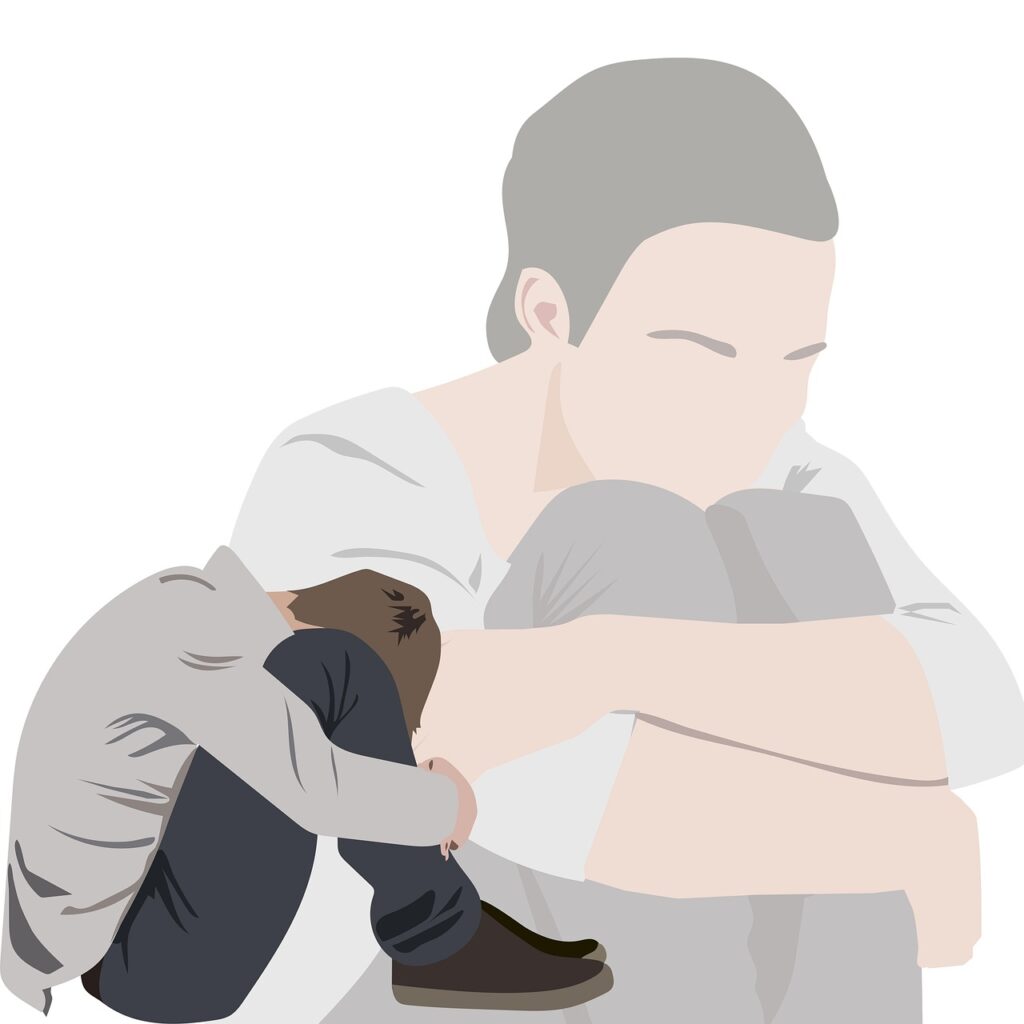
3. Coping with Difficulties & Setbacks
Managing Bipolar Disorder, anxiety, and OCD is an ongoing process. Setbacks are inevitable and should not deter anyone.
Strategies for coping with setbacks:
Acceptance: Realize that improvement is gradual and perfection is impossible.
Relaxation Techniques: Deep breathing, meditation, or yoga can help mitigate stress in challenging situations.
Reach Out: Call therapists, support groups, or loved ones when under pressure.
Patience and self-forgiveness are necessary. Acknowledge small triumphs and recall that every positive action leads to long-term mental health.
4. Success Stories & Real-Life Examples
Real-life stories can inspire and motivate hope for individuals who are living with mental health disorders:
Emma’s Story: Emma was diagnosed with bipolar disorder at the age of 22. She used a combination of therapy, medication, and routine. With time, she learned to monitor early symptoms of mania and depression, which enabled her to avoid major episodes.
Raj’s Journey: Raj, who lived with OCD and anxiety, began to journal every day and had sessions of CBT. By learning triggers and undergoing exposure therapy, he slowly decreased compulsive acts and regained social confidence.
Sofia’s Experience: Managing Bipolar Disorder and anxiety, Sofia integrated mindfulness, exercise, and a supportive social support network. She emphasizes that incremental change each day made a big impact on her mental well-being.
These examples illustrate how with ongoing effort, support, and professional guidance, mental health conditions can be managed.
5. Key Takeaways
- Bipolar Disorder, anxiety, and OCD can be handled using the proper strategies.
- Professional treatment, medication, and cognitive strategies are basics.
- Mindfulness, exercise, routine, diet, and journaling increase coping abilities.
- Developing a support system and exercising self-compassion are just as crucial.
- Small, steady efforts result in long-term mental health gains.
More Strategies to Control Bipolar Disorder, Anxiety & OCD
- Learn About Your Condition
- Understand symptoms, triggers, and treatments of Bipolar Disorder, anxiety, and OCD.
- Knowledge gives you power to make effective decisions and dispels fear of the unknown.
- Suggested sources: mental health websites, books, podcasts, and online courses.
- Avoid Stress and Triggers
- Discover personal triggers like sleep deprivation, high-stress environment, or certain social interactions.
- Use stress-management techniques like deep breathing, yoga, or progressive muscle relaxation.
- Create a calm environment at home to prevent mood swings or anxiety spikes.
- Practice Gratitude and Positive Thinking
- Keeping a gratitude journal can shift focus from negative thoughts to positive experiences.
- Encourages optimism and reduces depressive tendencies in Bipolar Disorder.
- Even noting 3 small things you’re thankful for daily can improve emotional resilience.
- Limit Screen Time and Social Media
Too much social media can exacerbate anxiety, induce OCD behaviors, or impact mood stability.
Establish boundaries: limit negative news or stressful material, and social media breaks.
- Relaxation and Breathing Exercises
- Exercises like 4-7-8 breathing, guided meditation, or listening to soothing music alleviate tension.
- Helpful during panic attacks or obsessive thinking in OCD.
- Minimizes physical symptoms such as fast heartbeat and rigid muscles.
- Creative or Therapeutic Pursuits
- Art, music, writing, or crafts may serve as an emotional outlet.
- Hobbies aid in distraction from intrusive thoughts and anxiety reduction.
- Promotes a sense of pride and increases self-esteem.
- Volunteer or Help Others
- Assisting others can enhance mood, decrease feelings of loneliness, and provide a sense of purpose.
- Community service or mentoring are activities that release positive social interactions.
- Set Realistic Goals
- Divide overwhelming tasks into small, manageable steps to avoid being overwhelmed.
- Goal setting provides purpose and structure, which is useful when experiencing depressive or anxious phases.
Acknowledge small successes to increase confidence.
- Leverage Technology as Support
- Emotional oscillation, triggers, and sleep patterns can be monitored by mood-tracking apps.
- Mindfulness exercises and reminders are offered by apps such as Calm, Headspace, or Moodfit.
- Explore Alternative Therapies (as needed)
Certain individuals can be relieved from stress through acupuncture, aromatherapy, or massage therapy.
Only use as a complement to professional treatment, not a replacement.
- Reduce Substance Use
Alcohol, nicotine, and recreational drugs can worsen mood swings and anxiety.
Maintaining sobriety helps stabilize emotions and improves therapy effectiveness.
- Practice Self-Compassion
Be kind to yourself during setbacks instead of self-criticism.
Understand that managing mental health is a gradual process.
- Build a Crisis Plan
Create a list of contacts to reach out to in emergencies (therapist, close family, helpline).
Have a list of coping skills prepared to deal with sudden mood swings, anxiety attacks, or OCD episodes.
- Monitor Sleep Habits
Poor sleep can lead to manic phases for Bipolar Disorder and exacerbate anxiety or OCD.
Apply sleep hygiene techniques: regular bedtime, no computer or phone 1 hour prior to bedtime, calming pre-sleep routine.
- Be a Voice for Mental Health Awareness
Participating in campaigns or creating awareness decreases stigma and gives a sense of belonging.
Talking about your own experiences can make others feel understood and supported.
Frequently Asked Questions (Q&A) About Bipolar Disorder, Anxiety & OCD
Q1: What is Bipolar Disorder?
A: Bipolar Disorder is a mental illness that produces rapid mood swings, from high-energy manic episodes to severe depression. During mania, people can become abnormally energetic, self-assured, or reckless.
In depression, they can become sad, hopeless, or lose interest in daily activities. Bipolar Disorder impacts day-to-day living, relationships, and employment if not appropriately treated. Early detection and treatment are key to minimizing complications.
Q2: In what ways is Bipolar Disorder distinct from ordinary mood swings?
A: Mood changes are common to everyone, but in Bipolar Disorder, the mood swings are extreme and persist for weeks or days. The highs and lows are so marked and interfere with life.
Mania or hypomania may induce spontaneity, but depressive episodes can hamper routine activities. Unlike ordinary mood swings, these mood changes need to be treated via therapy, medicine, and modifying one’s lifestyle.
Q3: Can Anxiety and OCD coexist with Bipolar Disorder?
A: Absolutely. People with Bipolar Disorder often suffer from anxiety disorders or OCD too. Anxiety exacerbates mood shifts, and OCD’s obsessive thoughts and urges raise stress levels and precipitate depressive or manic episodes.
Co-existing conditions need to be treated with a combination of therapy, medication, and lifestyle modifications. Recognizing overlaps is beneficial in improved symptom management.
Q4: What are some typical symptoms of anxiety?
A: Anxiety may manifest in persistent worry, restlessness, or tension. Some physical symptoms are an accelerated heartbeat, sweating, nausea, and insomnia.
Anxiety has the potential to make even regular tasks seem impossible and could escalate mood swings for people with Bipolar Disorder. The key to relief is learning coping mechanisms, exercising mindfulness, and consulting a professional.
Q5: What is OCD and how does it impact everyday life?
A: OCD, or Obsessive-Compulsive Disorder, is characterized by intrusive repetitive thoughts (obsessions) and behaviors (compulsions). Individuals with OCD might excessively wash their hands, excessively check things, or have rigid routines.
They do these things to decrease anxiety, but these actions disrupt daily life and relationships. OCD might co-occur with anxiety or Bipolar Disorder, complicating symptom management.
Q6: How can therapy be beneficial for Bipolar Disorder, anxiety, or OCD?
A: Therapy is an integral component of treating mental health disorders. Cognitive Behavioral Therapy (CBT) identifies and challenges negative thought patterns and teaches coping methods. Dialectical Behavior Therapy (DBT) enhances emotional control. Exposure therapy slowly diminishes OCD triggers. Therapy teaches symptom management tools, lessens stress, and enhances quality of life. Merging therapy with medication most often yields the best results.
Q7: Can lifestyle changes improve mental health?
A: Yes. Healthy behaviors such as exercise, balanced eating, regular sleep routine, and stress control can level the mood, diminish anxiety, and manage OCD symptoms. Mindfulness, journaling, and sticking to routines also promote mental wellness.
Although lifestyle modifications are not a substitute for professional treatment, they make therapy and medication more effective for Bipolar Disorder and other disorders.
Q8: How does mindfulness help in managing these disorders?
A: Mindfulness makes one learn to be in the present moment without judgment. It decreases stress, enhances emotional regulation, and diminishes obsessive thinking. In individuals with Bipolar Disorder, mindfulness can identify early warning signs of mood shifts.
In anxiety and OCD, it helps have greater control over intrusive thoughts. Mindfulness practice regularly can enhance overall mental health.
Q9: What is the role played by family and friends’ support?
A: A solid support network is crucial. Family, friends, and support groups offer emotional support, compassion, and encouragement.
Sharing the battle eliminates feelings of solitude, and loved ones can facilitate observing early warning signs of mood shifts or OCD symptoms. Support networks heighten coping strategies and increase treatment adherence.
Q10: Is journaling useful in managing Bipolar Disorder, anxiety, or OCD?
A: Yes. Journaling allows individuals to track moods, triggers, and compulsive behaviors. Recording emotions daily helps recognize patterns and early signs of manic or depressive episodes.
It also supports therapy by providing insight into thoughts and feelings. Apps or notebooks can be used, and reflecting on progress encourages motivation and self-awareness.
Q11: Are medications necessary for managing Bipolar Disorder?
A: Medications are usually necessary, particularly for managing extreme mood changes. Mood stabilizers, antipsychotics, and antidepressants may decrease the frequency and severity of episodes. Anti-anxiety medication and SSRIs are common for anxiety and OCD.
Medication is most successful when paired with therapy and lifestyle changes. Always get professional mental health advice before beginning or altering medication.
Q12: Is recovery from these disorders possible?
A: Yes. Recovery does not necessarily equate to the condition vanishing but stability being achieved, symptoms being controlled, and living a quality life.
With professional assistance, regular therapy, modification of lifestyle, support, and self-awareness, patients with Bipolar Disorder, anxiety, or OCD can live useful and meaningful lives. Patience, persistence, and baby steps every day are the answers.

Conclusion
It is tough to manage Bipolar Disorder, anxiety, and OCD, but hope and recovery are never out of the question. By making use of professional treatment, lifestyle modification, mindfulness, and support networks, one can take back control of life and enhance mental health.
Keep in mind that the path to mental health is different for all people. Do it one step at a time, be kind to yourself, and rejoice in your successes. If you or someone you know is having trouble with these conditions, get help today, begin slowly, and utilize the strategies outlined in this post.