
Table of Contents
Introduction
People blame motivation, routine, or genetics for weak workouts. But the truth is simple-if your muscles aren’t fed properly, no routine will save you. Strength doesn’t come from your enthusiasm; it comes from consistent protein intake.
And for vegetarians, this becomes even more critical because the usual go-to animal sources aren’t part of the diet.
This is where vegetarian protein foods change everything. Vegetarians aren’t limited, they’re just uninformed. Once you understand how to use the right vegetarian protein sources, you can build muscle as effectively as any non-vegetarian lifter. The problem isn’t the diet, the problem is poor planning.
In this blog, you will learn about the 7 most powerful vegetarian protein foods that can actually upgrade strength, muscle recovery, and workout performance. No fluff items, no “spinach has protein” nonsense-just practical, high-protein vegetarian foods that actually move the needle.
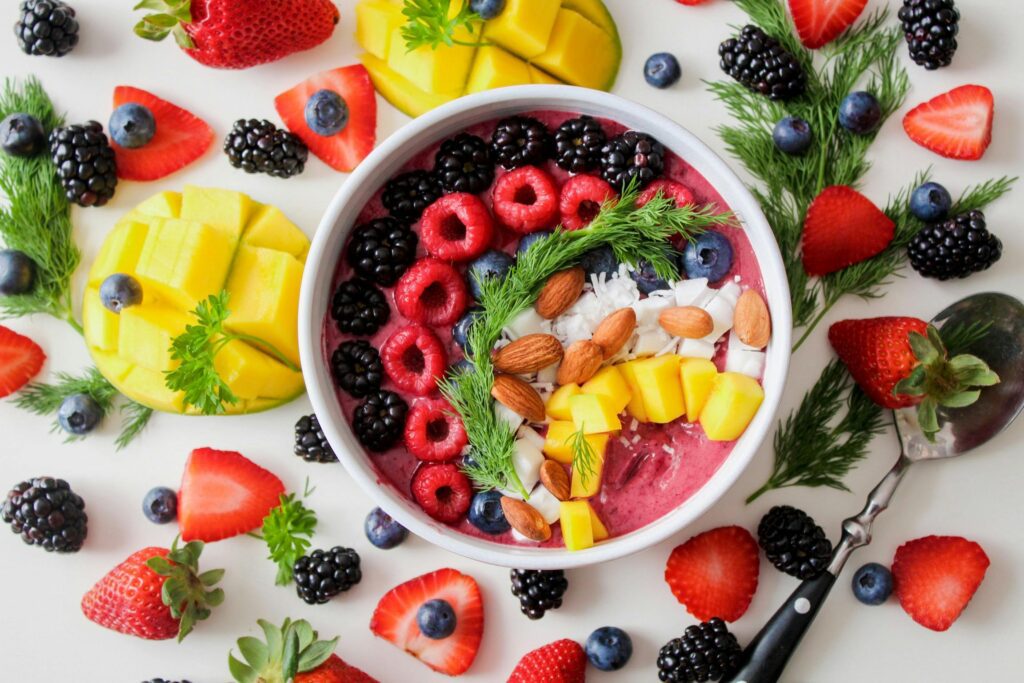
What Makes Vegetarian Protein Foods Effective for Muscle Gains?
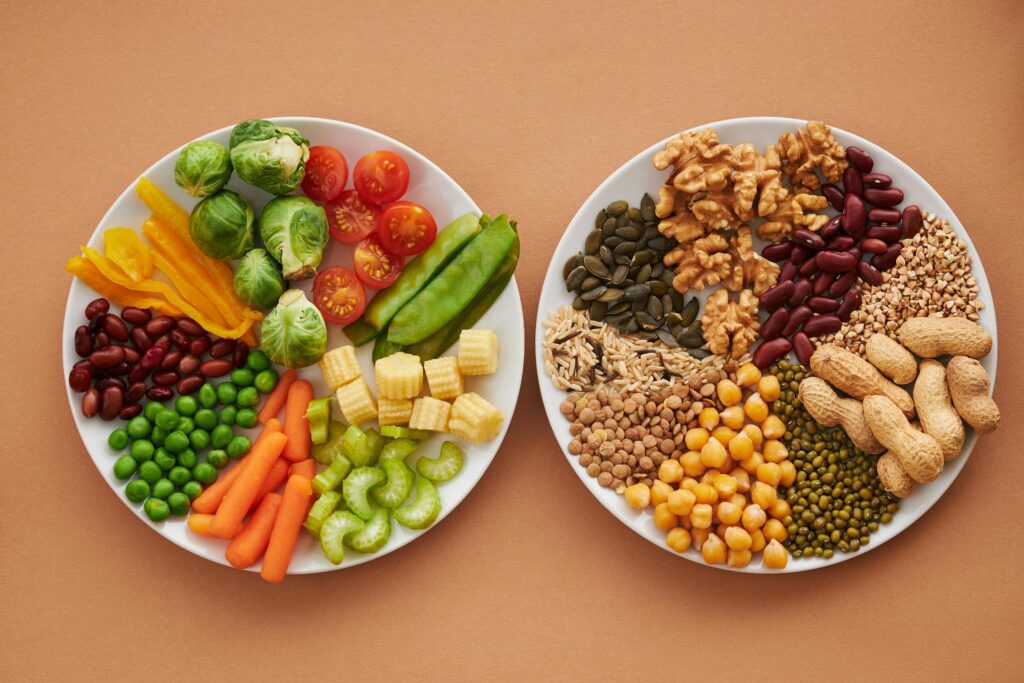
Many vegetarians get protein accidentally, rather than on purpose. Just because you’re eating “healthy” doesn’t mean you’re getting enough protein. You need foods high in amino acids-especially the ones that your body can’t make for itself.
Here’s why vegetarian protein foods work extremely well when selected correctly:
- You can build complete protein profiles through combinations.
Most plant proteins lack one or two essential amino acids. You fix that by combining foods like:
Lentils + rice
Chickpeas + wheat
Soy + vegetables
Quinoa + beans
Simple combinations transform incomplete proteins into a full muscle-building profile.
- They digest slower
Slow digestion = longer amino acid release = longer muscle repair period. That’s why vegetarians often recover better between workouts when they plan correctly.
- They supply fiber, vitamins, and micronutrients besides providing protein
Unlike many animal foods, vegetarian protein foods give:
Better digestion
Improved energy
Stable blood sugar
Higher natural satiety
All of which support fat loss and muscle gain simultaneously.
- They prevent the “post-workout crash”
Plant-based proteins don’t hit your stomach like a brick. Your energy remains stable, helping you sustain strength rather than burning out sooner.
Basically, the issue isn’t that vegetarian protein foods are weak, it’s that most people don’t know which ones actually count.
And now we come to the seven that count.
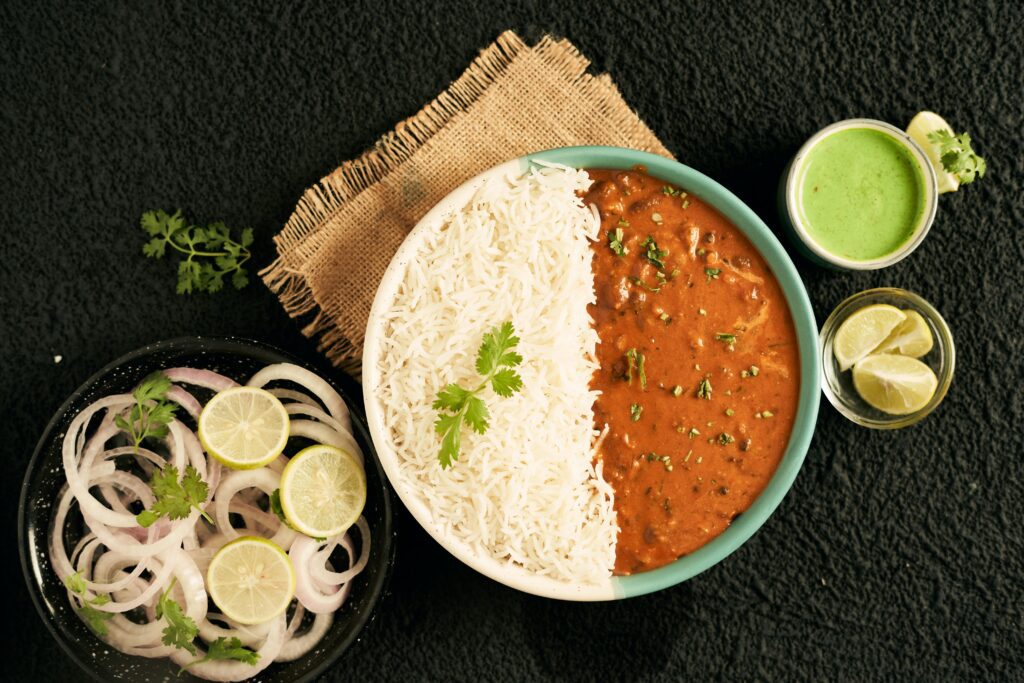
Food 1: Lentils — Most Underappreciated Muscle-Building Weapon
Lentils are only boring for those who do not understand nutrition. Any person who is serious about the growth of muscles knows that lentils are a powerhouse. They pack 9g of protein per 100g cooked and deliver one of the richest amino acid profiles among vegetarian protein foods.
Why lentils should be your everyday base
High protein density
Excellent fiber
Iron-rich: prevents fatigue during workouts.
Extremely cheap and easy to prepare
Works for both weight gain and fat loss
Most lifters don’t eat lentils because they associate them with “simple home food.” That’s stupidity. Athletes from all over the world eat lentils daily because they outperform many expensive supplements.
How to Add Lentils Effectively
Lentil soup after workouts
Dal + rice for a complete protein
Sprouted lentils in salads
Lentil khichdi for high-volume meals
If you’re struggling with stamina or muscle recovery, lentils are your quickest fix.
Food 2: Chickpeas — Slow-Digesting, High-Protein Strength Booster
Chickpeas, or chole, provide 19g protein per 100g cooked-and more importantly, they digest slowly to provide steady energy over a number of hours. This makes them ideal for anyone who trains hard or who gets tired quickly during workouts.
Benefits that truly matter
Slow-release protein prevents muscle breakdown.
High fiber improves digestion.
Loaded with magnesium for muscle contraction & performance
Versatile – you can cook them, roast them or grind into hummus.
Chickpeas are one of the most reliable vegetarian protein foods because they fit into nearly every meal style without effort.
How to Include Chickpeas
Roasted chana as snacks
Hummus with veggies
Boiled chole in salads
Chana masala with brown rice
If you experience mid-workout energy drops, chickpeas solve that pretty fast.
Food 3: Greek Yogurt — High-Protein, High-Absorption Fuel
Greek yogurt provides 10g of protein per 100g, and as it contains both whey and casein, your body absorbs it in phases. Whey gives quick repair, and casein gives long-duration repair. This dual effect makes Greek yogurt a top-tier choice for vegetarians.
Why Greek yogurt scores over normal curd
Pressing removes water and increases protein density.
Higher calcium supports muscle contraction
Reduced sugar
Provides probiotics for gut health
Improves nutrient absorption from other foods
This is one of the most bioavailable vegetarian protein foods-your body utilizes the protein efficiently without waste.
Best times to eat it
Post-exercise
Breakfast Evening snack If you’re lactose sensitive, go for lactose-free or plant-based Greek yogurt options.
Food 4: Paneer — Fast Muscle Repair Protein
Paneer is one of the most effective vegetarian sources of protein in the Indian diet, with 18g protein for every 100g. It’s dense, versatile, and highly anabolic — meaning it helps your muscles recover fast after heavy training.
Why paneer works better than most vegetarian sources
High leucine content, the exact amino acid responsible for stimulating muscle growth.
Slow digestion keeps you full longer
Calcium and fat support joint health and hormone balance
Works for bulking, cutting, and lean muscle phases
Most people make the mistake of frying paneer or soaking it in oil-heavy gravies. That kills the purpose. Paneer works best when cooked lightly so the protein structure remains intact.
Smart ways to add paneer
Paneer bhurji with whole wheat roti
Grilled paneer cubes as a workout snack
Paneer salad bowl with veggies
Cottage cheese sandwiches for quick meals
Paneer is also one of the easiest vegetarian protein foods to prepare. No excuses — if you’re skipping protein, it’s poor planning, not lack of options.
Food 5: Soybeans & Tofu – The Most Complete Plant-Based Protein
Soybeans contain 28-35g of protein per 100g, representing the strongest natural plant-based protein source out there. Tofu, which is prepared from soy milk, contains about 8g per 100g, which again is reliable because of the completeness of its amino acid profile.
This category comprises one of the very few vegetarian protein foods that contain all nine amino acids, just like animal protein.
Stop believing myths — soy doesn’t ruin hormones
The “soy causes estrogen increase” myth comes from misuse and misinformation. The reality:
Affect hormones only in very high amounts.
Regular consumption (50-100g/day) is safe
Athletes around the world consume soy every day.
Studies consistently show no harmful hormonal effects.
People generally complain about soy-those who consume junk diets and want to blame one ingredient for their problems.
Why soybeans & tofu should be in your weekly routine
- Extremely high protein concentration
- Rich in iron, magnesium, and calcium
- Assists in building lean muscle without fat increase.
- Easy to cook in dozens of forms
- Best ways to include soy
- Boiled soy chunks
- Stir fry with tofu.
- Soy curry
- Soy granules mixed in roti dough
- Air-fried soy snacks
If you’re pushing heavy in the gym, or aiming for body recomposition, soy needs to be a part of your vegetarian intake of protein foods.
Food 6: Quinoa – Rare Plant-Based Complete Protein
Quinoa is an elite grain because it contains all essential amino acids and provides close to 4-5g of protein per 100g cooked. The amount of protein is not very high, but the quality of protein is what makes quinoa a valuable food.
What makes quinoa special?
Complete protein source
High levels of magnesium support muscle function.
Rich in fiber → better digestion
Helps maintain stable energy levels during exercise
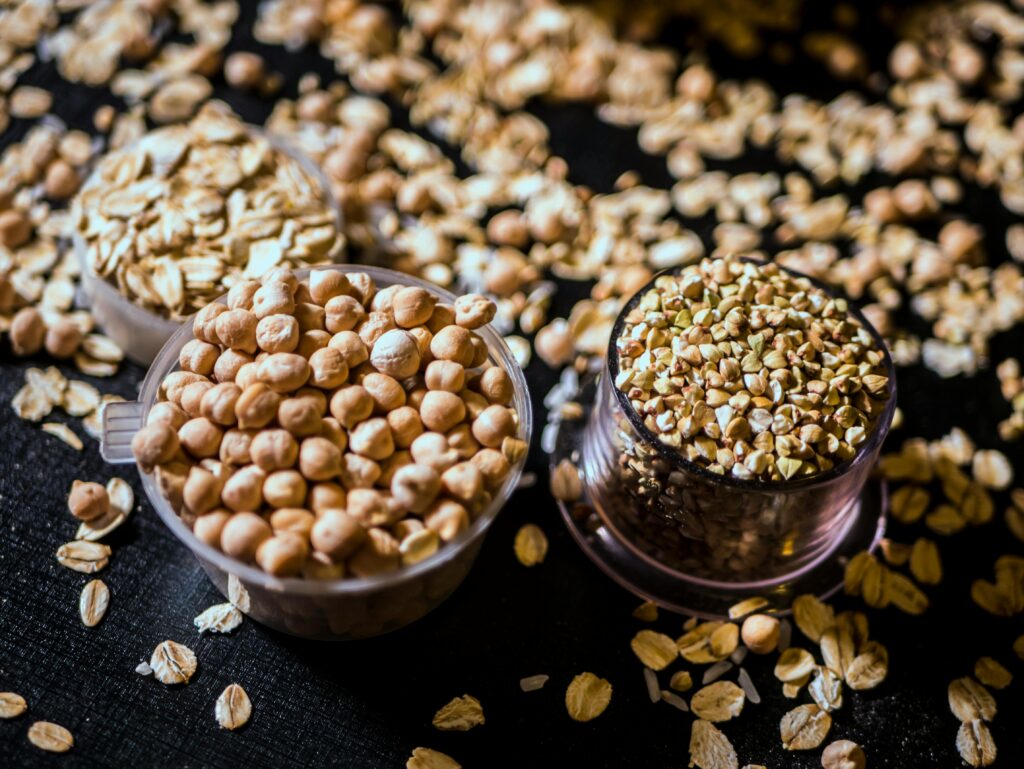
Quinoa gives you a clean carb-protein balance, so you get long-lasting fuel without overeating. If your workouts feel weak, inconsistent, or low-energy, quinoa can stabilize your performance.
Best ways to include quinoa
Quinoa salad with chickpeas
Quinoa bowl with tofu
Quinoa khichdi
Quinoa instead of rice for more muscle-oriented meals
Most vegetarians overlook quinoa simply because they’re stuck on repetitive Indian staples. However, if you actually want to optimize your diet, start incorporating different vegetarian protein foods into your meal rotation to get a stronger range of amino acids.
Food 7: Almonds & Peanut Butter — High-Protein Snack Options
They are not replacement meals, but rather gap fillers for your daily intake of proteins. Almonds provide 21g of protein per 100g, while peanut butter delivers approximately 25g per 100g.
Why these snacks matter for muscle progress
One of the easiest ways to increase daily protein
Rich in healthy fats → better hormone balance
Improve recovery and muscle density
Reduce cravings and overeating
Replace random junk snacks between meals with high-protein vegetarian foods like nuts and peanut butter if you are one of those people; that way, nutrition gaps are fixed in an instant.
Smart ways to consume almonds & peanut butter
A few almonds between meals
Peanut butter with banana or toast
Almond butter smoothies
Peanut butter with oats post-workout
Just keep the quantity controlled. Nuts are calorie-dense – too much will push you into a surplus sooner than you may think.
How to Combine Vegetarian Protein Foods for Maximum Results
If you want to get serious about building muscle, recovery, or powering up your workouts, it’s time to stop eating protein randomly. Your body grows when each meal contains at least a moderate amount of protein.
Here’s how you combine vegetarian protein foods to create complete, efficient meals:
- Lentils + Rice
Complete protein combination.
Great for lunch or dinner.
- Paneer + Multigrain Roti
Gives slow-digesting protein and complex carbs.
Ideal for lean muscle building.
- Chickpeas + Quinoa
Wholesome food with long-lasting energy.
Excellent pre-workout or mid-day meal.
- Tofu + Vegetables
High protein, high micronutrients.
Best for recovery.
- Greek Yogurt + Almonds
Fast and slow protein together.
Great for evenings or post-workout.
Daily Protein Goals for Vegetarians
You’re not chasing random numbers; you’re chasing results. Here’s a realistic target:Beginners: 50–70g protein/day
Intermediate lifters: 70–100g/day
Heavy training athletes: 100–140g/day
You can easily reach these numbers once you actually plan your meals and incorporate these vegetarian protein foods into your diet consistently.
Common Mistakes People Make With Vegetarian Protein Foods
- Eating too many carbs and calling it a “veg diet”
Most vegetarians overload on rice, roti, potatoes and sugar.
Zero protein = weak workouts.
Simple.
- Assuming milk alone gives enough protein
Regular milk is low in protein.
You’d need preposterous quantities to meet the daily mark.
- Not accounting for protein intake
Guessing does not work-measure, plan, adjust.
- Thinking protein shakes are mandatory
You can hit 100g naturally with planned vegetarian protein foods.
Shakes are optional, but not necessary.
- Eating the same food every day
Repetition leads to nutritional imbalance.
Rotate your protein sources.
How to Build a High-Protein Vegetarian Diet That Actually Works
Most vegetarians think they’re eating enough protein just because their meals look heavy or filling. That’s a flawed assumption. True protein planning means every meal contributes a meaningful amount toward your daily target. If you don’t treat your intake strategically, you will stay stuck with slow progress, weak workouts, and inconsistent recovery.
A solid high-protein vegetarian diet requires three things:
- Distribution of protein across the day
Dumping all of your protein into one meal is useless. Your body can only use so much at a time to help in muscle repair. Spread your protein intake:
- Breakfast
- Mid-meal
- Lunch
- Evening snack
- Dinner
This spacing gives your muscles a steady supply of amino acids.
- Combination of various vegetarian protein foods
You can’t count on one food only, as every source has its strengths and weaknesses. You need a rotation of lentils, chickpeas, soy, paneer, yogurt, nuts, quinoa, and tofu. That’s how you build a complete amino acid structure without eating eggs or meat.
- Consistency over intensity
Eating well for two days, then returning to poor meals, will destroy progress. Building muscle on vegetarian protein foods requires discipline, not occasional effort.
Sample Vegetarian High-Protein Meal Plan (Simple but Effective)
Morning (Breakfast)
Greek yogurt + almonds
Or paneer sandwich
Or peanut butter toast with banana
All three options instantly add high-quality protein to your day.
Mid-Morning Snack
Roasted chana
Or fruit + handful of nuts
Or a small quinoa salad
Lunch
Lentils + rice (complete protein combination)
Mixed vegetable sabzi
Salad with lemon
Evening Snack
Peanut butter oats
Or tofu stir fry
Or Greek yogurt bowl
Dinner
Chickpea curry + multigrain roti
Or paneer bhurji + vegetables
Or tofu + quinoa bowl
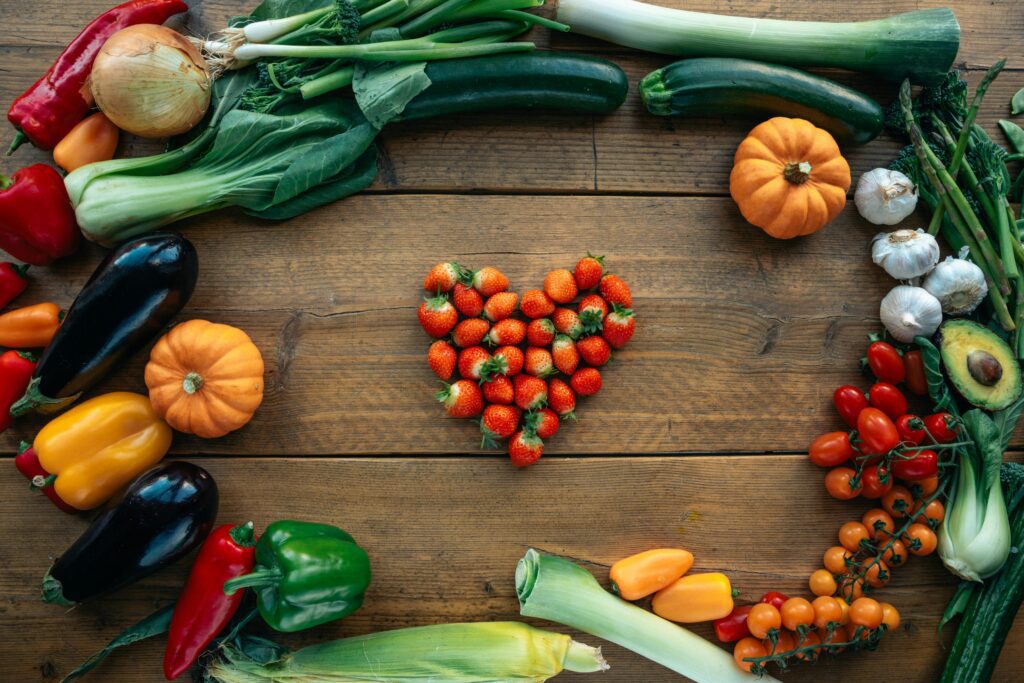
This ensures that your whole day has strong, reliable vegetarian protein food intake without over-complicating meals.
Signs Your Protein Intake Is Too Low That Most People Ignore
- You still feel tired even after rest
Low protein equals poor muscle repair.
- Your workouts feel weak and inconsistent
Protein fuels muscle contraction and recovery. Without enough, performance drops.
- You lose strength during training
If you lift weights but aren’t getting any stronger, the problem is your protein intake.
- Slow fat loss even with workouts
Protein boosts metabolism. On low-protein diets, everything slows down.
- Constant cravings
High protein meals stabilize appetite. If you keep snacking, your diet is protein-deficient.
- You never see visible muscle tone
The problem’s not vegetarian diets; it’s poorly planned vegetarian protein foods.
Signs Your Protein Intake Is Finally Correct
You’ll start to notice changes rather quickly once you begin to consume the right sources of protein.
- More strength in workouts
Your reps go up. Your form gets better.
- Faster Recovery
Soreness decreases in 1–2 days instead of 3–4.
- Visible muscle tone
Arms, shoulders, and legs start looking firm.
- Improved energy levels throughout the day
Fewer crashes, better focus.
- Stable appetite and reduced cravings
Protein keeps you fuller longer.
Frequently Asked Questions (FAQs)
Q1: Can vegetarians build muscle as quickly as non-vegetarians?
Yes, of course. If you are using good vegetarian protein foods, you are hitting your daily target, and you are training right, you will grow at the same pace. Those people who struggle are those who eat mostly carbs and call it a vegetarian diet.
Q2: Are protein powders necessary?
No, helpful but not necessary.
You can hit 70–120g protein/day using only vegetarian protein foods if you plan properly. Supplements are just shortcuts, not requirements.
Q3: What is the best vegetarian protein food overall?
Soybeans.
Contains the highest protein concentration and a complete amino acid profile.
But it is dumb to rely on just one food; rotate your sources.
Q4: Does eating too much protein damage the kidneys?
Not unless you already have a medical condition.
It is safe for normal, healthy individuals to consume high amounts of proteins.
Q5: How much protein should I eat in a day?
Normal lifestyle: 50–70g
Active exercise routine: 70–100g
Heavy weight training: 100–140g
Distribute your protein throughout the day; don’t dump it in at one meal.
Q6: What if I can’t digest some vegetarian protein foods?
Try alternatives:
If lentils bloat you → switch to moong dal If milk bothers you → use Greek yogurt or lactose-free options If chickpeas feel heavy → use hummus instead. If soy feels tough to digest → try tofu } There’s always an alternative; excuses don’t help your progress.
Conclusion:
Stop Underestimating Vegetarian Protein Foods Vegetarians are not short on options, they are short on awareness and self-discipline. The foods exist, the protein is there, and so is the science. What you choose to do with it determines your results..
Here’s the truth you’ve probably avoided: Your workouts aren’t weak because your routine is bad; they’re weak because your diet is incomplete. Start building strength the smart way: Use lentils daily. Add chickpeas frequently. Rotate tofu, paneer, and Greek yogurt Keep quinoa and nuts as support foods Plan your meals Record your consumption.
This is how vegetarians actually level up strength, stamina, and muscle growth without faking that they need chicken, eggs, or supplements to compete. You now have a full breakdown of the best vegetarian protein foods and a full guide to structure your diet for better performance. If you actually apply this, and not only read it, then your workouts will stop feeling weak and your progress will finally make sense.